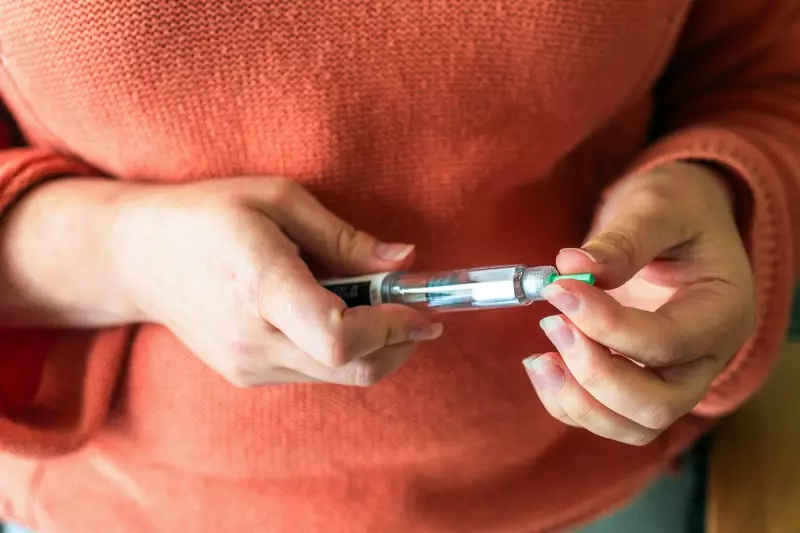
At least 1.6 million adults in Britain used prescription weight loss injections over the past year, according to significant new research. The study also reveals that a substantial proportion turned to medications not officially licensed for weight management, raising serious concerns among health professionals.
Off-Label Use and Safety Warnings
Researchers from University College London discovered that approximately one in seven users took drugs prescribed for other conditions to lose weight. This practice, known as 'off-label' use, includes medications like Rybelsus (semaglutide), which is primarily for type 2 diabetes.
Medical experts have issued strong warnings about the potential dangers of using these powerful drugs without proper clinical oversight. Severe side effects or even overdose are significant risks when treatments are not monitored by a doctor. The trend highlights a gap where individuals are seeking solutions outside of formal healthcare channels.

High Demand and Barriers to Access
The demand for pharmaceutical weight loss aids shows no sign of slowing. The same research indicates that around 3.3 million people in the UK are interested in trying these drugs within the next twelve months.
However, this growing demand clashes with issues of equitable access. While some injections, such as Mounjaro (tirzepatide), are available through the NHS, strict eligibility criteria and high costs are creating barriers. Many people find themselves unable to qualify for NHS prescriptions or afford private clinic fees, pushing them towards unregulated online sources or alternative suppliers.
The Consequences of Unsupervised Treatment
The situation creates a dual problem: a public health risk from unsupervised drug use and a deepening of health inequalities. Experts stress that adequate monitoring of treatment is crucial for safety, something absent when drugs are sourced privately or online.
The findings, reported on Friday 9 January 2026, underscore a pressing need for clearer guidelines and safer pathways for weight management support. As Rebecca Whittaker of the Independent Bulletin highlighted, the conversation is shifting towards how the healthcare system can responsibly meet this surge in demand while protecting patient safety.