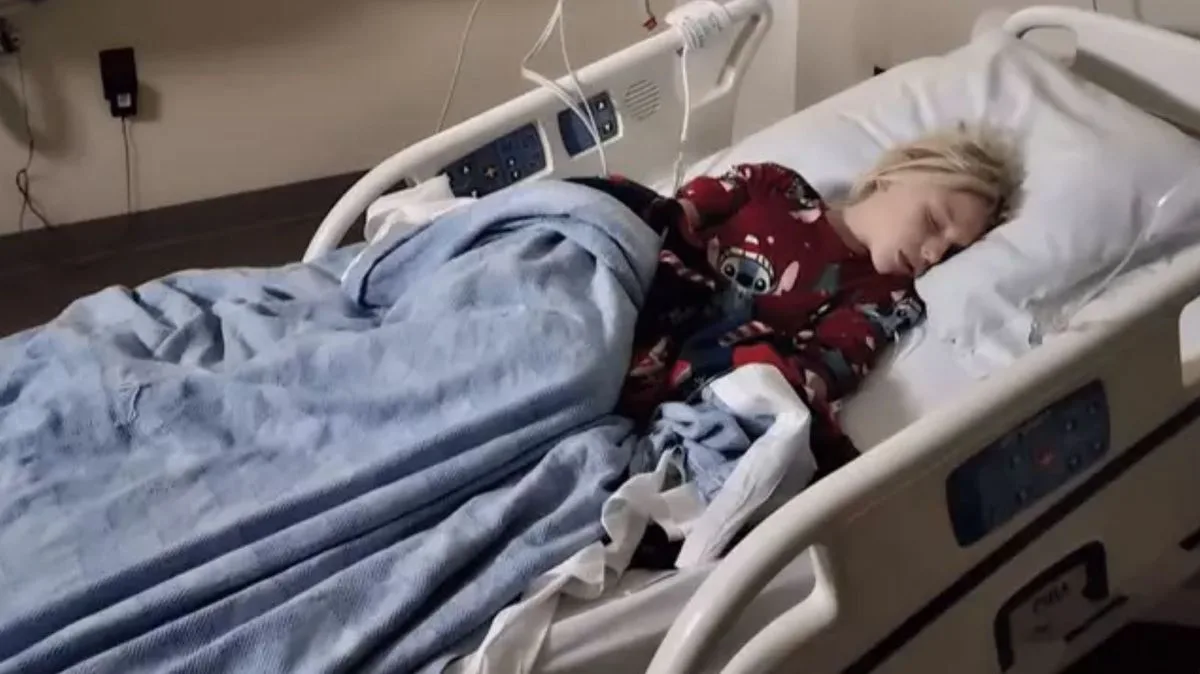
A seven-year-old girl faced a life-threatening medical emergency after accidentally injecting herself with her mother's weight loss medication, mistaking the powerful drug for ordinary stomach medicine. The incident has highlighted critical dangers surrounding the storage of prescription medications in homes with young children.
"I Thought It Was Stomach Medicine"
Jessa Milender, now eight years old, administered approximately 60 percent of a prefilled GLP-1 injector pen to herself during a December 2024 incident at her family home. The medication, more commonly known under brand names like Ozempic or Mounjaro, is primarily prescribed for Type 2 diabetes management and weight loss assistance in adults.
"I thought it was stomach medicine," Jessa explained to local news outlet WHAS-11. "My mum takes it and I thought it helped her with her stomachaches." This innocent misunderstanding led to a harrowing ordeal that would see the young girl hospitalised with severe, potentially fatal symptoms.
Rapid Deterioration and Hospital Admission
Upon discovering what had happened, Jessa's mother Melissa immediately contacted poison control services before rushing her daughter to hospital. Initial symptoms presented as dehydration and persistent vomiting, but medical staff quickly recognised the seriousness of the situation.
GLP-1 medications function by mimicking the body's natural hormones to suppress appetite and increase feelings of fullness. While effective for their intended purposes, they can produce significant side effects including severe nausea, vomiting, and diarrhoea - symptoms that manifested dramatically in Jessa's small body.
"We Weren't Prepared for How Bad It Was Going to Get"
Melissa admitted the family underestimated the severity of the situation initially. "I don't think we were prepared for how bad it was gonna get," she told reporters. After Jessa's symptoms appeared to improve, she was discharged from hospital, only for the vomiting to return violently once she was home.
"I should have never let them discharge her," Melissa revealed, describing how her daughter became so weak she needed carrying to the bathroom. "She was thirsty. That's the only thing that she wanted to do was drink water, but then she would throw it up."
Critical Kidney Concerns and Lifeless State
With Jessa's condition worsening, she was readmitted to hospital where she "didn't eat for six days straight." Medical records reportedly indicated serious concerns about renal function, including potential kidney shutdown as she had stopped urinating completely.
"We as a family gathered around her," Melissa recounted, "because she was just laying there like lifeless really." At this point, the family believed there was a genuine risk to Jessa's life, with Melissa stating they were "100 percent" worried about her survival.
Recovery and New Safety Measures
Thankfully, Jessa eventually made a full recovery after intensive medical care. The experience prompted immediate changes in how the family stores medications, with Melissa obtaining a locked box for the weight loss injections on the same day as the overdose incident.
"I try not to think about the what if," Melissa reflected. "God protected us from the worst and I firmly believe that." The family's story serves as a stark warning to other households about the importance of secure medication storage, particularly with increasingly common weight loss treatments that may resemble other medical devices to curious children.
Parallel Incident Highlights Broader Child Safety Concerns
This alarming case follows another recent incident where a twelve-year-old boy required hospital treatment after consuming excessive amounts of caffeine through chewing gum. Oliver Wood purchased four packs of Tyson Fury-branded "Furocity" caffeine gum from Farmfoods, mistakenly believing it to be conventional chewing gum.
He unknowingly consumed over 2,000mg of caffeine within 24 hours - equivalent to approximately twenty cups of coffee or twenty-five cans of Red Bull energy drink. After experiencing chest pains and feeling "shaky and jittery," he was taken to hospital by ambulance where monitoring continued until his heart rate stabilised.
Oliver's mother, Anne-Marie Willis, expressed concern about the lack of legislation governing the sale of high-caffeine products to minors. "There's no legislation around selling caffeine products to minors," she noted, "when one tub of those contains as much caffeine as 23 Red Bulls. You wouldn't sell a 12-year-old 23 Red Bulls, would you?"
While the UK government has proposed banning the sale of high-caffeine energy drinks to children under sixteen as part of a ten-year health plan, no specific laws currently prohibit the sale of caffeine products to minors, creating potential safety gaps that concern both medical professionals and parents.




