

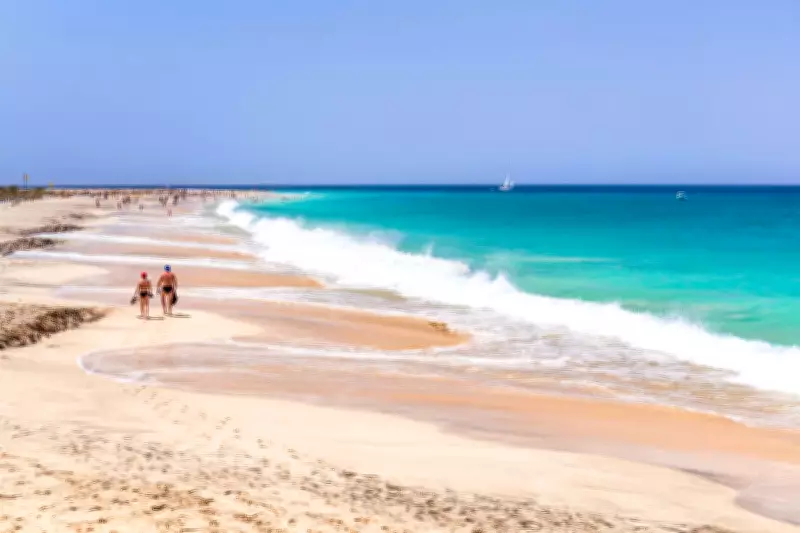
Health and safety concerns are mounting in Cape Verde following the tragic deaths of four British holidaymakers from severe gastric illness, alongside a significant increase in Shigella infections among travellers returning from the islands. The UK Health Security Agency (UKHSA) has launched an investigation into a rise in cases of Shigella sonnei, a bacterial infection that causes debilitating symptoms.
Understanding the Shigella Outbreak and Its Impact
Since October 2025, there have been 137 confirmed cases of Shigella infection in the UK, with a staggering 109 of these directly linked to travel to Cape Verde. This cluster of cases has prompted urgent warnings from health authorities and travel experts. Shigella bacteria are known to cause severe diarrhoea, high fever, and intense stomach cramps, often leading to dehydration and requiring medical intervention.
How Shigella Spreads and Why It's a Concern
The infection typically spreads through contact with contaminated faeces, which can occur via contaminated food, water, or poor hygiene practices. In holiday destinations like Cape Verde, where sanitation standards may vary, the risk of exposure increases, particularly for tourists unfamiliar with local conditions.

Essential Medical Advice for Travellers to Cape Verde
A travel medical specialist has issued crucial guidance for anyone planning a trip to the region. Key recommendations include:
- Practising rigorous personal hygiene, such as frequent handwashing with soap and water or using alcohol-based sanitisers.
- Consuming only freshly cooked food that is served hot, and avoiding raw or undercooked items.
- Carrying oral rehydration solutions to manage dehydration if symptoms develop.
- Considering a pre-travel consultation with a GP to discuss potentially carrying antibiotics, which may be prescribed for severe cases.
Foreign Office Warnings and Insurance Considerations
The Foreign, Commonwealth & Development Office has emphasised the importance of comprehensive travel insurance for visits to Cape Verde. This is due to the basic nature of medical facilities on the islands, which may not be equipped to handle complex cases. Notably, the Global Health Insurance Card (GHIC) is not accepted in Cape Verde, leaving travellers without adequate coverage if they rely solely on this document.
Authorities continue to monitor the situation closely, urging holidaymakers to stay informed and take proactive steps to protect their health while abroad.






