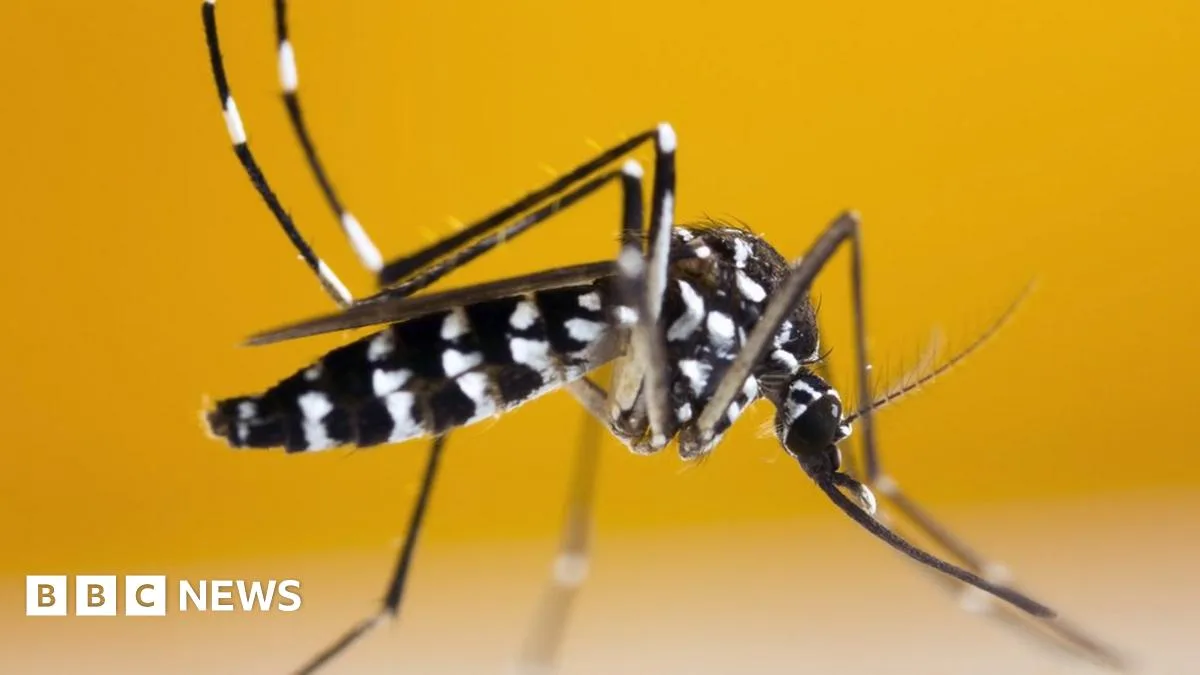
The UK could see mosquitoes capable of spreading dengue fever, chikungunya and Zika virus become established in parts of the country by the 2040s and 2050s, according to a worst-case scenario report from the UK Health Security Agency (UKHSA). The report, involving 90 experts, warns that high emissions and a temperature rise of 4°C by 2100 could lead to regular cases of dengue in London by 2060.
The Asian tiger mosquito, or Aedes albopictus, is the primary concern. While it only carries viruses after biting infected people, England would be the first UK nation affected, with Wales, Northern Ireland and parts of the Scottish Lowlands becoming suitable habitats later in the century. Similar mosquitoes have already caused dengue in France and chikungunya in Italy.
Under the high-warming scenario, the report projects up to 10,000 excess heat-related deaths per year by the 2050s, alongside cold-related deaths, particularly among the elderly. It also warns of impacts on fruit and vegetable supplies due to extreme weather in exporting countries, and significant effects on mental health, especially for young people.
However, steep cuts to greenhouse gas emissions could avert many of these risks. Slower warming would delay the threats by decades or beyond this century, though once mosquitoes establish, their presence is largely irreversible. UKHSA already has surveillance systems, including traps at borders, and advises measures like covering water containers to prevent breeding.
Experts stress that targeted interventions, such as heat-alert systems, improved flood defences, and energy efficiency in care homes, can mitigate risks. The report highlights that the worst effects will fall on vulnerable groups, including older people, those with medical conditions, and children in deprived areas.