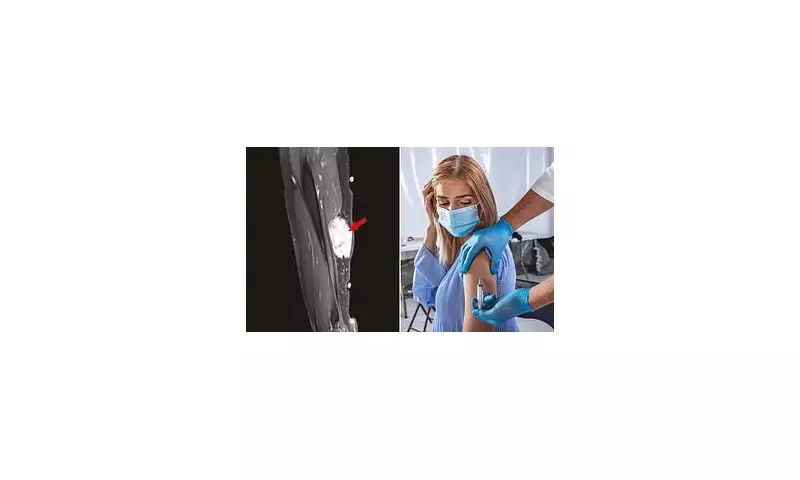
A significant global medical review, which documented hundreds of reported cases of cancer emerging or worsening shortly after Covid-19 vaccination, has been caught up in a major cyberattack that has taken the publishing journal's website offline.
Key Findings of the Global Cancer Review
The peer-reviewed study was published in the journal Oncotarget on January 3. It was authored by cancer specialists from Tufts University in Boston and Brown University in Rhode Island. The researchers conducted a sweeping analysis of 69 previously published studies and case reports from across the globe, spanning the years 2020 to 2025.
Their work identified 333 individual instances where a new cancer was diagnosed or a pre-existing cancer rapidly progressed within weeks of receiving a Covid vaccine. The data was drawn from reports in 27 countries, including the United States, Japan, China, Italy, Spain, and South Korea, with no single nation dominating the findings.

The authors were careful to state that their review highlights observed patterns but does not prove the vaccines caused cancer. They called for more in-depth research to explore any potential links.
Cyberattack Coincides with Publication
Just days after the paper appeared online, the Oncotarget website became inaccessible, displaying a 'bad gateway' error. The journal confirmed it was the victim of an ongoing cyberattack and reported the incident to the FBI.
In social media posts, one of the paper's lead authors, Dr Wafik El-Deiry of Brown University, expressed serious concern that the attack was an act of censorship. 'Censorship is alive and well in the US, and it has come into medicine in a big, awful way,' he wrote on X.
Before the site crashed, a message from Oncotarget alleged, without providing evidence, that the hackers might be connected to the anonymous research review platform PubPeer. PubPeer has strongly denied any involvement, stating that no one associated with its platform was connected to the incident.
Details and Calls for Further Research
The review encompassed some substantial datasets. One US-based study examined 1.3 million military service members and noted a rise in certain blood cancers after 2021. Other large reviews included 300,000 people in Italy and 8.4 million in South Korea, finding higher rates of thyroid, colon, lung, breast, and prostate cancers among the vaccinated.
The paper noted variations by age, vaccine type, and dose number. For example, adults under 65 showed a higher risk of thyroid and breast cancers, while those over 75 had a higher risk of prostate cancer. The researchers also reported cases of localized reactions near injection sites and instances where slow-growing cancers flared up post-vaccination.
The team concluded by underscoring the urgent need for rigorous epidemiological and mechanistic studies to properly assess whether and how Covid-19 vaccination might be associated with cancer signals. They emphasised that their findings should prompt deeper investigation, not alarm.