As January's chill sets in, a surprising health hurdle emerges: Britons are significantly reducing their water intake, with a staggering 95% drinking less now than they do in the peak of July. New research highlights a widespread winter hydration gap, driven by a little-known physiological quirk and forgetfulness.
The Winter Hydration Blind Spot
A survey of 2,000 adults, commissioned by Hydration Booster by Gatorade, uncovered a critical knowledge gap. Almost half (45%) of people are unaware that cold weather actively suppresses the body's natural thirst signals. This biological response explains why 51% report feeling less thirsty when temperatures drop, and a third (33%) simply find water too cold to drink in winter.
This occurs despite good intentions. Hydration remains a top health priority, with 64% of people listing 'drink more water' as a key New Year's resolution. Yet, the data shows a stark reality: 84% of adults still consume under the recommended two litres per day.

How Sound Can Trigger a Sip
The research delved into the behavioural psychology of drinking, revealing that our hydration habits are heavily influenced by external cues. More than six in ten Brits (62%) admitted feeling the urge to take a drink after hearing someone else do so. Furthermore, half of those surveyed said the sound of water—from a dripping tap to a running bath—instantly makes them feel thirsty.
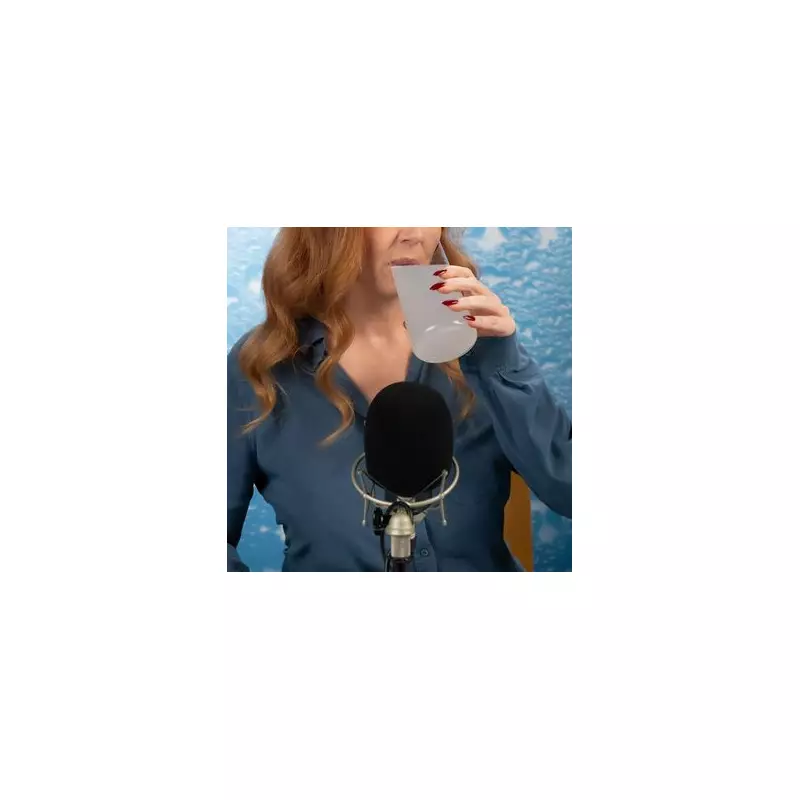
Capitalising on this science, Hydration Booster has launched what it calls the world's first evidence-based 'Thirst Trap' alarm. Created with ASMR artist Emma Smith, the audio track is a layered sensory experience designed to provoke a drinking response. It incorporates sounds like a slow pour, the tear of a sachet, a refreshing fizz, and the crisp sound of a first sip.
The Science of the 'Thirst Trap'
Psychologist Dr Tara Quinn-Cirillo, who provided expertise for the alarm's design, explained the mechanism. "Our brains instinctively link sensory cues, especially with drinking behaviour," she said. "When the right auditory triggers are activated they can reignite the desire to hydrate, even in environments where natural thirst cues are suppressed such as cold weather."
Dr Vlad Sabou of the Gatorade Sport Science Institute emphasised the year-round importance of the issue. "Maintaining hydration is crucial for optimal cognitive and physical performance," he stated. "Most people are unaware that cold weather can suppress thirst perception, leading to an overall underconsumption of fluids."
He warned of the tangible consequences, noting that even a modest two to three per cent deficit in body water can increase fatigue, negatively impact mood, and reduce both alertness and aerobic performance. As January continues, the message is clear: beating the winter dehydration trend requires listening not just to your body, but to clever cues that can remind you to take that vital sip.