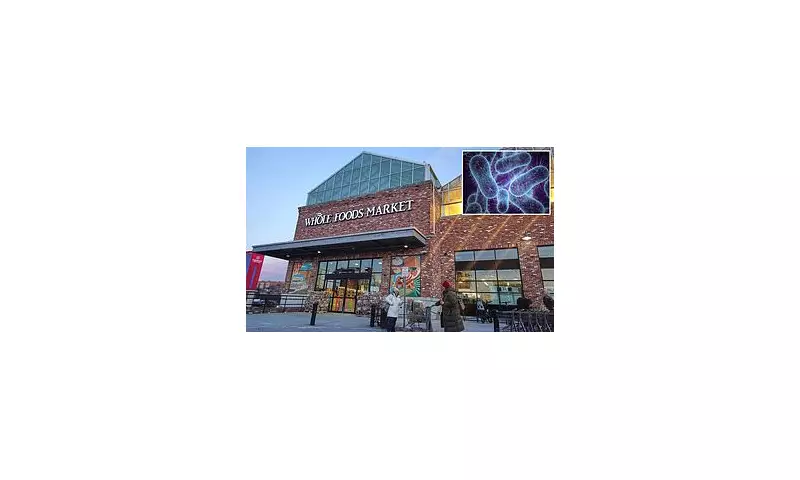
A prominent organic food brand supplying major retailers has initiated a significant product recall over potential contamination concerns. Navitas Organics, a well-known supplier to Whole Foods Market, has voluntarily recalled specific lots of its 8-ounce Organic Chia Seeds following a precautionary alert from its own seed supplier.
Precautionary Recall Despite No Confirmed Contamination
The company's statement, issued through an official FDA notice, makes clear that no salmonella bacteria has actually been detected in Navitas Organics' finished products. This voluntary action represents a preventative measure taken in direct response to a recall initiated by the company's chia seed supplier.
Navitas Organics CEO Ira Haber emphasized the company's longstanding commitment to food safety, stating: "Navitas has provided Organic Chia Seeds to our customers for more than 20 years. Providing safe, healthy food for our customers is why we have been in business this long and it's why we are recalling this product today."

Affected Products and Distribution
The recall specifically targets eight-ounce stand-up pouches of Navitas Organics Organic Chia Seeds bearing the Universal Product Code 858847000284. These products were distributed nationally through physical retail outlets including Whole Foods Market and via major online platforms such as Amazon.
Consumers are urged to examine the back of their chia seed packages for a nine-digit Lot Code beginning with the letter 'W', printed directly above the nutritional information panel. The affected codes include:
- W31025283, W31025286, and W31025287 with a 'Best If Used By' date of End APR 2027
- W31025311 through W31025317 with a 'Best If Used By' date of End MAY 2027
The company's FDA notice provides explicit instructions: "If you have any of the 8oz Organic Chia Seeds with the lot numbers listed above, do not consume them. We ask that you open the bag, discard the chia seeds, and dispose of the bag in a manner that makes it unusable."
No Reported Illnesses Linked to Products
Importantly, health authorities have confirmed that no illnesses have been reported in connection with the recalled chia seeds. These nutritional powerhouses, packed with fiber, protein, and omega-3 fatty acids, have gained substantial popularity among health-conscious consumers, fitness enthusiasts, and wellness advocates for their ability to stabilize blood sugar, support digestive health, and provide sustained energy.
Understanding Salmonella Risks
Salmonella bacteria cause salmonellosis, a foodborne infection that poses particular dangers to vulnerable populations including young children, elderly individuals, and people with compromised immune systems. Even in otherwise healthy adults, infection typically manifests through fever, diarrhea, nausea, vomiting, and abdominal discomfort.
The bacteria attack the intestinal lining, damaging the cells responsible for water absorption and leading to severe cramping and diarrhea. In rare but serious cases, salmonella can enter the bloodstream, potentially causing sepsis—a life-threatening systemic infection that demands immediate medical intervention.
In the United States, salmonella represents a leading cause of food poisoning, responsible for over one million illnesses annually with approximately 26,500 hospitalizations and 420 deaths each year according to public health estimates.
Company Cooperation and Consumer Response
A Navitas Organics spokesperson confirmed that "the company is working closely with FDA on this issue" and extended apologies "to our customers for any inconvenience caused by this recall." This cooperative approach with regulatory authorities underscores the seriousness with which the company treats potential food safety concerns.
The recall highlights the complex nature of modern food supply chains, where issues at supplier level can trigger precautionary actions throughout distribution networks. For consumers who have purchased the affected products, proper disposal following the company's guidelines represents the safest course of action while the company addresses the supplier-related concerns that prompted this voluntary recall.