
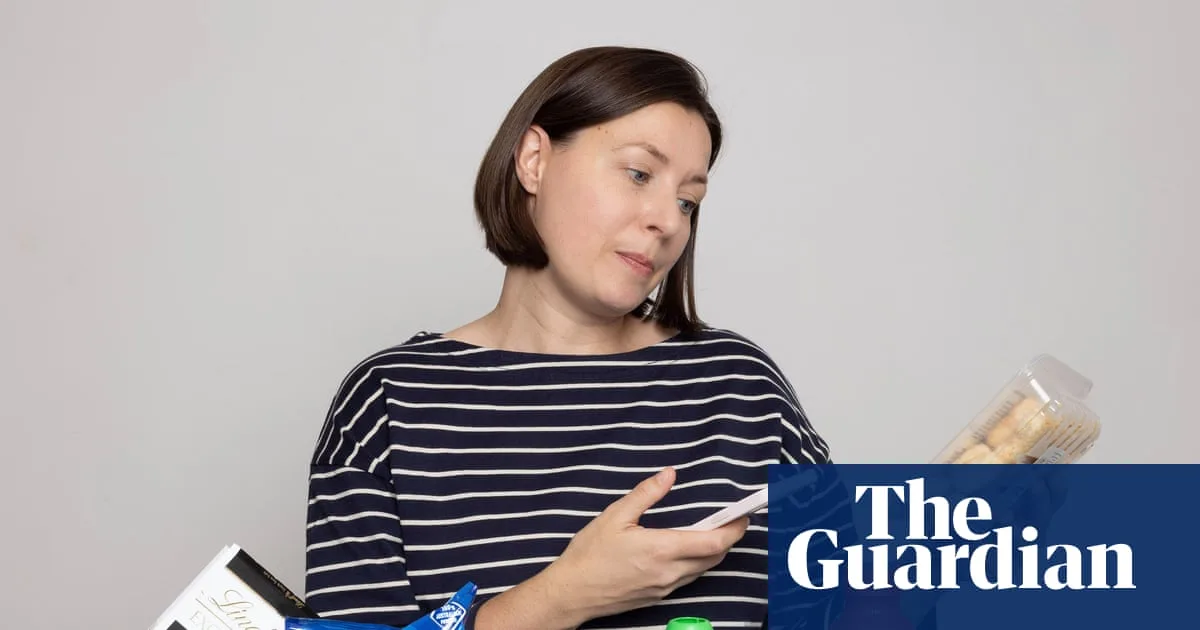
Modern Western diets are packed with ultra-processed foods (UPFs), which have been linked to chronic diseases such as cardiovascular disease, type 2 diabetes, depression and obesity. However, experts say it’s not about cutting them out entirely. “It doesn’t need to be an all-or-nothing approach,” says dietitian Dr Eden Barrett. Identifying the easiest swaps can make a big difference.
Breakfast cereals are a common source of UPFs. Many puffed or extruded cereals like Coco Pops and Rice Bubbles contain additives and sweeteners. Instead, opt for wholegrain options such as Weet-Bix or Vita Brits, which are high in fibre and minimally processed. Oats, whether as porridge or overnight oats, are another excellent choice, allowing you to add your own fruit, nuts and sweeteners.
Plant-based milks can also be ultra-processed, often containing oils, emulsifiers and sugars. To avoid this, choose versions with simple ingredients, such as Oatly Organic Oat Milk (just oats, water and salt) or Nutty Bruce Unsweetened Activated Almond Milk. Look for brands that are fortified with calcium—this does not make them ultra-processed.
Soft drinks are entirely ultra-processed, whether they contain sugar or artificial sweeteners. Experts recommend cutting them out if possible, or at least reducing intake. For a gradual swap, try diluting 100% fruit juice with three parts water, then gradually move to fruit-infused water and eventually plain water. Sports drinks are similarly problematic, offering little benefit for non-athletes.




