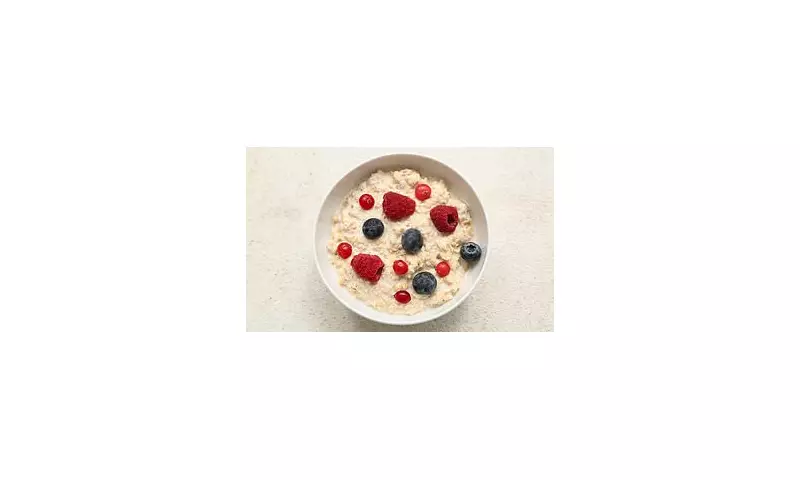
Two-Day Porridge Diet Delivers Dramatic Cholesterol Reduction
Eating nothing but porridge for just two days could significantly slash levels of harmful cholesterol and provide weeks of heart protection, according to surprising new scientific findings. While oats have long been associated with healthier cholesterol profiles, researchers now suggest the benefits may manifest far more rapidly than previously understood.
University of Bonn Research Reveals Rapid Impact
Experts at the University of Bonn discovered that individuals at high risk of heart disease experienced a remarkable 10 per cent reduction in dangerous LDL cholesterol after following a calorie-restricted diet consisting almost entirely of porridge for merely 48 hours. This type of cholesterol is strongly linked to increased risks of heart attacks and strokes.
The secret lies in beta-glucan, a soluble fibre abundant in oats that transforms into a gel-like substance within the digestive system. This gel binds to cholesterol molecules, preventing their absorption into the bloodstream and facilitating their elimination from the body.

Short-Term Oat 'Reset' Challenges Conventional Wisdom
Traditional health guidance has typically recommended adults consume approximately 3g of beta-glucan daily – equivalent to roughly one bowl of porridge – to achieve a five to 10 per cent cholesterol reduction over an extended period. However, these groundbreaking findings indicate that a brief, intensive oat-based intervention could deliver comparable benefits within days rather than months.
This approach appears particularly effective for individuals with metabolic syndrome – a cluster of conditions including obesity, elevated blood pressure and raised blood sugar that substantially increases risks of type 2 diabetes, heart disease and stroke. Remarkably, the cholesterol-lowering effects remained stable for six weeks following the two-day dietary intervention.
Study Methodology and Participant Outcomes
In research published in the prestigious journal Nature, scientists investigated the effects of both a short-term oat diet lasting exactly two days and a longer six-week dietary intervention with slightly more flexibility. Thirty-two participants completed the intensive two-day regimen, consuming exclusively porridge divided into three 100g meals daily.
While permitted minimal additions of fruit or vegetables, participants were restricted to approximately half their normal calorie intake. A control group followed a similarly calorie-restricted diet but could eat whatever they preferred.
Both groups benefited from dietary changes, but effects proved substantially more pronounced among those consuming only oats. 'The level of particularly harmful LDL cholesterol fell by 10 per cent for this group – that represents a substantial reduction,' explained Professor Marie-Christine Simon, food science expert and study co-author. 'Participants also lost an average of two kilograms in weight and experienced slight blood pressure reductions.'
Longer-Term Intervention Yields Surprising Results
To assess potential lasting effects, researchers monitored participants for six weeks after the intervention, during which they returned to normal eating patterns without oats. Intriguingly, the longer six-week arm of the study – where participants replaced one daily meal with porridge made from 80g of oats – failed to produce significant cholesterol-lowering results.
This suggests that a short-term, high-dose oat diet proves more effective for reducing bad cholesterol than gradual, longer-term incorporation of oats into regular meals.
Gut Health Benefits and Microbiome Changes
The research revealed that porridge consumption increased beneficial gut bacteria populations, including those producing ferulic acid – a compound shown to reduce cholesterol levels by inhibiting an enzyme that functions as a switch for cholesterol production. When this enzyme activity decreases, the liver manufactures less cholesterol, reducing fatty build-up and providing cardiovascular protection.

Cardiovascular Context and Statin Alternatives
Cardiovascular disease remains the world's leading cause of mortality, responsible for approximately 30 per cent of global deaths and long-term disability. Within the United Kingdom, more than half of adults are believed to live with elevated cholesterol levels, increasing risks of coronary heart disease, heart attacks and strokes.
The NHS currently prescribes statin tablets to over eight million British adults to manage cholesterol levels, though these medications often require lifelong use and prove unsuitable for everyone. Approximately half of those prescribed statins fail to reach healthy cholesterol levels within two years, underscoring the urgent need for effective, sustainable dietary interventions.
The research team concluded: 'A short-term oat-based diet at regular intervals could represent a well-tolerated approach to maintaining cholesterol within normal ranges and preventing diabetes. Oat consumption, particularly short-term high-dose regimens, provides substantial metabolic health benefits. Our results demonstrate great potential since oat-based interventions offer a rapid, effective approach to alleviating obesity-related lipid disorders, opening new avenues for microbiota-targeted nutritional therapies.'