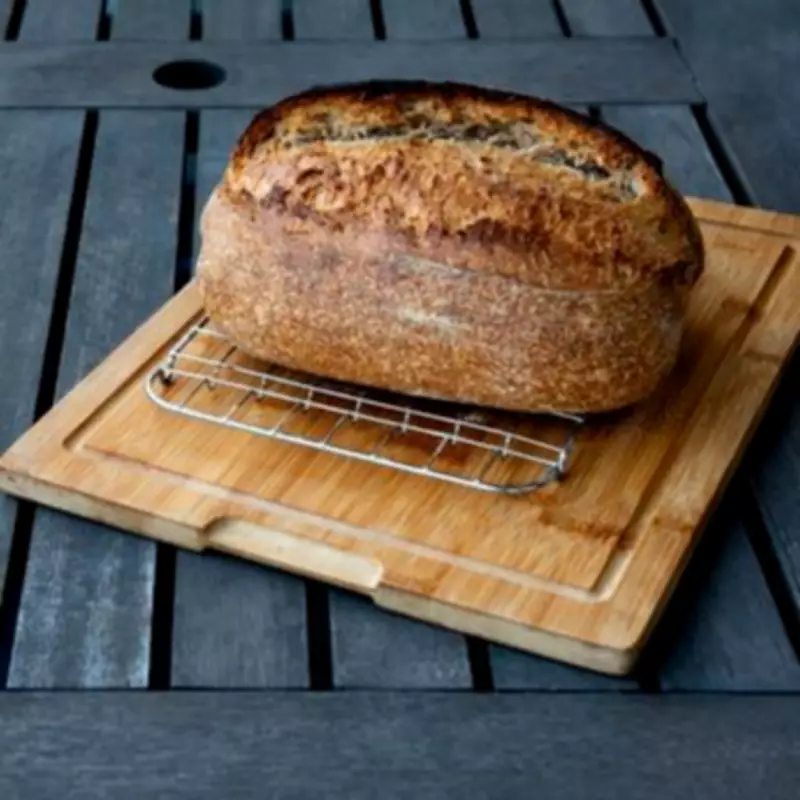
Sourdough bread is a true labour of love, and once it is baked, knowing how to store it properly is essential to keep it fresh for as long as possible. Anyone who has tackled homemade sourdough understands it is a time-intensive process, from maintaining the starter to baking and resting before slicing. After all that effort, it is disappointing to find the bread has lost its crispness and turned stale the next day.
With proper storage techniques, a sourdough loaf can remain at its peak for two to five days. The natural acidity in the bread helps resist mould, but it can still become dry and stale. The most common mistake home bakers make is failing to let the bread cool down completely before storing.
Jamie Saechao, founder of Ginger Homemaking, explained to Martha Stewart that covering a sourdough loaf too soon can cause disaster. She said: "Wrapping up the bread too soon will cause it to release steam, or sweat, resulting in a damp loaf that will mould quickly." Instead, leave the loaf on a wire rack, uncovered, until it has cooled entirely. The wire rack allows proper air circulation around the bread, ensuring it cools correctly.

After the bread has cooled thoroughly, store it in a paper or linen bag to maintain appropriate airflow. Alternatively, a Dutch oven can preserve freshness without squashing the loaf. Sourdough must never be kept in the fridge, as this will rapidly dehydrate it and cause it to deteriorate more quickly. Freezing is always an option: wrap the whole loaf in a plastic bag, squeezing out all air, or slice the loaf and place parchment paper between slices before freezing. Frozen sourdough will keep for up to three months.