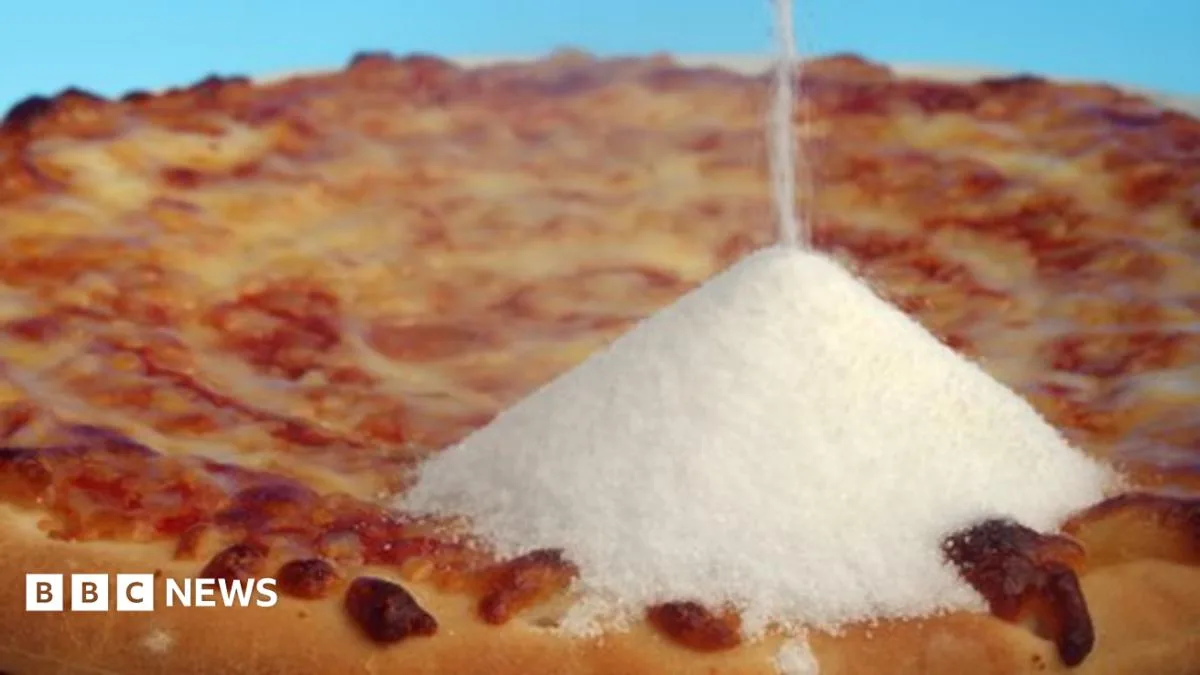
A comprehensive new investigation has uncovered that close to fifty per cent of takeaway meals contain significantly more salt than their advertised levels, with certain dishes surpassing the NHS's recommended daily intake in a single serving. This startling discovery raises serious questions about the accuracy of food labelling within the UK's thriving takeaway sector.
Research Methodology and Key Findings
Scientists from the University of Reading conducted a detailed analysis, purchasing thirty-nine takeaway meals from twenty-three different outlets across Reading. The establishments included a mix of local independent restaurants and prominent national chains such as KFC, Wagamama, McDonald's, Greggs, German Doner Kebab, GBK, Burger King, Domino's Pizza, and Subway.
The research team discovered that forty-seven per cent of the foods examined exceeded their declared salt content. Particular offenders included curry dishes, pasta meals, and pizza offerings, which frequently failed to match the nutritional information presented on restaurant menus.
Salt Content Breakdown by Dish Type
Among all sampled foods, meat pizzas demonstrated the highest salt concentration at 1.6 grams per 100 grams. However, pasta dishes contained the most salt per serving, averaging 7.2 grams per meal. This quantity represents more than a full day's recommended NHS intake of 6 grams in just one sitting. Alarmingly, one specific pasta dish tested contained a staggering 11.2 grams of salt.
Curry dishes showed remarkable variation, with salt levels ranging from 2.3 grams to 9.4 grams per serving. In contrast, chips from traditional fish and chip shops contained the lowest salt levels at just 0.2 grams per serving, primarily because salt is typically added after cooking and upon customer request. Chips from other outlets averaged 1 gram per serving.
Scientific Context and Health Implications
The study, published in the respected medical journal PLOS One, was specifically designed to examine the accuracy of menu food labelling and investigate variations in salt content between similar dishes. Lead author Professor Gunter Kuhnle explained the motivation behind the research, stating, "We conducted this study because we suspected that many menu labels were inaccurate regarding salt content."
Professor Kuhnle elaborated on the practical challenges facing restaurants, noting, "It is very difficult for establishments to provide accurate values without measuring each individual meal. Variations in preparation methods, ingredients used, and portion sizes mean food labels are often based on estimation rather than precise measurement."
Public Health Consequences of Excess Salt
Excess sodium consumption represents one of the most significant drivers of high blood pressure, with hypertension linked to approximately half of all heart attacks and strokes. Research indicates that reducing UK salt intake in line with official guidelines by 2030 could prevent around 135,000 new cases of heart disease.
When individuals consume too much salt, the kidneys respond by drawing water from other tissues and organs to pump into the bloodstream, maintaining balanced blood sodium levels. This increased volume places additional pressure on artery walls, making them stiffer and narrower, while simultaneously forcing the heart to work harder to circulate blood throughout the body.
Over time, this physiological strain significantly increases the risk of heart attack, stroke, and heart failure. An estimated one in three people in the UK lives with high blood pressure, with approximately five million potentially undiagnosed, dramatically elevating their risk of serious health complications.
Study Limitations and Broader Context
The researchers acknowledged certain limitations within their study, noting that the relatively small sample size means findings cannot be generalised to the entire takeaway sector. Furthermore, they highlighted that many outlets operate as franchises, and there may be regional and vendor-specific differences in salt content that were not captured in this investigation.
Professor Kuhnle contrasted the takeaway findings with progress in other areas, observing, "Food companies have been successfully reducing salt levels in shop-bought foods in recent years, but our research demonstrates that eating out often remains a particularly salty experience."
He offered crucial advice to consumers, stating, "Menu labels are intended to help people make informed food choices, but almost half the foods we tested with salt labels contained more salt than declared. The public needs to understand that menu labels are rough guides at best, not accurate measurements."
Emerging Research on Salt and Mental Health
While the connection between salt and cardiovascular disease is well established, emerging research is beginning to unravel salt's potential impact on brain health and dementia. Last year, data from more than 270,000 people registered on the UK Biobank revealed that those who "sometimes" added salt to their food were twenty per cent more likely to suffer from depression than those who never added it.
Those who consistently added salt without exception were forty-five per cent more likely to experience depression, according to findings published in the Journal of Affective Disorders. Excess salt is also thought to increase anxiety risk, as inflammatory proteins disrupt the normal balance of brain chemicals that regulate mood.
A separate study published in the same journal found that individuals who consume more added salt are nineteen per cent more likely to develop dementia. Although the precise mechanism remains unclear, high blood pressure is a known contributor to vascular dementia, which affects approximately 180,000 people annually in the UK alone.




