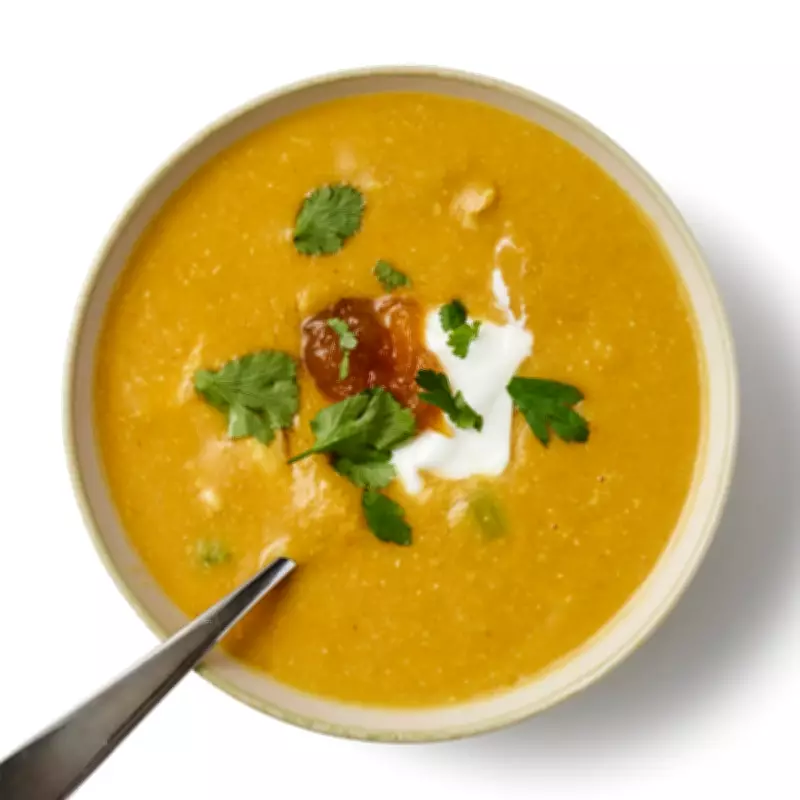
Rediscovering Mulligatawny: A Spicy Winter Soup with a Rich History
Have you ever tasted mulligatawny? This spicy, warming soup, though rarely seen on modern Indian restaurant menus, holds a fascinating place in culinary history. Born from the era of British occupation in India, its name might sound Victorian, but its flavour has aged far more gracefully than imperialism. Historians believe it evolved from the Madrassi broth known as molo tunny, transforming into a gently spiced, comforting dish perfect for chilly days.
The Flexible Ingredients for a Classic Mulligatawny
This recipe serves four to six people and requires about fifteen minutes of preparation and fifty minutes of cooking time. The ingredient list is wonderfully adaptable, allowing for personal preferences and dietary needs.
- 1 onion
- 1 carrot
- 1 parsnip
- 1 celery stick
- 2 tablespoons of ghee or a neutral oil like coconut
- 4 garlic cloves
- 1 knob of fresh ginger
- ½ teaspoon of cayenne pepper or mild chilli powder
- 2½ teaspoons of madras curry powder
- 1½ litres of good-quality chicken or vegetable stock
- 1 chicken thigh, bone-in and skin-on (optional)
- 150g of masoor dal (split orange lentils)
- 4 tablespoons of flaked almonds (optional)
- 100ml of hot milk or water
- 1 tablespoon of lemon juice
- Salt to taste
- 1-2 tablespoons of fruity chutney, such as mango (optional)
- 1 small bunch of fresh coriander, roughly chopped, for serving
- Plain yoghurt for serving
A Note on Meat and Adaptations
Traditionally, mulligatawny was made with chicken, mutton, or goat, but it works beautifully with lamb as well. Any fairly tender cut will suffice, or you can simply add cooked meat at the end. For a lighter version, omit the meat entirely. To create a plant-based dish, swap the ghee for oil and use vegetable stock, making this soup versatile for various diets.

Step-by-Step Guide to Perfect Mulligatawny
Step 1: Prepare the Base Vegetables
Begin by peeling and finely slicing the onion. Trim the carrot, parsnip, and celery, cutting them into chunky dice. Keep these vegetables separate from the onion. There is no need to peel the carrot and parsnip unless they are particularly dirty. Feel free to experiment with other vegetables, but ensure you include at least one sweet element, such as squash, swede, or sweet potato if parsnips are not available.
Step 2: Sweat the Onion
Place the ghee or oil in a large saucepan over medium heat. Add the onion and fry for about five minutes, stirring occasionally, until it softens and begins to turn golden. Meanwhile, crush the garlic and finely grate the ginger.
Step 3: Sauté the Remaining Vegetables
Add the carrot, parsnip, and celery to the pan, frying for another five minutes until they soften but retain a slight crunch. Remove a spoonful of these vegetables and set them aside for later. Stir in the garlic and ginger, cooking for a minute while constantly stirring to prevent browning.
Step 4: Incorporate the Spices
Spoon in the cayenne pepper or mild chilli powder along with the madras curry powder. Stir for a minute to release their aromas. If you do not have madras curry powder, you can find recipes online typically containing coriander, turmeric, cumin, cinnamon, ginger, fennel, cloves, and black pepper.
Step 5: Add Stock, Meat, and Lentils
Pour in the stock—chicken is neutral, but lamb or vegetable stock works well. Add the chicken thigh (preferably bone-in) or lamb, along with the masoor dal. Note that other lentils may require longer cooking times.
Step 6: Simmer Until Fully Cooked
Bring the mixture to a lively simmer, then reduce the heat, cover, and simmer gently for thirty-five minutes, or until the dal is soft and the meat is cooked through. While cooking, soak the almonds in hot milk or water. For a nut-free version, omit the almonds or use unsweetened coconut flakes.
Step 7: Blend and Flavour the Soup

Remove the meat from the pan. Blend the soup until smooth. Separately, puree the softened almonds with their liquid and whisk this into the soup. If the consistency is too thick, adjust with extra stock or water. Stir in the lemon juice and salt to taste. Add chutney if you prefer a sweeter flavour.
Step 8: Final Touches and Serving
Shred the meat, discarding any skin or bones, and stir it back into the soup along with the reserved sautéed vegetables. Divide into bowls and garnish with fresh coriander. A dollop of plain yoghurt makes a delightful topping. This soup can be made ahead, stored in the refrigerator, or frozen for later use.
Mulligatawny is more than just a recipe; it is a culinary journey through history, offering warmth and spice in every bowl. Whether you stick to tradition or adapt it to your tastes, this soup is sure to become a winter favourite.