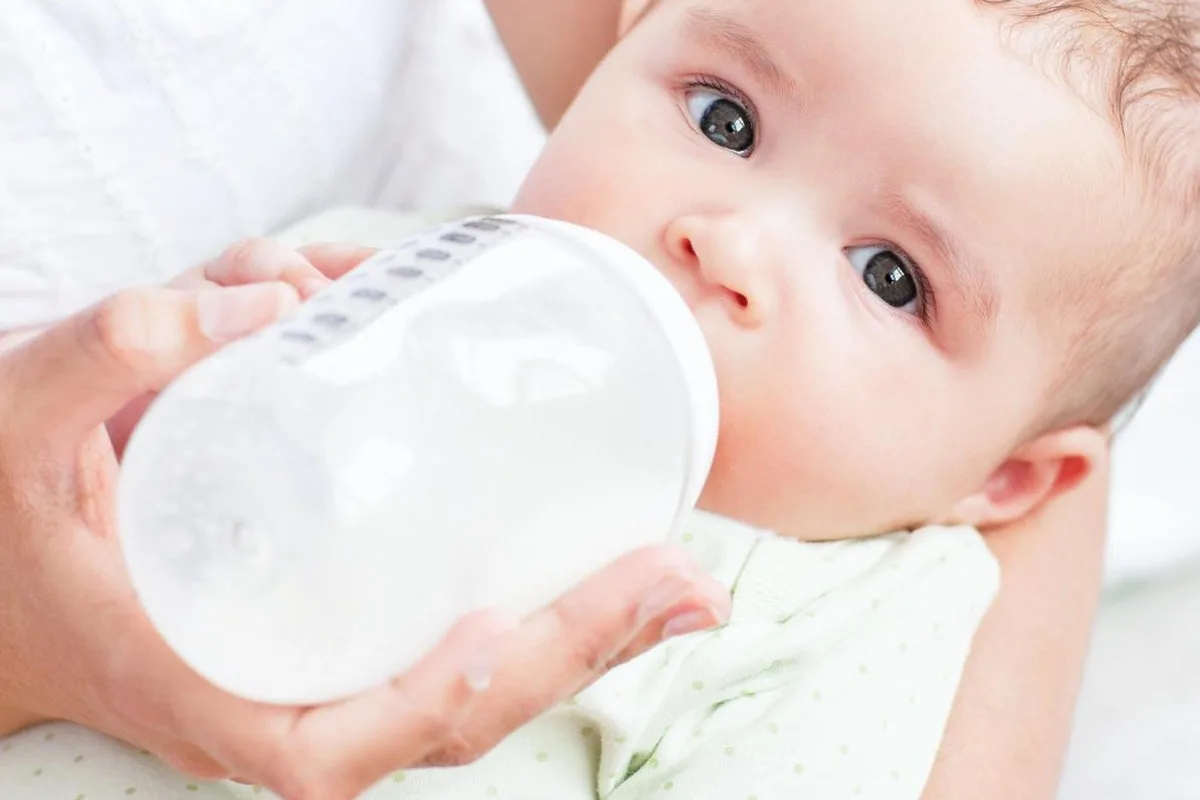
Global Baby Milk Recall: Lactalis Pulls Batches from 18 Nations Over Toxin Alert
Lactalis Recalls Baby Milk in 18 Countries Over Toxin Fears

In a significant food safety development, the French dairy conglomerate Lactalis has announced a voluntary recall of multiple batches of baby milk products across eighteen different countries. The precautionary measure comes amid concerns about the potential presence of cereulide, a harmful bacterial toxin, in certain ingredients supplied to the company.

Global Recall Initiative Launched

The Lactalis Nutrition Santé (LNS) division confirmed on Wednesday that it is recalling six specific batches of its Picot brand infant milk. These products are distributed through both pharmacy and supermarket channels in numerous international markets. The company's statement explicitly cited "the presence of cereulide in an ingredient sourced from a supplier" as the primary reason for this extensive product withdrawal.

Affected Countries Span Multiple Continents

A Lactalis spokesperson provided Reuters with a comprehensive list of the eighteen nations impacted by this recall action. The affected markets include Australia, Chile, China, Colombia, Congo, Czech Republic, Ecuador, France, Georgia, Greece, Kuwait, Madagascar, Mexico, Monaco, Spain, Peru, Taiwan and Uzbekistan. This geographical spread highlights the truly global nature of modern food supply chains and the corresponding challenges in maintaining product safety standards across international borders.

Understanding the Health Risks

Cereulide is identified as a substance of bacterial origin that can cause significant gastrointestinal distress. According to official statements, exposure to this toxin may result in symptoms including diarrhoea, vomiting, nausea and abdominal cramps. These effects can develop relatively quickly after consumption, presenting particular concerns for vulnerable infant populations.

Parallel Recall by Nestlé

This Lactalis action follows closely on the heels of similar precautionary measures taken by food industry giant Nestlé earlier this month. Nestlé confirmed it had recalled several baby formula products, including specific batches of its SMA infant and follow-on formulas, after identifying similar safety concerns. The Food Standards Agency (FSA) warned that affected Nestlé batches might contain the cereulide toxin.

Jane Rawling, head of incidents at the FSA, provided clear guidance to concerned parents and caregivers: "FSA's advice is that parents, guardians and caregivers should not feed infants or young children with these products. Cereulide is a toxin produced by food poisoning bacteria Bacillus cereus, and can cause food poisoning symptoms which can be quick to develop and include vomiting and stomach cramps."

Supply Chain Investigation Underway

Both Lactalis and Nestlé have indicated that the contamination issue appears to stem from ingredients supplied by a leading industry provider. This suggests a potential common source in the manufacturing supply chain that serves multiple major food producers. Investigations are ongoing to determine the precise origin and extent of the contamination.

Official Reassurance and Health Guidance

Ms. Rawling sought to reassure the public while emphasising the seriousness of the situation: "I want to reassure parents, guardians and caregivers that we are taking urgent action, helping to ensure all of the affected product is removed from sale as a precaution. If you have fed this product to a baby and have any concerns about potential health impact, you should seek advice from healthcare professionals by contacting your GP or calling NHS 111."

Nestlé has apologised to customers affected by their recall, confirming that no related illnesses have been reported to date in connection with their products. The company emphasised that their recall was implemented as a precautionary measure to ensure maximum consumer safety.

Industry Implications and Consumer Response

These consecutive recalls by two of the world's largest food manufacturers raise important questions about quality control processes within the global infant nutrition industry. Parents and caregivers in affected countries are advised to check product batch numbers carefully and follow official guidance regarding safe alternatives for infant feeding.

The incidents highlight the complex challenges facing multinational food corporations in maintaining consistent safety standards across diverse international markets while managing intricate global supply networks.




