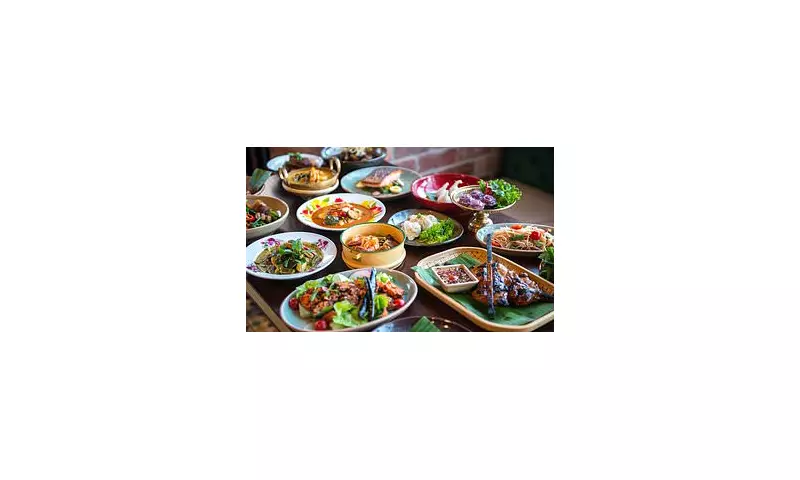
Thai cuisine has become a firm favourite across Britain, with an estimated 2,000 to 2,500 Thai restaurants nationwide and supermarket shelves brimming with Thai-inspired meal kits. Its emphasis on fresh ingredients and aromatic flavours makes it an appealing choice for health-conscious diners seeking more nutritious takeaway options.
The Nutritional Benefits of Thai Cuisine
According to Kerry Beeson, Nutritional Therapist from Prep Kitchen, Thai food represents one of the more flavourful and potentially healthier takeaway choices available to British consumers. "Thai food is a vibrant blend of herbs, spices, and fresh ingredients that makes it one of the more flavourful—and potentially healthier—takeaway options," she explains.
Many Thai dishes feature vitamin-rich vegetables like broccoli and green beans, which are typically stir-fried or grilled quickly to preserve their nutritional content. Authentic Thai ingredients such as pea aubergines provide excellent sources of fibre, antioxidants, potassium, and magnesium.
The cuisine's foundation of garlic offers natural antimicrobial and prebiotic benefits for gut health, while ginger helps reduce inflammation and soothe digestion. Chillies, a signature component, contain capsaicin which improves circulation and blood flow.
Even the divisive coriander, which tastes soapy to some palates, contributes valuable terpinene, quercetin, and tocopherols—plant compounds with significant antioxidant and anti-inflammatory benefits.
Understanding the Health Considerations
Coconut milk, a staple in many Thai dishes, provides a dairy-free alternative for vegans and those with intolerances. It contains medium-chain fatty acids that the body converts into energy without affecting blood glucose levels, along with antimicrobial and anti-inflammatory properties.
However, Ms Beeson cautions that coconut milk is high in saturated fats and calories, containing approximately 445 calories per cup. The NHS recommends adult men consume no more than 30g of saturated fat daily, while women should aim for a maximum of 20g.
Other potential concerns include refined white rice and noodles that are low in fibre and can spike blood sugar levels. Dishes deep-fried at high temperatures may degrade oil quality, while rich sauces often contain hidden fats and sugars.
"Thai ingredients are very bold and may not suit everyone," Ms Beeson notes. "The capsaicin in chillies can cause indigestion or trigger heartburn in some people, and strongly flavoured dishes can be very high in sodium from seasonings like soy and fish sauce."
The Healthiest Thai Dishes to Choose
Som Tam (Green Papaya Salad): This famous Thai salad contains just 111 calories per 220g portion with less than a gram of salt. Be mindful that it can contain up to 15g of sugar—half the NHS's daily 30g recommendation.
Tom Yum Goong Soup: A spicy prawn broth packed with chillies, lemongrass, and galangal typically contains just 50 calories per 240g serving with only 2g of sugar, though it can be high in sodium.
Stir-fried Vegetables: Depending on cooking oil used, this dish contains approximately 200 calories per 240g serving and provides excellent dietary fibre, vitamin C, and antioxidants.
Grilled Chicken (Gai Yang): Marinated with garlic, coriander, and lemongrass, a 100g portion contains around 230 calories. Avoid adding satay sauce, which can add an extra 100 calories per two tablespoons.
Steamed Fish: A 100g fillet typically contains approximately 130 calories and no more than 7g of fat, making it an excellent source of lean protein, magnesium, phosphorus, vitamin B12, and selenium.
Dishes to Enjoy in Moderation
Pad Thai: The iconic noodle dish contains approximately 800 calories, 20g of sugar, and 45g of fat per serving due to its stir-fried rice noodles, palm sugar, and oil content.
Massaman Curry with Chicken: This rich curry contains around 540 calories and 20g of fat per serving, with additional calories coming from the white rice typically served alongside.
Thai Fried Rice (Khao Pad):With 320 calories per serving and up to 20g of fat—two-thirds of a man's recommended daily allowance—this dish offers little nutritional value beyond starch and oil.
Fried Vegetable Spring Rolls: Don't be deceived by the vegetable content—these deep-fried starters can add 440 calories and 19g of fat to your meal, with minimal nutritional benefit.
Mango Sticky Rice: This popular dessert contains nearly 500 calories, 25g of fat, and a substantial 42g of sugar per serving, offering little beyond refined carbohydrates.
Ms Beeson concludes that Thai food can be one of the healthier takeaway options when chosen wisely. "As many dishes are cooked fresh to order, it can be possible to ask for them to be tailored to your needs," she advises, suggesting substitutions like brown rice instead of white rice to increase fibre intake.