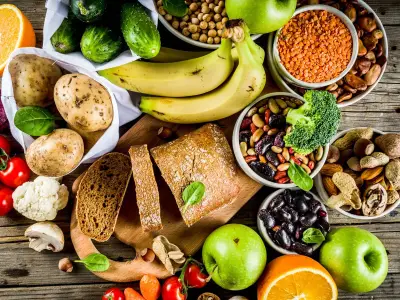
New research suggests that eating more fruits and vegetables may significantly improve sleep quality. A 2021 study by Erica Jansen at the University of Michigan found that participants who increased their daily intake of fruit and vegetables over three months experienced notable improvements in sleep. Women who ate an extra three or more servings per day were more than twice as likely to see a reduction in insomnia symptoms.
The benefits are thought to stem from tryptophan, an amino acid found in many plant foods, dairy, nuts, and lean meats. Tryptophan is a precursor to serotonin, which is converted into the sleep-regulating hormone melatonin. A 2024 study of over 11,000 students in Spain found that those with the lowest daily tryptophan intake had significantly worse sleep, including shorter sleep duration and higher insomnia risk.
However, experts caution that eating tryptophan-rich foods alone is not enough. Marie-Pierre St-Onge, a professor at Columbia University, notes that the body needs time to extract nutrients for sleep-promoting neurochemicals. “You can't eat poorly all day long and think that it's enough to have a glass of tart cherry juice before bedtime,” she says. Instead, a consistent diet rich in whole grains, dairy, lean proteins, and plant foods is key.

Small studies have also highlighted specific foods like tart cherry juice, kiwifruit, and warm milk as potential sleep aids, due to their natural melatonin or tryptophan content. But overall, a balanced diet appears most effective. Jansen adds that tryptophan must be consumed with high-fibre carbohydrates, such as whole grains or legumes, to be properly digested and reach the brain.