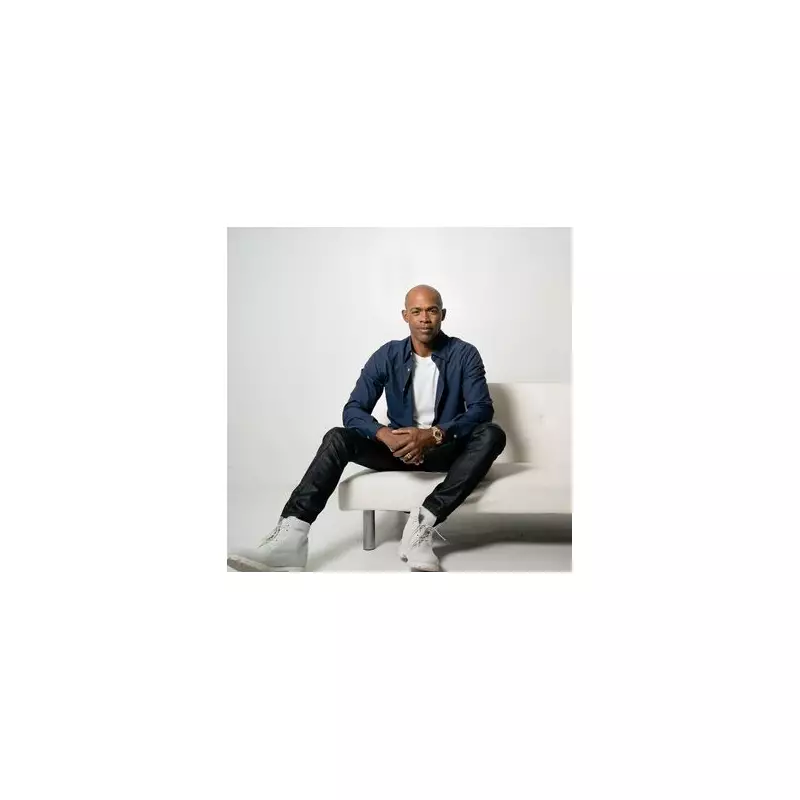
While the passage of time is inevitable, a prominent physician argues that the rate at which we age is not entirely fixed. Dr Ian K. Smith, a Harvard-educated doctor, asserts that strategic lifestyle adjustments can significantly decelerate the ageing process and its impact on our vitality and appearance.
In his new book, Eat Your Age, Dr Smith moves away from the idea of a universal anti-ageing solution. Instead, he presents a decade-by-decade guide, contending that our bodies' nutritional and metabolic needs evolve, and our habits must adapt in response. The core goal is to extend "health span" – the period of life spent in good health – rather than just lifespan.
The Decade-by-Decade Blueprint for Vitality
Dr Smith's philosophy is built on proactive, preventative steps tailored to each life stage. "It's about how well you plan, how aware you are of your body and health," he explains. The plan focuses on practical strategies encompassing diet, exercise, and medical awareness.

Your 30s: Laying the Metabolic Foundation
Dr Smith identifies the fourth decade as a critical period for establishing habits that pay off later. "While the body is still resilient, early metabolic shifts are already underway," he warns. The focus should shift from mere calorie counting to nutritional quality.
He recommends making lean protein a staple at every meal, loading up on fibre-rich vegetables, and incorporating healthy fats while cutting back on ultra-processed foods. This approach helps prevent insulin resistance before it starts. "Blood sugar regulation, cholesterol patterns and inflammatory markers can begin drifting in the wrong direction without obvious symptoms," he cautions.
For exercise, establishing a consistent resistance-training routine of at least two to three days per week is key. "Muscle mass gained in your 30s becomes metabolic insurance later in life," Smith states. This should be paired with moderate cardio like brisk walking or cycling.
Your 40s: Strategic Maintenance and Hormonal Shifts
The 40s represent a shift from building health to actively safeguarding it. Hormonal changes and a gradual metabolic slowdown mean the body responds differently, even if habits remain constant.
Nutritionally, spreading protein intake evenly across meals becomes essential for preserving muscle and managing appetite. Monitoring portion sizes and reducing liquid calories is also more critical as calorie needs drop. Exercise should combine higher-intensity intervals with strength training, while prioritising recovery through adequate sleep and mobility work.
Your 50s: Preserving Strength and Fighting Inflammation
In this decade, the focus moves from weight to resilience. "Muscle loss, inflammation and chronic disease risk accelerate unless directly addressed," Dr Smith explains.
He advises adopting an anti-inflammatory eating pattern rich in omega-3 fats, colourful vegetables, and whole grains, while cutting added sugars. Strength training remains non-negotiable and should be supplemented with balance and mobility exercises. Proactive medical screening for markers like fasting glucose, blood pressure, and cholesterol is also vital for early detection of silent risks.
Your 60s and Beyond: Sustaining Independence
Here, the emphasis moves to preservation and sustaining quality of life. Nutrient density is paramount, with a focus on sufficient protein, calcium, vitamin D, and hydration. "Appetite may decline, but nutrient needs remain high," Smith notes, warning that insufficient protein is a common and dangerous error.
Exercise should prioritise functional movement, balance, and flexibility to preserve mobility and reduce fall risk. "The goal isn't intensity, but consistency and safety," he says. Regular medical vigilance forms the final pillar for a longer, more vibrant life.
Ultimately, Dr Smith's message is one of empowerment. His approach offers a science-backed framework for individuals to take intentional control of their ageing journey, proving that vitality in later years is an achievable goal through informed, consistent action.