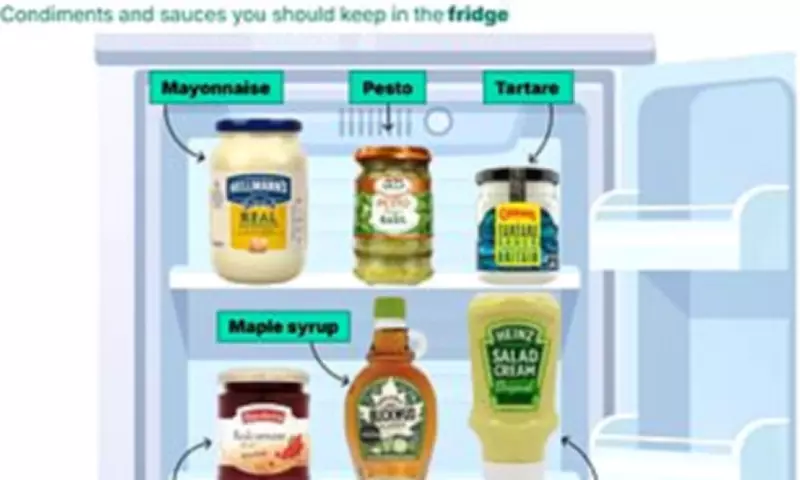
From mayonnaise to hot sauce, most British households have dozens of condiments cluttering kitchen cupboards and refrigerator doors. But do you know where each sauce truly belongs? Consumer champion Which? has conducted a comprehensive analysis of twenty of the most common condiments to provide definitive guidance on correct storage practices.
Widespread Confusion Over Condiment Storage
When we quizzed people on how they store their sauces, we discovered a lot of confusion, misinformation and downright bad habits – including ones that could be putting your health at risk, explained the consumer organisation. By law, manufacturers are required to put storage guidance on their products. But more than a third of people we asked in a 2020 poll said they never check to see where condiments should be stored, or for how long.
Which? consulted food experts, including registered dietitian Dr Sarah Schenker, to create the ultimate guide to what goes where and why. The research has even settled the perennial debate over where tomato ketchup belongs – potentially challenging long-held kitchen habits across the UK.

Condiments That Definitely Need Refrigeration
You might be surprised to learn that the majority of condiments don't actually require refrigeration. In fact, Which? identifies just six condiments that should definitely be kept in the fridge.
The Essential Refrigerated List
- Mayonnaise: Should be refrigerated and used within three months of opening. Pasteurisation provides an extra layer of safety, but it should still be refrigerated, advised Dr Schenker.
- Pesto: Especially important if it contains pine nuts, which can develop mould producing toxic mycotoxins. Mould can be hard to see on pesto, especially if it's green pesto, so don't take any chances, Dr Schenker cautioned.
- Salad Cream: Contains eggs like mayonnaise, making refrigeration essential.
- Tartare Sauce: Another egg-based condiment requiring cold storage.
- Maple Syrup: High sugar content necessitates refrigeration.
- Redcurrant Jelly: Similarly benefits from cold storage due to sugar concentration.
Dr Schenker offered particular advice for summer entertaining: Condiments like salad cream are often left lingering outside during summer parties and barbecues. It's best to decant some into a bowl to use, to prevent the entire bottle lying around in warm conditions.
Condiments Perfectly Safe for Cupboard Storage
In contrast, the vast majority of condiments are perfectly fine to keep in the cupboard – including the controversial tomato ketchup. While many Britons adamantly believe ketchup belongs in the refrigerator, Which? reassures that it contains sufficient vinegar to remain preserved at room temperature.
Sometimes people keep ketchup in the fridge, simply because they prefer a chilled taste, but otherwise it doesn't need to be refrigerated, Dr Schenker confirmed.
The Cupboard-Friendly Collection
- Ketchup
- Brown sauce (including HP Sauce)
- Honey
- Mint sauce
- Pickle
- Olive oil
- Soy sauce
- Mango chutney
- Malt vinegar
- Hot pepper sauce
- Worcestershire sauce
- Mustards (English, Dijon and Wholegrain varieties)
Dr Schenker explained the preservation logic behind some items: Pickles and chutneys originally came about as a way of preserving fresh fruit and vegetables so, by their very nature, they're OK outside the fridge. However, she cautioned to watch for stray crumbs in pickle jars that could become mouldy.
Expert Insights on Mustard and Mould Management
Many home cooks instinctively refrigerate mustards, but Which? confirms this is unnecessary. Dijon, English, and wholegrain mustards contain sufficient preservatives to remain stable at room temperature. Preservatives mean it's fine to keep it in a cupboard, although keeping it in the fridge may help to preserve its kick and punchiness for longer, noted Dr Schenker, adding that mustard's vibrant colour may change in a warmer environment.

Regarding occasional mould sightings, Which? offered reassuring guidance: Don't worry about a little bit of mould on products such as jams, jellies and fruit sauces. Experts say if you're in good health, scrape it off and eat what's underneath. Avoid breathing in spores, and discard if the food tastes 'fizzy' and you're prone to an unsettled stomach.
Essential Food Safety Tips for Every Kitchen
Proper condiment storage forms part of broader food safety practices. To minimise food poisoning risks, consider these expert recommendations:
- Maintain a clean workspace: Germs can survive across kitchen surfaces, making regular cleaning essential.
- Avoid cross-contamination: Use separate cutting boards and plates for raw meats and ready-to-eat foods.
- Utilise food thermometers: Ensure internal temperatures reach levels sufficient to kill harmful bacteria.
- Store perishables promptly: Refrigerate within two hours of purchase with fridge temperatures below 40°F.
- Look beyond expiration dates: Strange smells or colours indicate spoilage regardless of printed dates.
- Thaw frozen foods safely: Use refrigerator, cold water, or microwave methods rather than counter thawing.
This comprehensive guidance from Which? and food safety experts provides British households with definitive rules for condiment storage, potentially transforming kitchen organisation while reducing food waste and health risks associated with improper storage practices.