
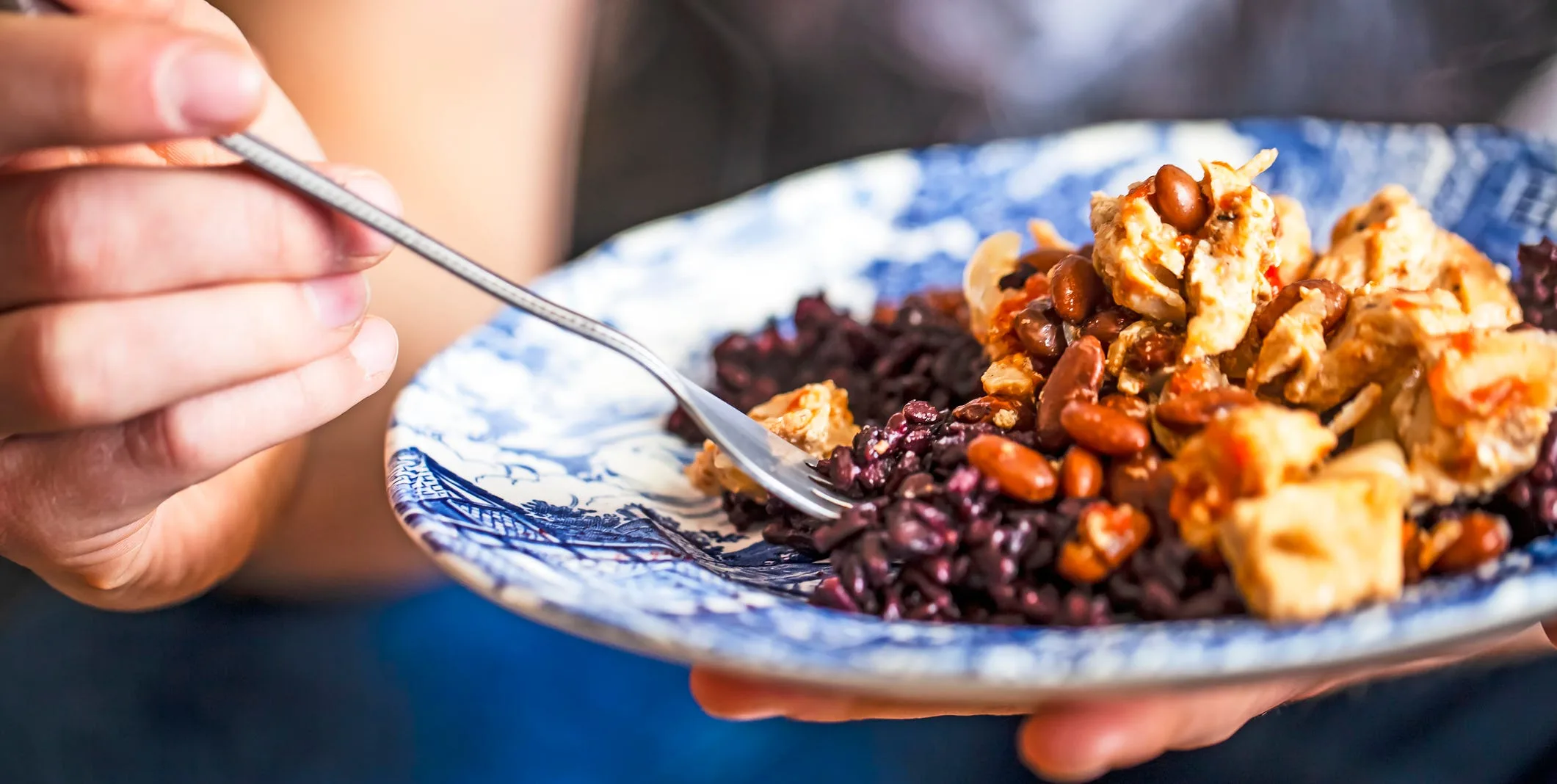
A new campaign backed by major supermarkets and celebrity chefs is urging Britons to double their consumption of beans, legumes and pulses by 2028. The 'Bang in Some Beans' initiative, launched by The Food Foundation and Veg Power, aims to highlight the health, affordability and environmental benefits of beans.
The campaign has received £1.4 million in funding from The National Lottery Community Fund and support from retailers including Lidl, Sainsbury's, M&S, Waitrose and Ocado, as well as food service companies ISS and Harvester. All have pledged to increase sales and visibility of beans over the coming years.
Celebrity chefs Jamie Oliver and Hugh Fearnley-Whittingstall are backing the campaign. Oliver described beans as 'plant-based powerhouses packed with fibre' and 'a brilliant source of protein', while Fearnley-Whittingstall called them 'fantastic for your health' and 'a super useful and super special ingredient'.
According to The Food Foundation's Bean Facts report, diets low in beans are linked to as many as 9,000 premature deaths in the UK each year. National Diet and Nutrition Survey data shows only around 4% of UK adults meet the recommended daily intake of 30g of fibre, with the average Brit consuming just 16g a day.
Beans offer an affordable solution: half a can of Sainsbury's cannellini beans contains 7.6g of fibre and costs less than 25p. They also provide 8.9g of protein and have a much smaller environmental footprint than meat, being less carbon-intensive and helping to improve soil health. Plant-based meat alternatives are around 4.5 times more expensive than beans.
While the campaign aims to double bean consumption, the UK would still need a sevenfold increase to meet the Eat-Lancet planetary health diet recommendations. Nutritionist Andrew Tracey suggests pairing beans with traditional protein sources like chicken or salmon as a cost-effective way to boost fibre and protein intake.




