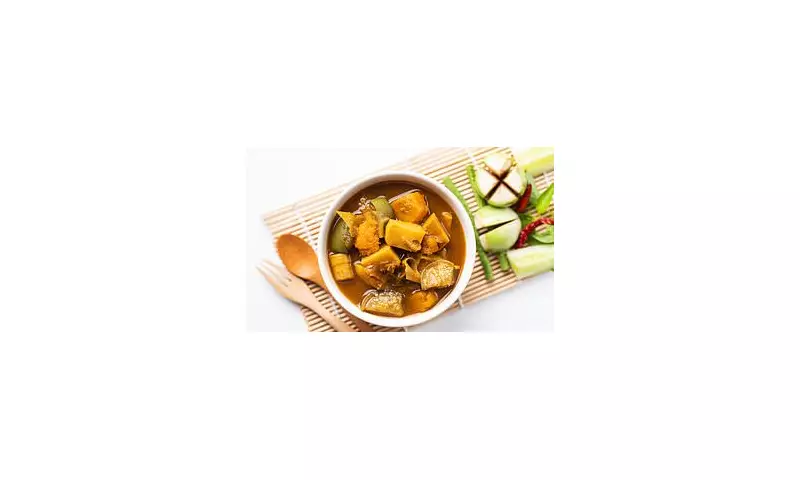
Move over kale and quinoa, there's a new superfood contender sprouting up, and it's been growing under our noses for centuries. Bamboo shoots, a long-standing staple in Asian cuisine, have been identified in a groundbreaking academic review as a potential powerhouse for health, offering benefits from improved digestion to heart protection.
The Surprising Science Behind Bamboo's Benefits
Conducted by experts at Anglia Ruskin University in Cambridge, this first-of-its-kind review analysed data from human trials and laboratory experiments on human cells. The lead author, public health researcher Professor Lee Smith, stated the findings suggest bamboo could help tackle modern health epidemics. 'The multiple health benefits we identified, including its potential to tackle modern health challenges like diabetes and heart disease, are likely due to the nutritional content of bamboo and its extracts,' Professor Smith explained.
The research, published in the journal Advances in Bamboo Science, found that consuming bamboo led to better glycemic control, meaning it could help regulate unpredictable blood sugar levels—a key factor in managing and preventing diabetes. It was also linked to improved blood-fat profiles, suggesting a role in keeping 'bad' cholesterol in check and reducing the risk of cardiovascular disease.

Gut Health and Protective Properties
Aligning perfectly with today's wellness focus, bamboo shoots are a boon for gut health. Rich in dietary fibre, they improve bowel function, which can reduce the risk of bowel cancer by limiting the contact time of harmful toxins with the bowel wall. Lab studies revealed probiotic effects, indicating bamboo may increase beneficial gut bacteria.
Furthermore, human studies showed increased anti-inflammatory activity and reduced cell toxicity after consumption. Intriguingly, compounds in bamboo were found to inhibit the formation of toxins like furan and acrylamide, which can be produced during high-temperature cooking methods like roasting or air frying. This points to bamboo's potential as a safety-enhancing food ingredient, though researchers caution more study is needed.
A Note of Caution and the Need for Further Research
Despite the promising data, experts highlight important caveats. Incorrectly prepared bamboo can pose a risk of cyanide poisoning, a compound also present in many common foods like apples and spinach. Symptoms can emerge rapidly and include nausea, headache, and confusion. One study also noted that bamboo contains compounds that might interfere with thyroid hormone production, potentially increasing the risk of goitre.
However, both of these risks can be effectively mitigated by pre-boiling the shoots before consumption. The research team also emphasised a significant gap in current knowledge. 'We could only find four studies involving human participants that met our criteria,' they noted, concluding that additional high-quality human trials are essential before definitive dietary recommendations can be made.
As the world's fastest-growing plant—with some varieties shooting up 90cm daily—bamboo presents a sustainable and nutrient-dense option. Already mass-produced in China and India, this ancient ingredient is now poised for a global health renaissance, pending further scientific validation.