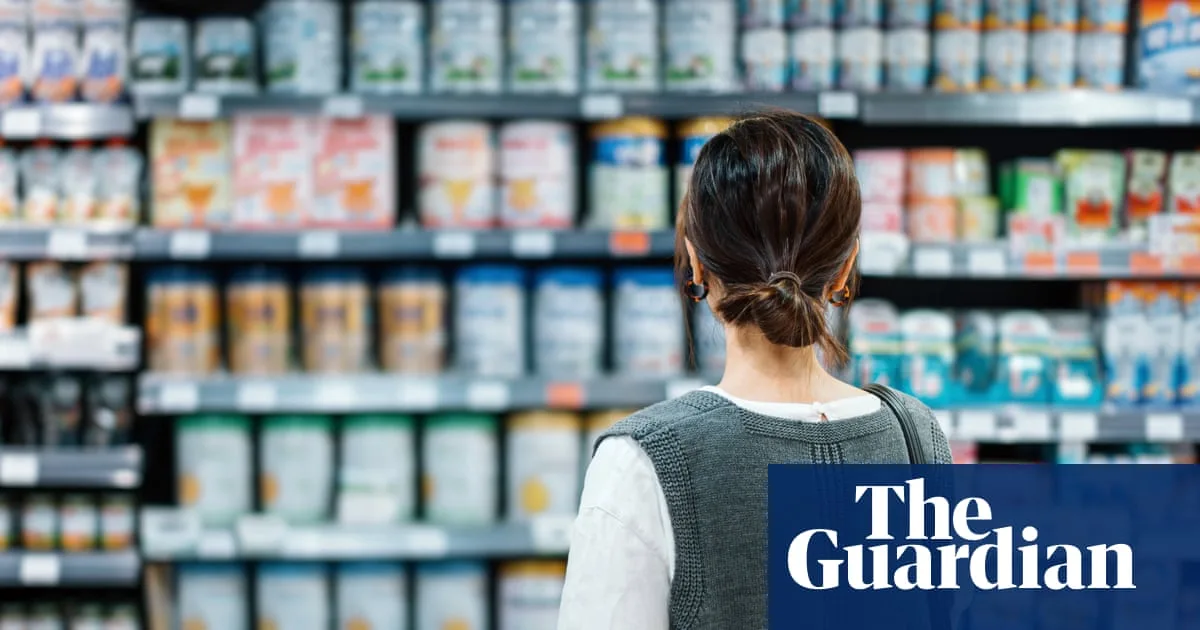
The government has issued voluntary guidance giving baby food manufacturers 18 months to improve the quality of their products in England, amid concerns that leading brands are nutritionally poor. The guidance calls for reductions in sugar and salt levels in food for infants and toddlers, and for clearer labelling to address misleading marketing claims.
Products labelled with phrases such as “contains no nasties” may still be high in sugar, while others are marketed as snacks for babies despite official advice that children aged six to 12 months do not need snacks between meals. The move follows a University of Leeds report published in April that found brands including Ella’s Kitchen and Heinz were making sugar-heavy, nutritionally poor food that failed to meet infants’ needs.
Lead author Dr Diane Threapleton said the voluntary guidelines were “quite narrow in scope” and would have limited impact. She highlighted that many purees and pouches aimed at weaning babies were “too watery” and low in energy, making them poor substitutions for nutritious milk feeds. The NHS advises starting weaning at around six months with non-sweet vegetables such as broccoli, cauliflower and spinach.
The issue is set against high rates of childhood obesity in the UK, with more than 22% of children in England overweight or obese at the start of primary school. Last year, a House of Lords report found commercial infant foods were “routinely high in sugar and marketed misleadingly” and called for mandatory legal standards without manufacturer input.
Public health minister Ashley Dalton said the guidelines would help parents who were often “bombarded with confusing labels, disguising unhealthy foods packed with hidden sugars and salt”. Professor Simon Kenny, NHS England’s national clinical director for children and young people, said clearer labelling would empower parents to make nutritious choices. A Department of Health and Social Care spokesperson said manufacturers were expected to comply within 18 months, adding: “If businesses fail to act, we will consider tougher measures.”
Separately, research from the University of Leeds estimated that legislation restricting supermarket sales of foods high in fat, sugar or salt led to 2 million fewer such products sold per day after it took effect in 2022, with the proportion dropping from 20 to 19 out of every 100 in major retailers.