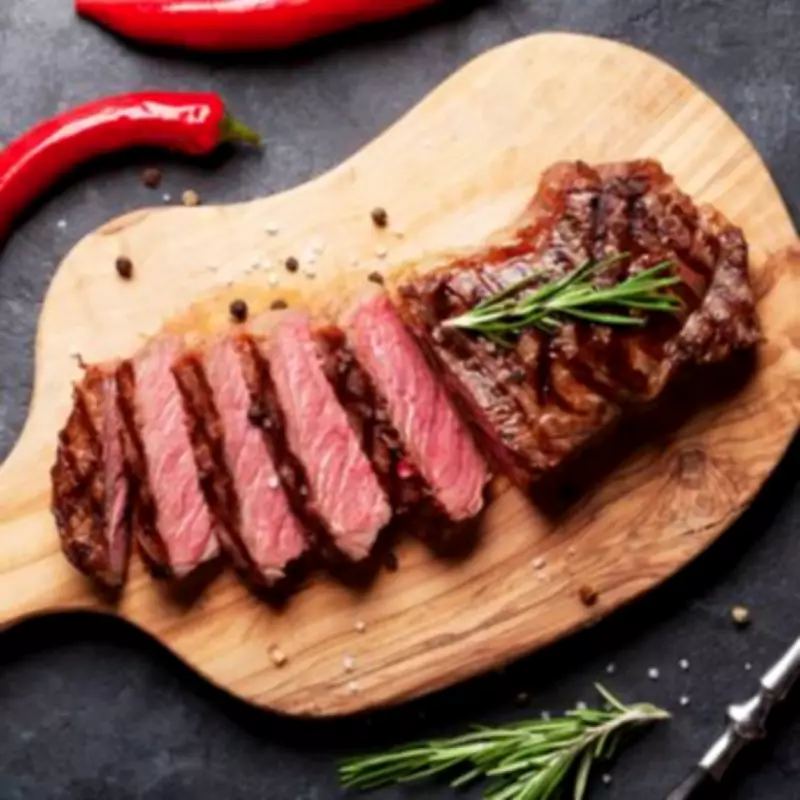
The Secret to a Perfect Steak Lies in Avoiding One Simple Mistake
Cooking steak at home can feel like a luxurious treat, but achieving restaurant-quality results often proves challenging. According to culinary experts, many home cooks unknowingly commit a widespread error that significantly impacts the final dish's quality. Food expert and content creator Frank Tui recently shared invaluable advice he received from a master butcher, revealing a straightforward tip that can transform your steak-cooking approach.
Why You Should Never Cook a Cold Steak
Ed Campbell, a seasoned butcher at Kings Food Market in New Jersey, emphasised that one of the most critical mistakes home cooks make is tossing a steak into the pan while it is still too cold. He explained: "Let the steak sit on the counter for about 10 to 15 minutes before cooking." This simple step allows the meat to lose its chill, enabling it to cook far more evenly once it hits the heat. Frank noted that this technique works especially well with thicker cuts of meat, such as ribeye, which require slightly longer resting time compared to thinner cuts.
The science behind this is straightforward: when a cold steak meets a hot pan, the exterior heats up rapidly while the centre remains cold. This steep temperature gradient creates an undesirable grey band just beneath the crust, as the interior struggles to catch up. Allowing the steak to rest at room temperature for 10 to 15 minutes mitigates this issue, promoting a more uniform cook throughout.

Keep the Surface Dry for a Perfect Sear
Temperature is not the only factor to consider. Frank also recommends ensuring the steak's surface remains dry during cooking. After seasoning the steak, place it on a plate lined with kitchen roll. The salt will draw out excess moisture. Just before cooking, pat the steak dry again with kitchen roll to remove any remaining moisture. Frank notes that this simple step makes a "noticeable difference" to the end result.
A dry surface allows the steak to sear properly, creating that deeply browned crust that delivers most of the flavour. Conversely, a wet surface forces the pan's heat to evaporate moisture first, producing steam and resulting in a dull, grey exterior instead of a golden-brown crust. Additionally, blotting the steak dry makes cooking safer by reducing oil splatter when water hits hot oil.
How to Implement These Tips
Next time you prepare a steak, simply remove it from the fridge, season it, and place it on a plate lined with kitchen roll. Leave it to rest for 10 to 15 minutes while you prepare the rest of your meal. Just before cooking, pat it dry again. This easy routine will help you achieve a perfectly cooked steak with a delicious crust every time.