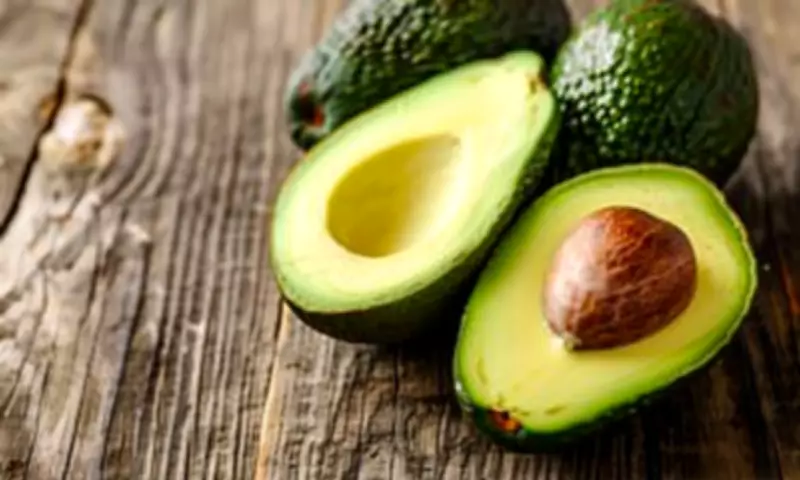
Smashed on sourdough toast or blended into vibrant green smoothies, the avocado has firmly established itself as a cornerstone of contemporary healthy eating. Frequently hailed as a 'superfood', this nutrient-dense fruit is loaded with beneficial monounsaturated fats, dietary fibre, potassium, and essential vitamins including K, E, and C. Its journey to ubiquity, however, is a fascinating tale of changing tastes and nutritional awareness.
The Superfood's Path to Popularity
Celebrity endorsements from figures like Gwyneth Paltrow helped catapult avocado toast into a defining health trend of the 2010s, making it symbolic of millennial wellness culture and, at times, sparking debate over perceived extravagance. Yet, its nutritional credentials are solidly backed by science. Regular consumption is linked to a reduced risk of cardiovascular disease, improved cholesterol profiles, support for weight management, and enhanced eye and skin health.
Nutritional Therapist Gabriela Peacock, founder of GP nutrition, emphasises their value: 'Avocados are rich in healthy fats and fibre, which support energy, skin health and longevity. They are a perfect addition to your diet as they're nourishing, satisfying and easy to build into quick meals.'

A Fruit with an Identity
Despite its common use in savoury dishes, the avocado is botanically classified as a large berry, characterised by its fleshy pulp and single large seed. It shares a family tree with aromatic plants like cinnamon and bay laurel. Native to the Americas, it has earned nicknames like 'butter pear' for its oily texture and 'alligator pear' for its distinctive knobbly green skin.
From British Bewilderment to Kitchen Essential
Avocados first arrived on British shores in the 1960s, marketed as 'avocado pears'. Initially, the foreign, oily fruit baffled many consumers, with some even attempting to serve it with custard. Supermarkets resorted to providing instructional leaflets to guide the perplexed public. Throughout the 1970s and 80s, avocados were viewed as a luxury item, often featuring prominently in prawn cocktails at sophisticated dinner parties.
The turning point came in 2015, when The Grocer reported that avocado sales in the UK had surpassed those of oranges, marking its complete transition from exotic novelty to everyday household staple.
Nutritional Powerhouse Debunking Myths
Hanieh Vidmar, a nutritional therapist and naturopathic chef, notes: 'Avocados align closely with modern food trends - they're a whole food, rich in healthy fats, supportive of blood sugar stability, suitable for plant-based and low-carb diets, and visually appealing.'
While a medium avocado contains approximately 240-320 calories and 22-30 grams of fat, nutritionists stress this should not deter consumers. Registered nutritionist Lily Soutter clarifies: 'One common myth is that avocados are high in fat, which automatically makes them fattening. While avocados do contain healthy fats, portion size matters, and they can be enjoyed as part of a balanced diet. Generally, a standard portion is half a medium-sized avocado, which contributes to your five-a-day. Their high fibre content can help promote feelings of fullness and satisfaction.'
Versatility Beyond the Toast
The avocado's culinary uses extend far beyond brunch. From classic guacamole and sushi fillings to innovative pesto and even chocolate brownies, its creamy texture makes it a remarkably adaptable ingredient. Its utility doesn't end in the kitchen; cold-pressed avocado oil is a popular cooking medium, and its extracts are commonly found in skincare products like lotions, creams, and hair masks.
A recent YouGov poll ranked it as the 19th most popular 'vegetable' (despite being a fruit), with nearly 70% of respondents expressing a liking for it.
Varieties and Origins
The Hass variety, with its dark, bumpy skin and creamy flesh, dominates UK supermarket shelves. Other, smoother-skinned varieties like Fuerte or Ettinger are also available, primarily imported from Peru, Israel, Chile, Colombia, and South Africa.

Daily Consumption and Dietary Benefits
Nutrition experts generally agree that enjoying avocado daily is perfectly acceptable within a balanced diet, with attention to portion size. Specialist registered dietitian Nichola Ludlam-Raine advises: 'Avocados can be eaten regularly and even daily if you enjoy them, but portion size matters as they are relatively energy-dense. For most people, around half an avocado per serving (per day) fits well within a balanced diet.'
They are particularly beneficial for pregnant and breastfeeding women due to their rich content of folate, potassium, fibre, and healthy fats. The combination of low sugar, high fibre, and healthy fats also helps stabilise blood sugar levels, preventing energy dips.
Ms Vidmar adds: 'Healthy fats are no longer demonised and are now recognised as essential... They're a fantastic contribution to the Mediterranean diet, which has also gained a lot of traction in recent years.'
Preparation and Ripeness Guide
For perfect preparation, cut the avocado lengthways around the stone, twist to separate, and remove the stone with a spoon. Score the flesh if desired before scooping. A ripe avocado yields slightly to gentle pressure and often has darker skin. Check the stem; it should be dark green, not black. Signs of spoilage include large brown patches, a sour smell, mould, or a slimy texture.
Maximising Nutritional Benefits
To enhance the health benefits, pair avocados with foods rich in fat-soluble vitamins (A, D, E, K), such as leafy greens, carrots, sweet potatoes, peppers, oily fish, eggs, nuts, and seeds. The healthy fats in avocado improve the body's absorption of these vitamins. Combining avocado with oily fish is especially advantageous for heart and brain health.
Registered nutritionist Jenna Hope recommends adding them to salads or rye toast to boost nutrition and dietary diversity. Overripe avocados need not be wasted; they are ideal for guacamole, baking, smoothies, or can be frozen for later use.
Considerations and Allergies
It's important to note that individuals with latex allergies may experience cross-reactivity with avocados due to similar protein structures. Those with sensitive digestion or Irritable Bowel Syndrome (IBS) might need to monitor portion sizes, as larger amounts could potentially trigger symptoms.
From its humble, misunderstood beginnings to its current status as a dietary superstar, the avocado's story is one of nutritional enlightenment and culinary adoption, securing its place as a must-have in the modern British kitchen.