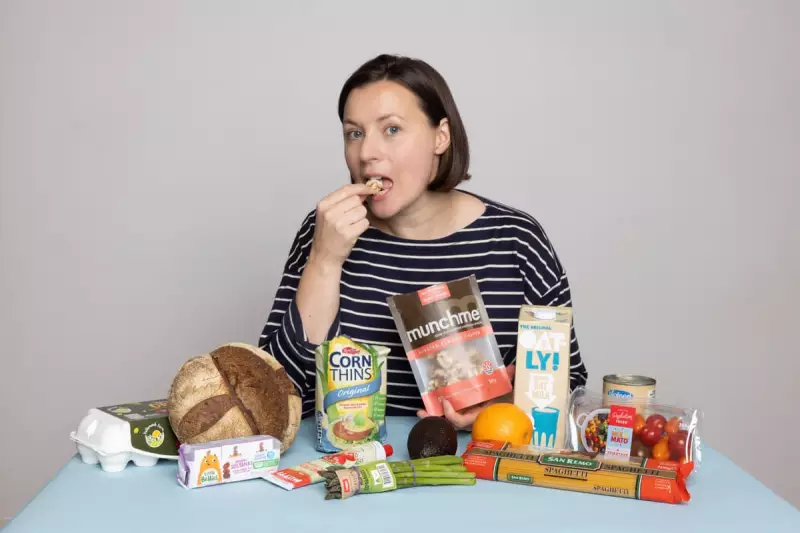
For many of us, ultra-processed foods (UPFs) are the unthinking backbone of daily meals, from breakfast cereals to ready-made sauces. After a major 2025 global report linked their consumption to increased risks of type 2 diabetes, heart disease, and depression, journalist Emma Joyce decided to confront her own diet. She embarked on a challenging experiment: to completely avoid UPFs for an entire working week.
The Daunting Rules of Engagement
Before beginning, Joyce sought expert advice to understand the scale of the task. Professor Mark Lawrence from Deakin University offered a rough guide: avoid products with long ingredient lists, steer clear of middle supermarket aisles, and be wary of items containing "chemical-sounding" components. He acknowledged the difficulty, noting these products are deeply engineered into modern food systems.
Dr Phillip Baker from the University of Sydney's School of Public Health added another tip: avoid any ingredient you wouldn't use in home cooking. Armed with the Nova food classification system—which categories foods from unprocessed (Group 1) to ultra-processed (Group 4)—Joyce began her purge. She immediately faced the first major hurdle: cost. Replacing her usual spreadable butter and supermarket bread with 100% milk butter and bakery rye bread doubled her grocery spend.

A Week of Scrutiny, Hunger, and Temptation
The first day started with optimism—avocado on toast, raw nuts, and a carefully prepared spaghetti bolognese. However, the realities quickly set in. Food preparation time and washing up increased dramatically, and constant hunger led to relentless fruit snacking. The mental load of checking every label became exhausting.
Challenges emerged in unexpected places. On an office day, her usual oat milk coffee was off-limits after discovering the almond milk contained maltodextrin and vegetable gums—classic UPF markers. She settled for black coffee. Lunches required lengthy supermarket trips and meticulous packet reading, spending around $50 on what she hoped would cover multiple meals. The temptation was ever-present, from a colleague's chocolate biscuits to the smell of her partner's ultra-processed garlic bread.
By mid-week, the strain was showing. A moment of confusion over rice bran oil in a frozen curry nearly brought her to tears. The constant vigilance was isolating, forcing her to avoid casual cafe lunches with colleagues for fear of unknown ingredients.
The Jam Jar Failure and a New Philosophy
Her resolve finally cracked at a Friday cafe lunch. While her sourdough crumpets and butter were safe, the accompanying jam contained pectin, a gelling agent that classified it as ultra-processed. Hungry and weary, she ate it. "It's like a smack of sugar," she wrote, a hit of something her body had craved all week, followed by sadness at her perceived failure.
This moment, and a conversation with dietitian Evangeline Mantzioris from Adelaide University, prompted a rethink. Mantzioris advocated for a balanced approach: identify the UPF that brings the most joy and enjoy it consciously, while cutting out others that don't. Joyce realised an all-or-nothing stance was unsustainable. She relaxed her rules for a weekend drink, discovering that fermented beer and wine were acceptable, and felt the profound relief of taking a break from dietary scrutiny.
The experiment concluded with a key insight: avoiding UPFs entirely is extraordinarily difficult alone, requiring significant time, planning, and budget. While cooking from scratch was manageable, the ubiquity of UPFs in social settings and convenient options made total avoidance nearly impossible for a busy parent. Joyce's final takeaway was to aim for balance, reduce intake where possible, and truly savour the occasional processed treat without guilt—a more realistic goal for long-term health.