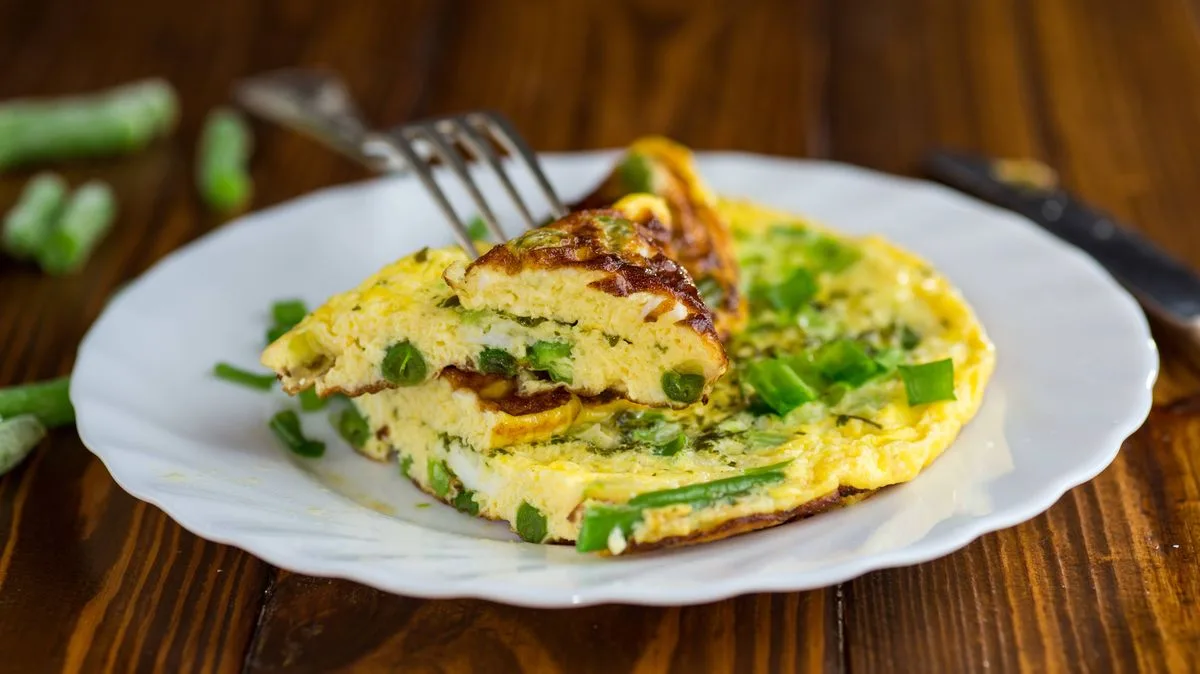
Achieving the perfect omelette—light, smooth and creamy—can be surprisingly tricky. Overcooking leads to a rubbery, dry texture that ruins the dish. Determined to improve her skills, editor Millie Bull consulted several chefs and culinary experts. While their recipes varied, every specialist stressed one essential step: thoroughly beating the eggs before pouring them into the pan.
Henry O'Connor, founder of British egg firm Better Eggs, explained that properly beaten eggs introduce air, creating a light and fluffy consistency. He noted that inadequate whisking is a common mistake. O'Connor also emphasised seasoning the eggs at this stage for full-bodied flavour, and recommended cooking over medium-low heat with butter instead of oil. 'Melt until foamy, then pour in the eggs,' he advised, adding that quick cooking sacrifices texture.
Chef José Pizarro, known as the 'Godfather of Spanish cuisine in the UK', recommends gentle whisking for a silky, natural consistency, warning against over-beating. He seasons with a pinch of salt at this stage. For his 'lazy omelette', he keeps it simple: heat a small non-stick pan with olive oil, pour in lightly whisked eggs, let them set gently, then slide onto the plate without folding.
Sergio Martino, head chef at The Wesley in London, suggests whisking eggs until smooth but not overly frothy. He recommends a straightforward omelette with seasonal mushrooms and Parmesan to let the flavours shine. Barry D'Arcy, a private yacht chef, advises using three lightly beaten eggs at room temperature, a pinch of salt, a tablespoon of crème fraîche and unsalted butter. He stresses technique: heat butter until foaming, pour in eggs, then gently sweep from edges to centre, tilting the pan so liquid flows back out.
All chefs agree that proper whisking is the crucial step for a perfect omelette. Whether you prefer a classic French style or a lazy Spanish version, beating the eggs well—but not excessively—ensures a tender, melt-in-the-mouth result.