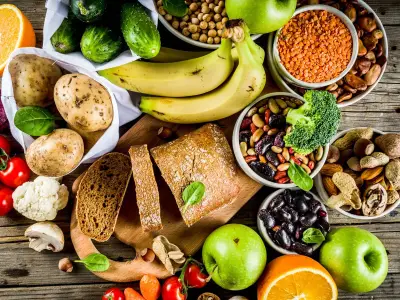
A gastroenterologist trained at Harvard Medical School has identified four specific fruits that can significantly improve digestion and help prevent the uncomfortable feelings of being 'bloated, heavy and sluggish after eating'.
The Four Digestive Power Fruits
In a viral video seen over 100,000 times by his 1.3 million followers, Dr Saurabh Sethi recommended kiwis, papaya, slightly green bananas, and guava for optimal gut function.
He explained that kiwis contain actinidin, a natural enzyme that helps break down proteins in the digestive system. This recommendation is backed by recently published advice suggesting eating two to three kiwifruits daily for at least four weeks can increase bowel movement frequency.

For papaya, Dr Sethi highlighted the enzyme papain, which he described as a remarkable natural digestive catalyst. A 2024 study found this enzyme effectively aided digestion in fish, indicating its potent benefits.
Supporting Your Gut Microbiome
The third fruit, slightly green bananas, are praised for their high content of resistant starch. This starch acts as a prebiotic, feeding the beneficial bacteria in your gut microbiome and helping to keep blood sugar levels stable. A healthy gut microbiome is crucial for supporting not just digestion, but also the immune system and mental health.
Finally, Dr Sethi recommended guava for its impressive fibre and vitamin C content, both of which support smooth and regular bowel movements. The NHS advises adults to consume 30g of fibre daily to aid digestive health.
The Critical Link Between Digestion and Bowel Cancer
Maintaining good digestive health is about more than just comfort. Experts consistently warn that chronic constipation, which affects one in seven UK adults, significantly increases the risk of bowel cancer.
Regular bowel movements minimise the time potential toxins spend in contact with the bowel wall. Colorectal surgeon Mr Haney Yousef told the Daily Mail: 'This is crucial because prolonged contact with harmful substances can damage the delicate lining of our colon and rectum.'
Bowel cancer diagnoses are worryingly on the rise, with a 50 per cent increase in cases among younger adults over the past decade. Each year, over 42,000 Britons are diagnosed, and 17,400 die from the illness. The disease claimed the life of campaigner Dame Deborah James at age 40 in 2022.
Recognising the Subtle Signs
While blood in stool and changes in bowel habits are well-known warnings, Dr Jack Ogden, a GP at The Lagom Clinic in Bristol, highlights other often-overlooked symptoms:
- Iron deficiency anaemia: Presenting as unexplained fatigue, pale skin, or shortness of breath, it can be caused by tumours bleeding.
- Pencil-thin stools: A sudden, unexplained change can indicate a tumour is obstructing the colon.
- Persistent bloating and abdominal discomfort: This may feel like cramping or feeling full very quickly after eating.
Incorporating these four fruits into your diet is a simple, natural step towards better digestive health and potentially reducing long-term risks.