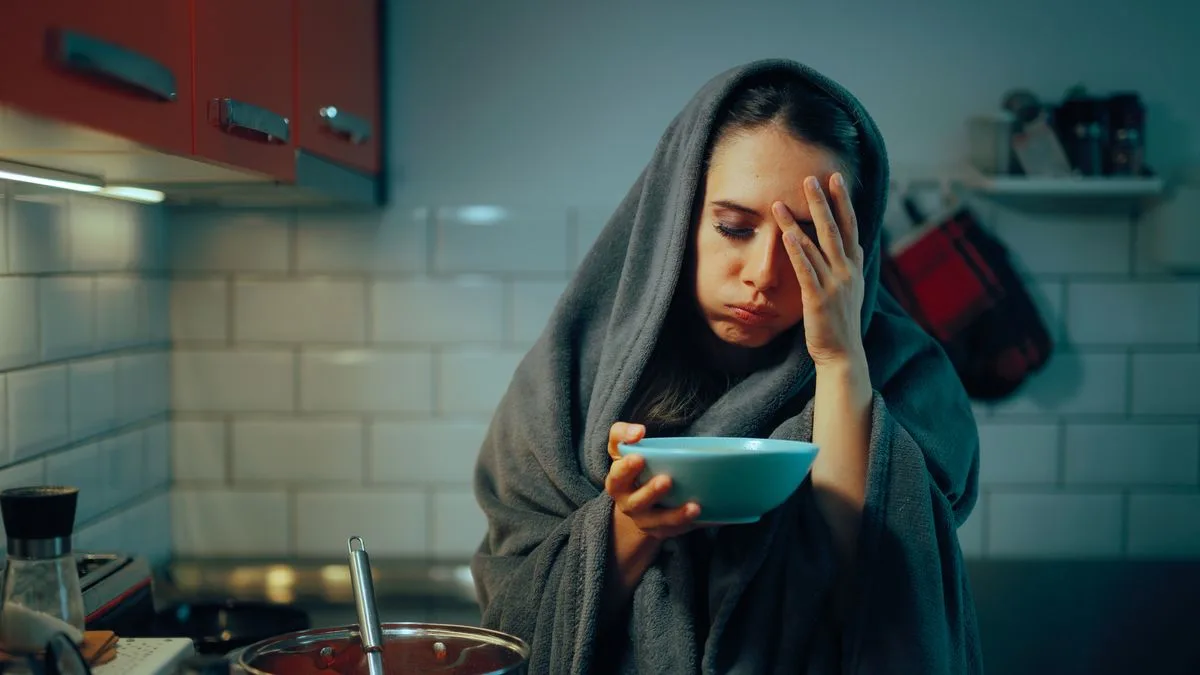
UK Health Alert: Norovirus Surge Prompts 'Stay at Home' Warning and 48-Hour Rule
Norovirus Surge: UK 'Stay at Home' Alert and 48-Hour Rule

The UK Health Security Agency has escalated its public health warnings, issuing a nationwide 'stay at home' alert in response to a significant surge in norovirus cases across the country. This unpleasant gastrointestinal bug, known for causing severe symptoms, has seen a dramatic 47% increase in laboratory reports during the first two weeks of January 2026 compared to late December 2025.

Rising Cases and Hospital Strain

According to the latest figures from the UKHSA, norovirus activity is climbing sharply at the start of the year, with older people particularly affected. The agency reports that this rise, combined with other winter viruses, is placing additional strain on hospital services, leading to more outbreaks in healthcare settings. While overall levels remain within typical seasonal ranges for now, the rapid increase has prompted urgent calls for public vigilance regarding hygiene practices.

Six Key Symptoms to Recognize

The UKHSA has identified six primary symptoms that indicate a possible norovirus infection. These include:

  • Feeling sick (nausea)
  • Diarrhoea
  • Vomiting
  • High temperature
  • Headache
  • Aching arms and legs

The agency emphasizes that these diarrhoea and vomiting bugs are "unpleasant for everyone" and can spread easily through communities.

The Critical 48-Hour Rule

In specific guidance shared via social media platform X, the UKHSA has outlined crucial steps for those who contract the illness. The most important recommendation is the 48-hour rule: individuals should remain at home for a full 48 hours after their symptoms have completely cleared. This measure is designed to prevent further transmission to vulnerable populations.

The agency strongly advises against visiting crowded places during this period, including:

  1. Workplaces
  2. Care homes
  3. Schools
  4. Hospitals

Additionally, infected individuals should avoid preparing food for others to minimize the risk of contamination.

Essential Hygiene Measures

To combat the spread of norovirus within households, the UKHSA recommends several practical hygiene steps:

  • Frequent hand washing with soap and warm water
  • Washing any soiled bedding or clothing at 60 degrees Celsius
  • Regular cleaning of high-touch surfaces including toilet seats, flush handles, taps, and door handles
  • Avoiding shared towels, flannels, cutlery, or utensils
  • Refraining from using swimming pools for at least 48 hours after symptoms stop

NHS Guidance on Recovery and Dehydration

The National Health Service confirms that diarrhoea and vomiting are common across all age groups and are typically caused by stomach bugs like norovirus. According to NHS advice, these symptoms should generally resolve within a few days, with vomiting usually stopping within one to two days and diarrhoea clearing within five to seven days.

The NHS emphasizes that the most important aspect of home treatment is maintaining adequate fluid intake to prevent dehydration. They recommend staying off work or school until you have been free from vomiting and diarrhoea for at least 48 hours, and suggest remaining at home if you have a high temperature or feel too unwell for normal activities.

When to Seek Professional Advice

The NHS advises speaking to a pharmacist if:

  • You or your child (over five years) show signs of dehydration, such as dark, smelly urine or reduced urination
  • You are an older person, have a weakened immune system, or have other health conditions that increase dehydration risk
  • You need to temporarily stop diarrhoea for a few hours

This comprehensive public health response comes as authorities work to contain the norovirus surge during the winter months, with particular attention to protecting vulnerable populations and reducing pressure on healthcare services.




