How romantic it is to imagine cherished recipes being lovingly passed down through generations, with grandmothers bestowing their culinary wisdom like precious heirlooms to fill kitchens with comfort and familiarity. Yet, when we leaf through our mothers' handwritten recipe books—filled with treasures from great-aunts and clippings from vintage magazines—we often find instructions calling for pounds and ounces, and ingredients like margarine and curd cheese that simply don't align with contemporary cooking practices.
What made perfect sense in post-war Britain often fails to resonate in today's era of fan-assisted ovens, modern chef techniques, and abundant ingredient choices. Many of the tips and tricks we've inherited and accepted as gospel truth no longer hold water. Perhaps it's time to separate culinary fact from fiction and embrace updated kitchen wisdom.
The 13 Biggest Cooking Myths Debunked
‘Seasoning’ Means Adding Salt and Pepper
Somehow, we've come to believe that seasoning begins and ends with salt and pepper. While salt is undoubtedly essential—possessing the power to make or break any dish—pepper's role is less absolute. Though it has its place, there are far more exciting ways to elevate flavours. For instance, salt paired with fresh lemon juice can beautifully brighten and sharpen dishes. Looking beyond British shores reveals a world of vibrant seasonings: ground spices like cumin or paprika, aromatic sesame oil, fiery chilli flakes, or complex spice blends such as za'atar and chaat masala.

You Must Always Preheat the Oven
Do I always preheat my oven? Honestly, no—it very much depends on what I'm cooking and how pressed for time I am. The exception is baking, where precision is paramount, and for achieving perfectly medium-rare roast beef. However, for slow-cook roasts, traybakes, caramelised vegetables, or similar dishes, I go straight in. Modern fan-assisted ovens heat up rapidly and efficiently, typically requiring just 8-9 minutes to reach temperature.
Rice Should Never Be Reheated
Let's settle this once and for all: you can safely reheat rice. The issue isn't reheating itself but how the rice is stored. After cooking, rice must be cooled quickly and refrigerated, ideally within an hour. Leaving rice at room temperature too long allows bacteria like bacillus cereus to multiply, and reheating won't eliminate them. So remember: cool rapidly, chill promptly, and reheat until piping hot—and you should encounter no problems.
Add Salt to Boiling Water for Pasta and Vegetables
You've likely heard that pasta water should be 'as salty as the sea.' I consider that wasteful, though adding a generous pinch once the water boils is worthwhile. This lightly seasons the pasta during cooking and proves useful if you plan to use starchy pasta water to emulsify your sauce later. For vegetables, drizzling olive oil and sprinkling flaky sea salt after cooking is probably more effective for seasoning.
Don't Salt Meat and Fish Before Cooking
An old school of thought warned that salting meat ahead of cooking would draw out moisture, resulting in dryness. Times have changed, and most chefs now agree salting actually enhances flavour and texture by allowing salt to penetrate fully, with any initially drawn moisture being reabsorbed. Timing depends on the meat's thickness and fattiness: a beef joint or whole chicken benefits from salting a day in advance, while a lean steak might need only an hour. For fish fillets, salting and leaving them out of the fridge for 20 minutes before cooking is ideal for flavour and firming the flesh.
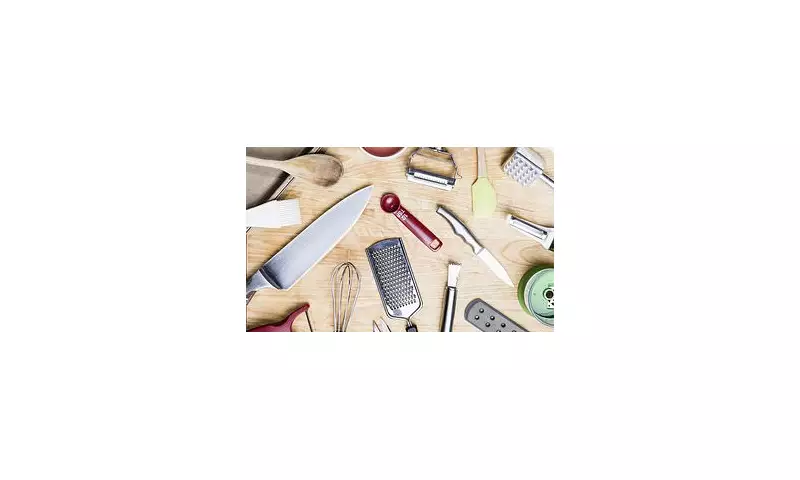
A Great Cook Requires Lots of Kitchen Equipment
Quite the opposite. Despite cluttered drawers, I rely on just a few essentials: a wooden spoon, spatula, grater (ideally a Microplane), measuring spoons, a sieve, and digital scales. Regarding knives, you don't need a full set—one quality 18cm or 20cm chef's knife, a small serrated knife, and a sharp bread knife handle almost every task. Remember: less equipment means less washing up.
Always Add Milk for Fluffy Scrambled Eggs
One of the first lessons in culinary school is to add nothing to scrambled eggs. Milk or cream merely makes them watery. All you need is a small saucepan, a knob of butter, low heat, and a wooden spoon.

Sausages Need Pricking Before Cooking
This myth dates back to World War I, when sausages earned the nickname 'bangers' for bursting open at high heat due to meat shortages forcing butchers to use higher water content. Thankfully, this isn't an issue today, especially with quality sausages (aim for at least 85% meat content).
The Hottest Part of the Chilli Is the Seeds
Actually, it's the white pith holding the seeds, where capsaicin concentrates most. That said, supermarket chillies can be unpredictable—sometimes mild as bell peppers, sometimes intensely fiery. The only reliable method is tasting a tiny piece before cooking to decide whether to include the pith.
Frozen Food Is Inferior to Fresh
Flash freezing revolutionised our eating habits. Clarence Birdseye, of fish finger fame, pioneered the modern frozen food industry in the 1920s. Nutritionally, flash-frozen foods are generally considered equal to fresh, sometimes even superior as they're preserved at peak ripeness. Texture can suffer, however, as freezing expands water, altering food structure upon thawing. Peas fare well, but frozen berries or delicate fish fillets may turn mushy after defrosting.
Always Peel Root Vegetables
Not necessary. Unless the skin is particularly gnarly (like celeriac) or very thick (certain squashes), a thorough scrub suffices. The skin contains much of the fibre, providing another reason to leave it on.
Homemade Is Always Best
Homemade is usually superior but not always. While making items from scratch is brilliant when time allows—pestos, soups, and salad dressings are easy wins that taste better homemade—we're not all trad wives. Labour-intensive foods like puff pastry, tomato ketchup, sourdough bread, and curry pastes have excellent shop-bought alternatives.
Stock Cubes Are a Handy Store Cupboard Ingredient
Stock cubes can be convenient, but quality varies widely. Always check ingredients lists, as many are loaded with salt, starch, palm oils, and flavour enhancers. Whenever possible, opt for fresh stock or bone broth, now widely available. Though pricier, they taste infinitely better and are healthier.
70% Chocolate Is Best for Baking
Save expensive high-cocoa chocolate for eating. For baking, dark chocolate with 50-60% cocoa solids works perfectly. It's usually slightly sweeter, often allowing you to reduce sugar slightly in recipes.