Liverpool Woman's Remarkable 15 Stone Weight Loss Journey
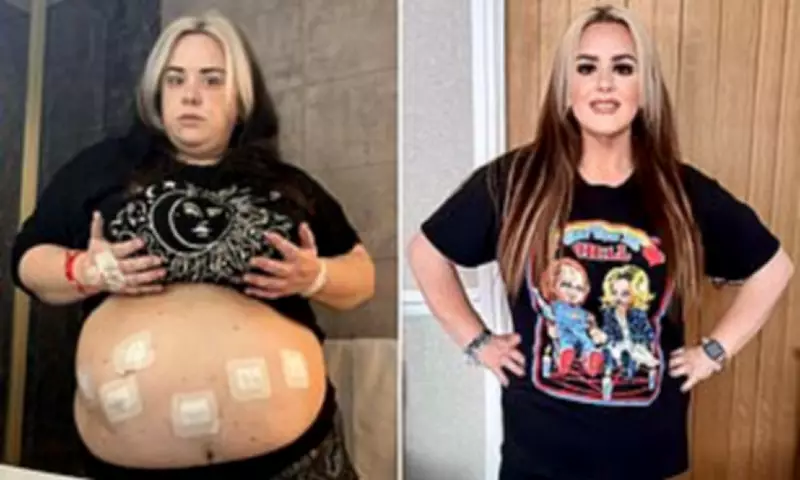
Katie Newell, a 38-year-old from Liverpool, was consuming herself toward an early grave with a diet dominated by ultra-processed, beige foods, chocolate biscuits, and crisps. Her daily routine began with a substantial bowl of sugary cereal and heavily buttered toast, followed by a McDonald's or Greggs lunch, and concluded with a large evening meal. This pattern of excessive eating led her to a staggering 25 stone (158kg/350lbs), forcing her into tent-like UK size 28/30 clothing and leaving her dangerously unwell, pre-diabetic, and struggling to walk properly.
Ms Newell revealed: "I hated myself. I wouldn't be in photos or videos. I avoided mirrors. I felt completely worthless."
Underlying Health Conditions and Medication Challenges
The weight gain was exacerbated by a combination of mental and physical health issues, along with medications known for causing weight gain. Ms Newell suffers from Loin Pain-Haematuria Syndrome (LPHS), an exceptionally rare condition affecting only one in a million people, characterised by severe flank pain and blood in the urine.

"I was on medications renowned for weight gain," she explained. "But I was also a comfort eater. If I was sad, I'd eat. If I was happy, I'd eat more. I was an emotional eater and a secret eater."
The Path to Surgical Intervention
Under the supervision of the weight-loss team at Aintree Hospital in Liverpool, Ms Newell was initially prescribed Mounjaro. However, when funding for this medication was withdrawn, doctors offered her surgery as an alternative. Before approval, she completed eight weeks of specialist weight-loss education classes, where she learned about surgical options, post-operative diets, and essential rules like not drinking with meals and following the "3 20 rule"—taking a 20p-sized bite, chewing for 20 seconds, and waiting 20 seconds before the next mouthful.
After thorough assessments, surgeons recommended a One Anastomosis Gastric Bypass (OAGB), commonly known as a mini gastric bypass, tailored to her eating habits and medical history. This procedure involves creating a small stomach pouch connected to a portion of the small intestine through a single surgical connection, reducing stomach capacity and calorie absorption by bypassing a significant section of the intestine.
Surgery and Recovery Process
The NHS-funded surgery was performed at a private hospital in Manchester on January 18, 2025, lasting approximately ninety minutes. In preparation, Ms Newell adhered to a strict two-week liver reduction diet over Christmas, alongside pre-operative blood tests. This low-carb, low-calorie regimen is designed to shrink the liver, facilitating safer surgery.
Recovery proved challenging, with Ms Newell experiencing pain for the first two to three weeks and discomfort from the air used to inflate her abdomen during the procedure. "It was painful for the first two to three weeks," she recalled. "The air they use to blow up your tummy is uncomfortable, but other than that, it was manageable." Full healing took about three months.
Life-Altering Transformation and Health Improvements
Since the surgery, Ms Newell has lost an incredible 15 stone in just twelve months, now weighing 11 stone 6 pounds. This dramatic weight loss has eliminated her pre-diabetic status and alleviated some aches and pains in her back and hips. She believes the transformation has saved her life, both physically and mentally, and expresses profound gratitude for the NHS funding, noting that such procedures can cost up to £21,000, including follow-up appointments with dietitians, psychologists, surgeons, and nurses for up to three years.
"I was incredibly fortunate to receive funding from the NHS," she emphasised.

Social Stigma and Personal Struggles
Before her surgery, Ms Newell faced significant social stigma, particularly during a family holiday to Silverdale in Lancashire, where she endured dirty looks and gawping stares from the public. "I could feel people staring," she said. "I remember being on holiday with my nieces and nephews; we'd just bought ice creams and sat down. An older man looked over at me with disgust, said something to his wife about my size and weight, and then the two of them got up and walked away."
Her health had deteriorated to the point where she could hardly walk, became super depressed, and withdrew from social activities, feeling completely worthless.
Post-Surgery Challenges and Dietary Changes
The journey has not been without difficulties. Ms Newell experienced severe vomiting as a side effect, at one point being sick up to twelve times daily. Although this has become more manageable, she still vomits occasionally. Her diet has radically changed due to the reduced stomach size, limiting her to one small meal daily to avoid sickness. A typical day now includes soup and fruit in the afternoon and a small evening meal of meat and vegetables.
"You have to change your whole relationship with food," she advised. "Whatever method you choose, it's a tool, you still have to work at it."
Newfound Confidence and Practical Advice
The transformation has astonished her friends and family, with many no longer recognising her. Ms Newell now feels comfortable having her photo taken and no longer avoids mirrors. She encourages others considering weight loss to consult their doctors, highlighting various options such as gym passes, Slimming World, referrals to weight-loss teams, medication, and surgery.
However, she notes an unexpected downside: "Nobody prepares you for how often you have to buy new underwear. It's literally every other week. I've spent at least £300 on new underwear."
Despite the challenges, Ms Newell's story stands as a testament to the life-changing potential of weight loss surgery and the crucial support provided by the NHS.