Biomechanist Advocates for Backwards Walking to Revolutionise Fitness Routines
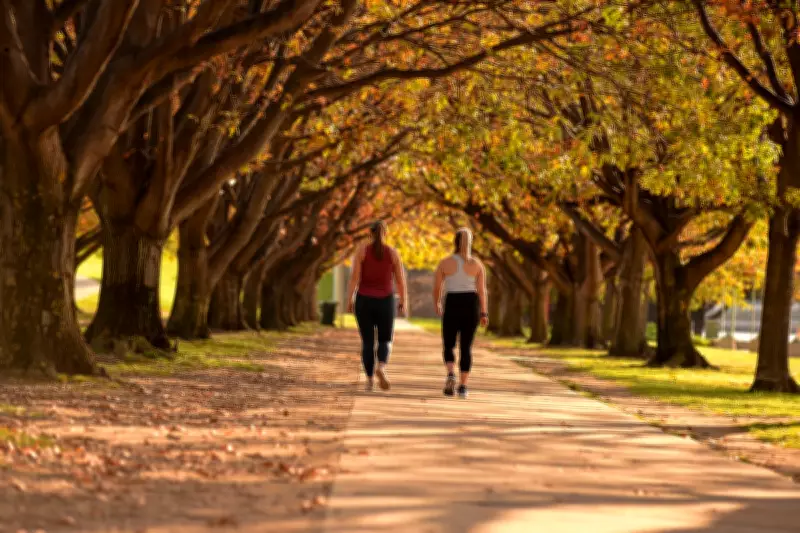
Looking to inject new life into your exercise regimen? According to biomechanics experts, the solution might be as simple as turning around and walking backwards. This unconventional approach, known as retro walking, offers a powerful way to challenge the body and mind while delivering significant health benefits.
The Science Behind Reverse Locomotion
While forward walking provides excellent cardiovascular exercise, strengthens bones, builds muscle, and reduces stress, its repetitive nature can lead to monotony and potential overuse injuries. Janet Dufek, a prominent biomechanist at the University of Nevada, Las Vegas, has extensively researched movement mechanics and personally incorporates backwards walking into her fitness routine.
"I observe numerous people in my neighbourhood who walk regularly, which is beneficial," Dufek notes. "However, they consistently stress the same structural elements repeatedly. Introducing backwards walking adds a cross-training component, creating a subtly different activity that engages the body in novel ways."

Research indicates that reverse locomotion can significantly increase hamstring flexibility, strengthen typically underutilised muscles, and provide cognitive stimulation as the brain adapts to unfamiliar movement patterns and postures.
Practical Implementation: From Treadmills to Outdoor Walks
Personal trainer Kevin Patterson from Nashville, Tennessee, recommends using treadmills for safe retro walking practice. "The treadmill offers excellent safety features for older clients, with side handles that substantially reduce fall risks," Patterson explains. He often employs the "dead mill" technique, turning off the treadmill and having clients propel the belt themselves to build strength and control.
For outdoor implementation, Dufek suggests beginning with just one minute of backwards walking during a ten-minute forward walk, gradually increasing duration and distance as comfort improves. Partner walking provides additional safety: face each other, potentially clasp hands, with one person walking backwards while the other moves forward and monitors for obstacles before switching positions.
"Initially, proceed extremely slowly because there's both balance accommodation and brain retraining occurring," Dufek advises. "You're essentially learning a new skill while engaging muscles in completely different ways than forward walking."
Cross-Training Benefits and Injury Prevention
Dufek classifies backwards walking as a valuable form of cross-training that helps prevent overuse injuries by varying stress patterns on muscles and joints. While traditional cross-training might involve alternating between running, swimming, and strength training, retro walking provides similar benefits on a micro level within walking itself.
"Consider footwear variations," Dufek illustrates. "As an avid runner, I never wore the same running shoes two consecutive days. Different wear patterns and designs provided slightly varied stresses to my system. Backwards walking operates on the same principle, introducing beneficial variation to movement patterns."
Rehabilitation Applications and Athletic Integration
Physical therapists frequently incorporate backwards walking into rehabilitation programs, particularly for knee injury recovery and post-surgical rehabilitation. "Retro walking differs substantially from forward walking in both force application and movement patterns," Dufek explains. "Instead of heel-first strikes, you land gently on the forefoot, often without heel contact, which reduces knee joint range of motion and allows activity without excessive joint stress."
Additionally, backwards walking stretches hamstring muscles and may improve balance while reducing fall risks in older adults by activating multiple sensory systems simultaneously.
This movement pattern comes naturally to many athletes. Basketball, soccer, and American football players regularly incorporate backwards running into their training and gameplay. "During my basketball career, I spent approximately forty percent of defensive play running backwards," Dufek recalls, highlighting the movement's athletic relevance.

For those seeking ultimate challenges, some enthusiasts have even completed full marathons walking or running backwards—covering the traditional 26.2 miles or 42.2 kilometres in reverse. Whether as rehabilitation, cross-training, or athletic development, backwards walking offers a scientifically supported method to enhance fitness while preventing injury through movement variation.