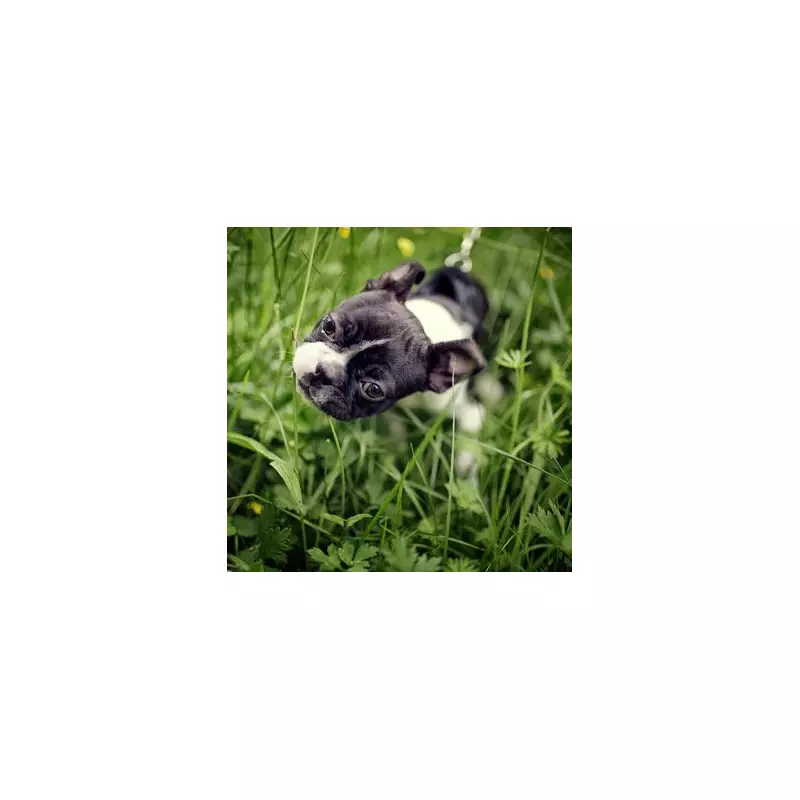
Veterinarian Explains Why Dogs Eat Grass and When to Take Action
Many dog owners have observed their pets munching on grass during walks or in the garden, often wondering whether this behaviour signals an underlying health issue. Veterinary expert Nicole Rous has provided a detailed explanation of this common canine habit, outlining four primary reasons why dogs eat grass and clarifying when it should become a cause for concern.
The Four Common Reasons Behind Grass Consumption
In a recent social media presentation, Dr Nicole Rous, known professionally as @drnicolerous.vet, identified four key motivations that typically drive dogs to eat grass. She emphasised that while this behaviour is generally normal, understanding the specific reasons can help owners respond appropriately to their pet's needs.
- Boredom and Natural Curiosity: "Dogs are inherently curious animals who frequently explore their environment through taste and texture," explained Dr Rous. "Nibbling on grass can simply represent their way of investigating the world around them, particularly when they lack sufficient mental stimulation."
- Ancestral Dietary Behaviour: The veterinarian suggested that grass eating might connect to evolutionary patterns. "This behaviour potentially originates from canine ancestors who consumed plant material as part of their natural diet, possibly seeking additional fibre sources that supported digestive health," she noted.
- Digestive Discomfort: "One reason that particularly concerns pet owners involves dogs eating grass to soothe gastrointestinal upset or deliberately induce vomiting," Dr Rous explained. "If your dog frequently consumes grass while appearing uncomfortable or distressed, consulting your veterinarian becomes essential to rule out underlying medical conditions."
- Nutritional Deficiencies: The final reason involves dietary imbalances. "Dogs may instinctively eat grass—or occasionally soil—in search of trace minerals missing from their regular meals," the veterinarian clarified. "This behaviour could indicate that their current diet lacks certain essential nutrients."
When Grass Eating Becomes Problematic
Dr Rous provided clear guidance about when owners should transition from observation to action. "If your dog only occasionally nibbles grass while maintaining otherwise excellent health and normal behaviour patterns, there's typically no immediate cause for alarm," she advised. "However, when grass eating develops into a frequent, compulsive habit, scheduling a veterinary consultation represents a prudent precautionary measure."

The veterinarian stressed that persistent grass consumption combined with signs of discomfort, vomiting, diarrhoea, or behavioural changes warrants professional assessment to identify potential health issues requiring intervention.
Real-World Experiences from Dog Owners
Following Dr Rous's explanation, numerous pet owners shared their personal observations about their dogs' grass-eating habits, illustrating the diverse contexts in which this behaviour occurs.

- One German Shepherd owner described their dog's ritualistic behaviour: "My GSD incorporates grass eating into her swimming routine—she completes several pool laps, then walks around the perimeter, grabbing grass strands through the fence during her circuit."
- A Jack Russell owner connected grass consumption to health management: "My five-year-old dog occasionally eats grass to soothe his stomach during inflammatory bowel disease flare-ups. When I notice him eating grass, I recognise he's experiencing discomfort and needs monitoring."
- Another owner emphasised individual preference: "My dog simply enjoyed the taste of specific grass varieties. He selectively ate buffalo grass despite having excellent blood work and a balanced diet—he just developed particular culinary preferences."
- Social influences also emerged in observations: "I'm convinced my dogs eat grass partly as social behaviour. When I interact with grass in the garden, they frequently join me and begin grazing alongside me."
- Dietary challenges were noted by a Groodle owner: "My nearly two-year-old mini Groodle frequently eats grass despite my efforts to provide fresh food including meat, vegetables, and fruit. She remains particularly fussy, rejecting even carrot sticks, bananas, and celery."
These varied accounts demonstrate that grass eating occurs across different breeds, ages, and circumstances, reinforcing Dr Rous's message that context and frequency matter more than the behaviour itself.
Practical Guidance for Concerned Owners
Dr Rous concluded with actionable advice for dog owners. Monitoring your pet's overall behaviour patterns proves more valuable than focusing exclusively on grass consumption. Notice whether eating grass coincides with other symptoms like lethargy, appetite changes, or digestive issues. Ensure your dog receives nutritionally complete meals appropriate for their life stage and health status. Provide adequate physical exercise and mental enrichment to address potential boredom-related grazing.
Most importantly, maintain regular veterinary check-ups and discuss any behavioural changes during consultations. "Understanding why your dog eats grass helps you respond appropriately—whether that means providing more stimulation, adjusting their diet, or seeking professional medical advice," summarised Dr Rous. "Observation and context remain your most valuable tools in distinguishing normal curiosity from potential health indicators."