
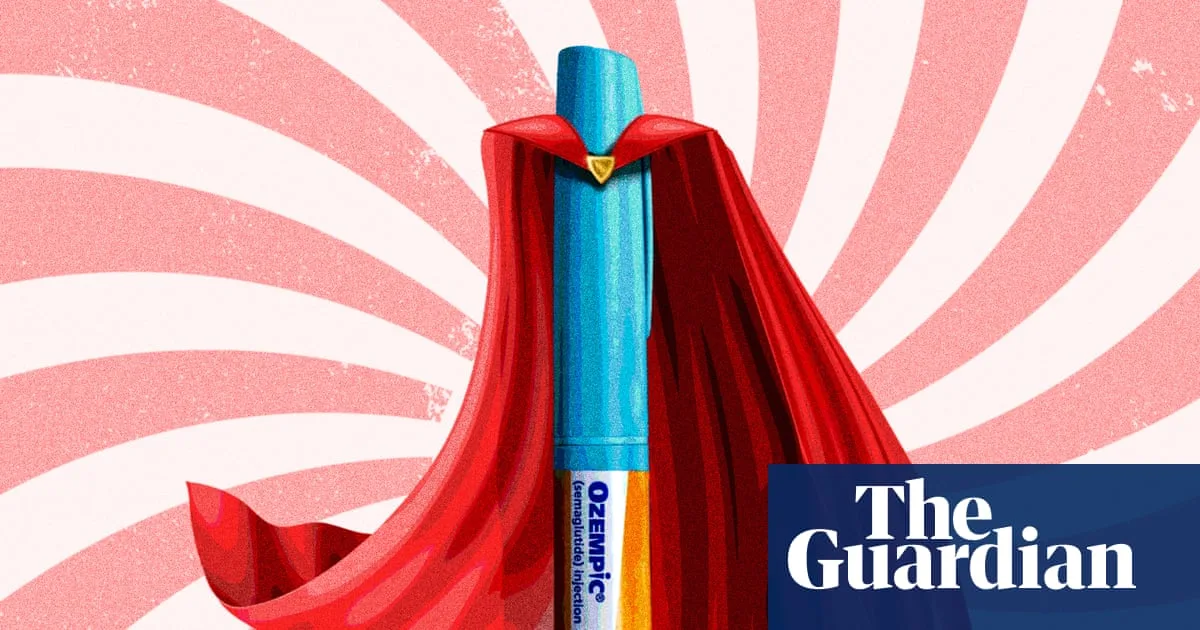
A new class of appetite-suppressing drugs, including Ozempic and Wegovy, is transforming obesity treatment and sparking a healthcare revolution. Once considered a Cinderella subject in medicine, obesity is now at the forefront of scientific excitement and commercial success, according to findings presented at the European Congress on Obesity (ECO) in Málaga this week.
The drugs, originally developed for diabetes, mimic hormones such as GLP-1 and have shown dramatic weight loss effects. Eli Lilly’s Mounjaro, which targets two hormones, led to an average 20% body weight loss after 72 weeks in a head-to-head trial. Researchers like Prof Susan Jebb of the University of Oxford noted that these drugs have energised the field after decades of struggle.
Beyond weight management, studies suggest broader health benefits. A January study indicated that weight-loss jabs could reduce the risk of 42 diseases, including heart disease, cancer, Alzheimer’s, and psychiatric conditions. A phase 3 trial found semaglutide could halt or reverse fatty liver disease (MASH) even in patients with minimal weight loss, suggesting weight-independent effects.
Further trials showed that the drugs nearly halved the risk of obesity-related cancers and may improve mental health by acting on the brain’s reward system. Dr Toby Pillinger, a psychiatrist at King’s College London, described them as a “Swiss army knife of medicines,” with potential applications in addiction and binge-eating disorders.
However, concerns remain about weight regain after stopping the drugs, as data on long-term effects are limited. The findings at ECO underscore the need for further research, but experts agree that the drugs have already transformed metabolic medicine and hold promise for psychiatry.




