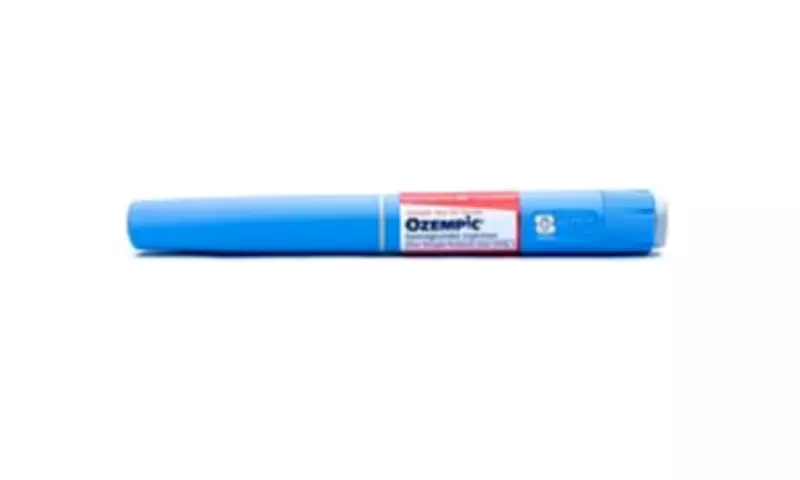
Medical professionals are raising concerns that the growing popularity of weight-loss injections may be contributing to a significant rise in gallbladder removal surgeries across England. New NHS figures reveal that 80,196 gallbladder operations were performed in the 2024-25 period, marking the highest annual total in ten years and representing a substantial 15 per cent increase compared to the previous year.
Surgeons Observe Patient Trends
Ahmed Ahmed, a prominent surgeon and president of the British Obesity and Metabolic Specialist Society, has reported that an increasing number of his patients undergoing these procedures disclose they have used weight-loss jabs. "More and more of my patients having these operations tell me they have taken weight loss jabs," Mr Ahmed stated, highlighting a pattern that warrants closer investigation.
Understanding GLP-1 Receptor Agonists
The medications in question, known as GLP-1 receptor agonists, were originally developed to manage type 2 diabetes. They function by mimicking the GLP-1 hormone to help regulate blood sugar and insulin levels. Several of these drugs, including semaglutide (marketed as Wegovy) and tirzepatide (sold as Mounjaro), are now recommended on the NHS to assist with weight loss.

However, a recognised side-effect of these treatments is an elevated risk of developing gallstones. These are hardened deposits of digestive fluid that can form in the gallbladder. It is important to note that other factors, such as rapid weight loss itself, a diet low in fibre and high in fat, and obesity, are also established contributors to gallstone formation.
A Need for Clarification and Research
Mr Ahmed emphasised the current ambiguity surrounding the direct cause. "We don't know whether it's the injections that are causing the gallstones, or is it because the injections are causing rapid weight loss, which then in turn causes the gallstones? Clearly this area needs further research to find out if it's causative or not."
This sentiment is echoed by James Hewes, a consultant surgeon based in Bristol who specialises in obesity and bariatric surgery. "Anecdotally, we are seeing more patients presenting with gallstones," he said. "Often, it's difficult to know if that's related to the injection, or whether they had them originally but weren't assessed properly beforehand."
Regulatory Updates and Manufacturer Stances
The discussion follows recent updates from the medicines regulator. The Medicines and Healthcare products Regulatory Agency (MHRA) has revised its guidance on GLP-1 receptor agonists to include the small risk of severe acute pancreatitis, a known but infrequent side-effect that can be extreme in some cases. The NHS notes that gallstones are one of the leading causes of pancreatitis.
Pharmaceutical companies have addressed the gallstone risk in their product information. Eli Lilly, the manufacturer of Mounjaro, stated that its patient leaflet warns gallstones are a common side-effect when the drug is used for weight management, potentially affecting up to one in ten people. The company added that gallbladder issues are less common when the drug is used for type 2 diabetes.
A spokesman for Novo Nordisk, maker of Wegovy, said GLP-1 drugs "are a well-established class of medicines, which have been studied rigorously in clinical trials." The company reported that acute gallstone disease was noted in 1.6 per cent of patients in trials, with 0.6 per cent developing cholecystitis (gallbladder inflammation). Consequently, this potential adverse reaction is listed as 'common' in the UK product summary for Wegovy.
As the use of these effective weight-loss treatments continues to expand, the medical community underscores the importance of patient awareness regarding potential side-effects and the necessity for ongoing research to fully understand the relationship between these medications and gallbladder health.