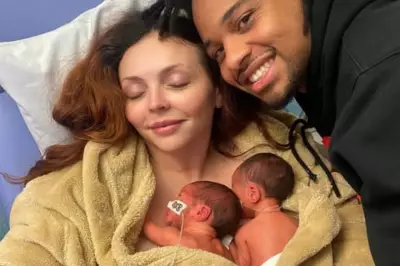
Molly Brown endured nearly a decade of heart-wrenching fertility struggles, experiencing eight miscarriages and undergoing multiple hormone treatments while maintaining a strict plant-based diet. The 43-year-old from Reno, Nevada, alongside her husband Zach Hosny, 34, had committed to vegetarian and vegan eating for years, believing it supported their health despite the emotional toll of repeated pregnancy losses.
A Radical Dietary Shift
After exhausting conventional fertility approaches, Brown made a dramatic nutritional pivot in early 2025. Inspired by discussions on carnivore-focused podcasts, she abandoned her decade-long vegan regimen and embraced a diet centred on animal proteins. "I thought 'I've tried everything else, let's try something in that direction,'" Brown explained, referencing her decision to explore meat consumption despite previous concerns about digestion and food quality.
The Carnivore Daily Menu
Brown's new eating pattern featured substantial animal products at every meal:

- Breakfast: Three eggs cooked in butter with bacon
- Lunch: Ground beef stir-fry
- Dinner: Steak with butter and vegetables
While she continued consuming some vegetables, animal-based proteins became the cornerstone of her nutrition, providing what she believes were crucial fertility-enhancing nutrients.
Scientific Perspective on Nutrition and Fertility
Reproductive health specialists note that animal proteins deliver essential nutrients for conception and fetal development:
- Vitamin B12: Supports egg quality and maturation
- Iron: Helps maintain regular menstrual cycles
- Zinc: Contributes to hormonal balance
- Choline: Critical for fetal brain development
Foods like grass-fed beef, wild-caught salmon, eggs, and organ meats are particularly rich sources of these fertility-supporting compounds. Brown acknowledges the limitations of personal experience, stating, "I can't say this [eating meat] is exactly what helped me – I'm not a scientist or a doctor – but I think it did."
A Miraculous Conception Against the Odds
Remarkably, within months of reintroducing meat, Brown conceived naturally with twins – a statistical rarity for a 43-year-old woman, whose monthly chance of natural conception resulting in healthy birth sits at approximately two percent or lower. "After eight miscarriages and conceiving these babies naturally at the age of 43, I feel like they are supposed to be on earth with us," she reflected.
High-Risk Pregnancy and Medical Intervention
The pregnancy journey proved challenging, with Brown developing Twin-to-Twin Transfusion Syndrome (TTTS) at 17 weeks. This rare complication affects twins sharing a placenta, creating dangerous nutrient imbalances between them.
Doctors performed an emergency laser procedure within the womb to seal abnormal blood vessels and restore equilibrium. Brown underwent weekly monitoring throughout her remaining pregnancy before delivering twin boys Zander and Ryder via Caesarean section at eight months gestation – the typical timeframe for twin births.
Healthy Arrivals Despite Complications
At birth, Zander weighed 4.5 pounds while Ryder measured 2.5 pounds. Both infants spent several weeks in neonatal intensive care to gain weight but emerged strong and healthy. "It was pretty intense, after a pretty intense pregnancy, but they were both born healthy," Brown reported, adding, "They are both sweet boys. I love being their mother."
Nutritional Debates and Modern Guidelines
While carnivore diet advocates promote meat-heavy regimens, medical professionals caution against excessive red meat and saturated fat consumption, citing established cardiovascular risks. Recent federal dietary guideline revisions have elevated meat and animal proteins within nutritional recommendations, though their practical impact remains uncertain given historical public disregard for fruit and vegetable intake advice.

Contemporary guidance for prospective mothers emphasises balanced consumption of thoroughly cooked, high-quality meats within varied diets, prioritising lean cuts. Brown's extraordinary story highlights the complex interplay between nutrition, reproductive health, and individual biochemistry, offering hope to others facing similar fertility challenges while underscoring the importance of personalised medical and nutritional consultation.