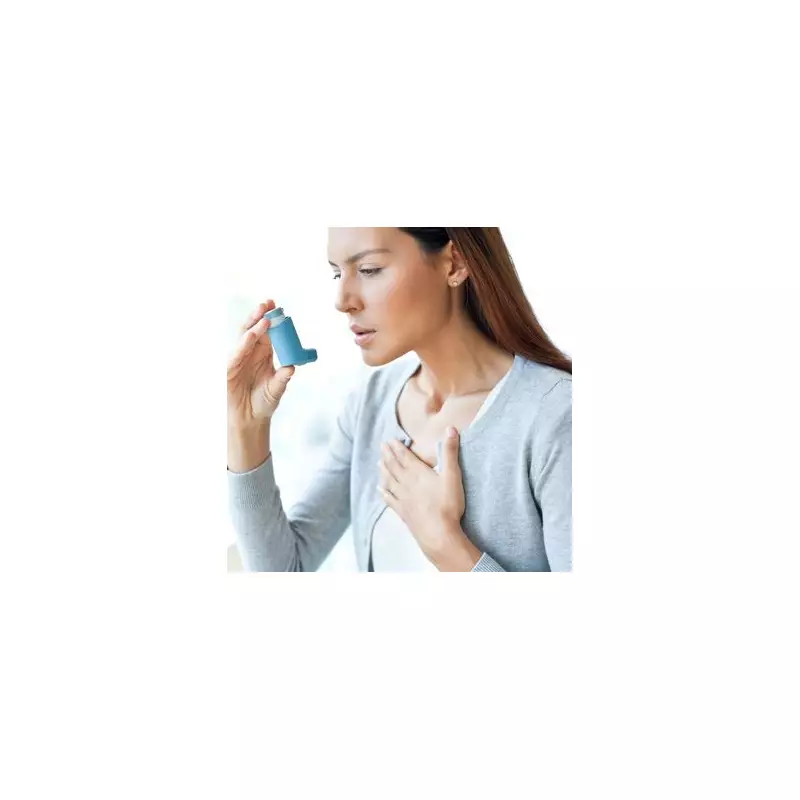
A senior health expert has issued an urgent winter warning to the millions of people in the UK living with asthma, as freezing temperatures grip the nation. The alert comes directly from an NHS GP who also works with LloydsPharmacy Online Doctor, Dr Neel Patel.
Why Winter Poses a Severe Threat to Asthma Sufferers
According to the NHS, asthma is a common lung condition that affects breathing and currently impacts an estimated 7.2 million people across the UK – roughly eight in every 100 individuals. While there is no cure, symptoms like wheezing, breathlessness, and chest tightness are typically managed with medication like inhalers.
Dr Patel warns that the current severe cold spell, with Met Office warnings for snow and ice, creates a perfect storm for triggering symptoms. "Cold, dry air can irritate your airways, worsening symptoms like wheezing, coughing and breathlessness," he explains. This irritation can cause airways to narrow and increase mucus production, making it significantly harder to breathe.

Furthermore, cold air can weaken the immune system in the nose, making it easier for respiratory viruses like colds and flu to take hold. Combined with more time spent indoors where infections spread easily, and lower winter vitamin D levels, the risk of a serious asthma attack escalates.
Exercise-Induced Bronchoconstriction: The Little-Known Risk
For those determined to keep up with New Year fitness resolutions in the cold, Dr Patel highlights a specific and often unrecognised danger: Exercise-Induced Bronchoconstriction (EIB). A survey by LloydsPharmacy Online Doctor found that 76% of Brits have never heard of EIB.
"While up to 90% of people with asthma also have EIB, you may experience EIB even if you don’t have asthma," says Dr Patel. It's caused by a loss of heat and moisture from the airways during exercise, particularly in cold, dry air.
Symptoms, which can appear minutes after starting activity, include wheezing, chest tightness, reduced endurance, cough, and even a sore throat or upset stomach. Triggers range from outdoor sports in cold or polluted air to indoor activities in chlorinated pools or gyms with chemical fumes.
Essential Tips for Managing Asthma in the Cold
Dr Patel emphasises that people should not avoid going outside but must take sensible precautions. His key advice for staying active and safe this winter includes:
Take controller medicines: Always use your daily preventative medication as directed by your doctor.
Keep your reliever inhaler close: Have your quick-relief inhaler immediately to hand and use it at the first sign of symptoms.
Warm the air you breathe: Try to breathe in through your nose and out through your mouth. If you have a cold, loosely wrapping a scarf over your nose and mouth can help warm the air before it enters your lungs.
He also stresses the importance of recognising a serious asthma attack. Signs of an emergency include quick, gasping breaths, difficulty speaking in full sentences, lips or nails turning blue, and your inhaler providing little relief.
If you suspect you have EIB or find your asthma significantly harder to manage in the cold, consult your GP. Diagnosis may involve breathing tests and can lead to an effective treatment plan, allowing even elite athletes with the condition to perform without restraint.