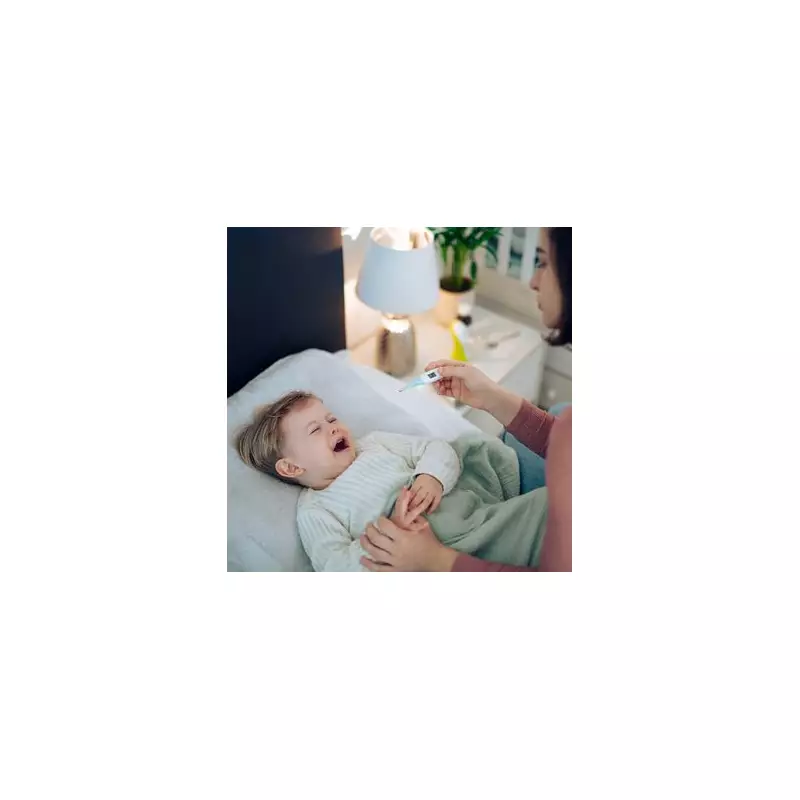
The UK Health Security Agency has issued a significant health alert concerning croup, a prevalent respiratory condition that predominantly affects infants and young children. In a detailed social media communication, the public health body has emphasised the importance of parental awareness regarding this seasonal illness.
Understanding Croup: A Common Childhood Respiratory Condition
Croup represents a viral infection that specifically targets the upper airways, including the windpipe, voice box, and bronchial passages. While adults can contract the viruses responsible for croup, the condition manifests most severely in younger children due to their narrower airways.
Primary Causes and Transmission Methods
The condition primarily stems from viral infections, with parainfluenza virus being the most frequent culprit. However, other common respiratory pathogens including influenza, rhinovirus (common cold), and respiratory syncytial virus (RSV) can also trigger croup symptoms.

Transmission occurs through multiple pathways:
- Direct personal contact with infected individuals
- Contact with contaminated surfaces
- Inhalation of respiratory droplets from coughs or sneezes
In exceptional circumstances, croup may develop from non-viral causes including inhalation of foreign objects, severe allergic reactions, or exposure to chemical irritants.
Recognising Croup Symptoms: What Parents Should Monitor
The UKHSA highlights that croup typically begins with mild cold-like symptoms including nasal congestion, mild cough, and low-grade fever. Within a few days, distinctive symptoms emerge that differentiate croup from ordinary respiratory infections.
Key Symptom Indicators
Parents should be particularly alert for these characteristic signs:
- A distinctive barking cough often compared to a seal's vocalisation
- High-pitched, rasping sounds during inhalation (medically termed stridor)
- Noticeable hoarseness or voice changes
- Visible breathing difficulties or respiratory distress
Important note: Symptoms frequently intensify during nighttime hours due to physiological factors including hormonal cycles, recumbent positioning, and cooler air temperatures that collectively exacerbate airway inflammation.
Demographic Patterns and Seasonal Considerations
Croup demonstrates clear demographic patterns, with the majority of cases occurring in children between six months and three years of age. Statistical data indicates that one-year-olds represent the most frequently affected age group.
The condition follows distinct seasonal patterns, with late autumn and early winter representing peak incidence periods. Parents should note that children can experience multiple croup episodes, as infection with one viral strain doesn't confer immunity against others.
When to Seek Medical Assistance
While many croup cases resolve spontaneously within 48 hours, the UKHSA provides clear guidance regarding medical consultation.
Immediate Action Required
Contact NHS 111 or your general practitioner if you suspect your child has developed croup. However, emergency services should be contacted immediately if any of these serious symptoms appear:
- Visible breathing struggles or respiratory distress
- Blue, grey, pale, or blotchy skin discolouration
- Unusual sleepiness or difficulty waking
- Limpness, unresponsiveness, or unusual quietness
- Severe agitation combined with breathing difficulties
- Excessive drooling, swallowing problems, or refusal to lie down
Home Management Strategies for Mild Cases
For confirmed mild croup cases, several evidence-based approaches can provide symptom relief:

- Maintain an upright sitting position rather than allowing lying down
- Provide comfort and reassurance to minimise crying (which exacerbates symptoms)
- Ensure adequate fluid intake to prevent dehydration
- Implement regular monitoring, including nighttime checks
- Administer appropriate doses of paracetamol or ibuprofen for fever management
Preventative Measures and Vaccination Opportunities
The UKHSA emphasises that vaccination represents the most effective preventative strategy against several viruses that can cause croup. Current seasonal vaccination programmes target influenza and RSV, with eligibility extending to:
- Pregnant women
- Young children
- Individuals with specific chronic health conditions
- Adults aged 65 years and above
Important Safety Advisory
Health authorities specifically warn against traditional steam inhalation methods, which lack scientific evidence of efficacy and present scalding risks. This approach is no longer recommended in clinical guidelines.
Return to Educational Settings
Children may return to nursery or school once fever has resolved and they feel sufficiently well to participate in normal activities. Persistent cough without fever doesn't necessarily require exclusion, but children should remain home if they exhibit fever, lethargy, or breathing difficulties.
The UKHSA's comprehensive guidance aims to equip parents with essential knowledge to identify, manage, and prevent this common but potentially concerning childhood respiratory condition.