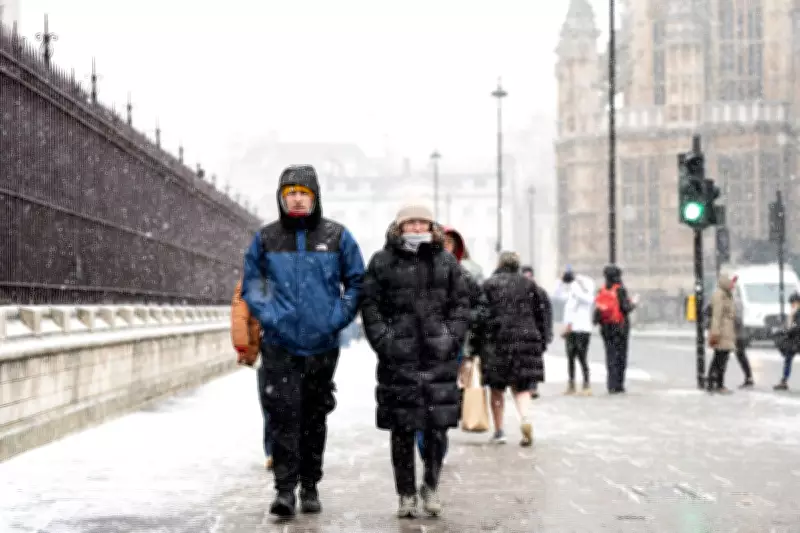
UK Cold Weather Deaths Hit 2,500 as Pensioners Face Heating Crisis
Official data has exposed a devastating toll from freezing temperatures across the United Kingdom, with campaigners warning that vulnerable pensioners are bearing the brunt of a deepening fuel poverty emergency. Figures published for the first time by the UK Health Security Agency reveal that 2,500 deaths were directly linked to cold weather during the winter of 2024-25.
Hundreds Perish in Their Own Homes
The stark statistics show that 864 of these fatalities occurred within people's own residences, highlighting what campaigners describe as the "awful reality" of elderly individuals trapped in cold, damp, and inadequately heated properties. Experts from the UKHSA suggest that a combination of poor home insulation, lack of affordable heating, limited access to healthcare, and insufficient awareness of cold weather risks contributed significantly to these preventable deaths.
The most severe impact was observed among those aged over 85, with the majority of deaths concentrated during a particularly harsh six-day cold snap in January 2025. This period coincided with an amber cold health alert across England, which warned of likely significant strain on health services and an increased mortality risk for those aged 65 and over or with pre-existing health conditions.

Campaigners Point to Policy Failures
Simon Francis, coordinator of the End Fuel Poverty Coalition, stated that the data "lays bare the awful reality that far too many pensioners are still trapped in cold, damp homes that put their health and lives at risk." He attributed the crisis to volatile gas prices, substandard housing quality, and a critical lack of adequate government support.
Francis specifically highlighted the controversial decision to remove Winter Fuel Payments from many pensioners during 2024-25, which he described as having "deadly consequences." The government initially planned to strip approximately 10 million pensioners of the £300 payment, restricting it only to those receiving pension credits or other means-tested benefits, before reversing course in May 2025 following widespread public backlash.
Detailed Analysis of Cold Episodes
The UKHSA report examined three distinct cold weather episodes from the previous winter. The first was a two-day snap on November 20-21, 2024, followed by another two-day period on January 2-3, 2025. The most severe event lasted six days from January 7-12, 2025, accounting for 1,630 of the total 2,544 cold-associated deaths identified.
Circulatory diseases, such as heart conditions, were responsible for the highest number of cold-related fatalities, with 834 deaths linked to these issues. The report also noted that cold-associated deaths were recorded in all UK regions except the North East, indicating a widespread national problem.
Long-Term Vulnerability on the Rise
Alarmingly, the analysis compared data from the five-year period leading up to 2024-25 with figures from 2013-14 to 2017-18. Researchers found that vulnerability to cold weather episodes has increased in recent years, with low temperatures now associated with a more rapid rise in mortality. This trend may be influenced by factors such as changes in influenza season severity and growing socioeconomic pressures.
Dr. Agostinho Sousa, head of extreme events and health protection at UKHSA, emphasized that "cold weather remains a serious and preventable risk to public health." He noted that even short periods of cold can lead to significant increases in mortality, often occurring days or weeks after temperatures drop.
The End Fuel Poverty Coalition is now urging ministers to treat fuel poverty as a "public emergency" and calling on Health Secretary Wes Streeting to prioritize tackling cold homes. This new dataset marks the first time the UKHSA has published figures linking deaths directly to cold weather, having previously focused on heat-related fatalities, underscoring the growing recognition of cold as a major public health threat.