
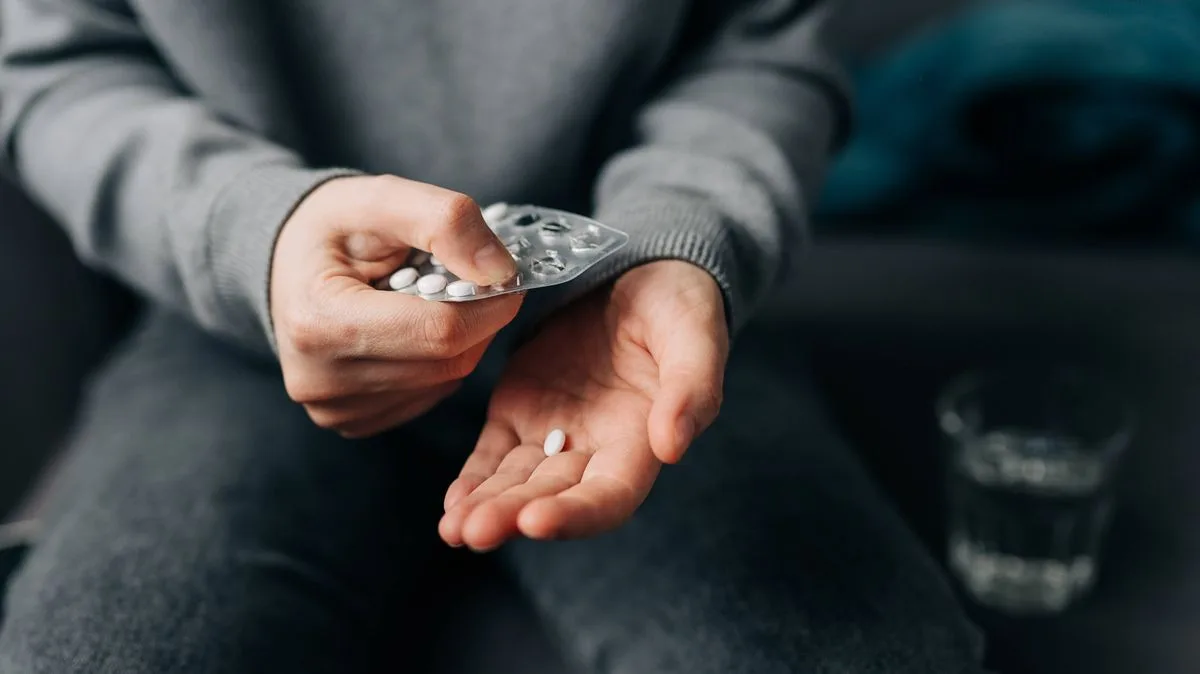
The use of medication to treat ADHD has tripled in the UK over the past decade, with the sharpest increase seen among adult women, new research shows. The proportion of people taking ADHD medication rose from 0.12% in 2010 to 0.39% in 2023, according to a study led by the University of Oxford.
Among adults over 25, the increase was even more dramatic: rates jumped from 0.01% in 2010 to around 0.2% in 2023, representing a more than 20-fold increase among women and a 15-fold increase among men in this age group. The UK saw the largest proportional rise of the five countries studied, which also included Belgium, Germany, the Netherlands, and Spain.
The researchers analysed prescription data from nearly 200,000 people, including over 31,000 in the UK. Writing in The Lancet, they noted a 'dramatic rise' in ADHD medication use among adults, particularly women, reflecting increased awareness of adult ADHD. They also found that over 70% of UK adults over 25 in the study had previously used antidepressants.
Methylphenidate—sold under brands including Ritalin and Concerta—was the most commonly prescribed ADHD treatment across all nations. The study also highlighted a global shortage of ADHD medications since September 2023, urging better understanding of prescribing patterns to predict demand and prevent future shortages.




