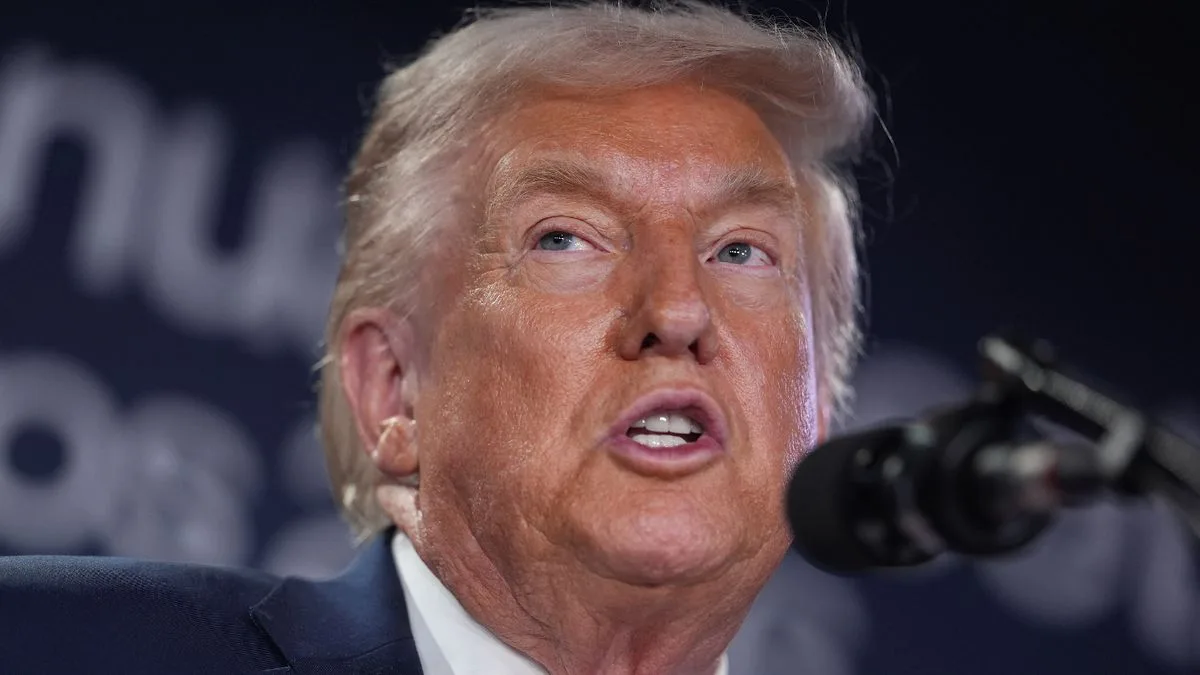
Fresh Bruises and Verbal Slips Fuel Renewed Donald Trump Health Debate
The mystery surrounding former President Donald Trump's health has deepened considerably following his recent public appearances. During a ceremony marking the one-year anniversary of his return to the White House, photographs revealed a prominent blue bruise on Trump's left hand, sparking immediate concern among observers and reigniting longstanding questions about the 79-year-old's physical condition.
Unexplained Bruising and Conflicting Explanations
The bruise, which stretched from the knuckle of his middle finger down to the base of his thumb, appeared to develop during the event itself. Press Secretary Karoline Leavitt attributed the mark to Trump knocking his hand on a table during the signing ceremony. This explanation follows previous White House statements suggesting bruising resulted from "tissue damage from frequent handshaking" – though notably, this isn't the hand Trump typically uses for handshakes.
Medical experts have offered alternative perspectives on the bruising phenomenon. Pharmacist and health specialist Thorrun Govind explained to media outlets that aging skin becomes more fragile and loses protective fat, making blood vessels more susceptible to breaking. "Even a minor knock can lead to noticeable bruising, particularly on areas like the hands and arms," Govind noted, while emphasising that repeated or unexplained bruising should be medically evaluated.
Mental Competency Questions Surface
Beyond physical concerns, Trump's recent speech at the World Economic Forum in Davos raised fresh questions about his mental sharpness. During his address, the former president confused Greenland with Iceland on four separate occasions while discussing NATO matters. "[NATO is] not there for us on Iceland, that I can tell you," Trump stated incorrectly, later adding, "when I told them about Iceland, they loved me."
This pattern of verbal confusion has drawn attention from psychological experts. Dr John Gartner, a former Johns Hopkins professor, has previously suggested Trump exhibits "the classic signs of dementia" in his public speeches, noting a significant deterioration from his more articulate communication style during the 1980s.
Pattern of Health Concerns Emerges
The recent incidents form part of a broader pattern of health-related observations that have emerged throughout Trump's political career:
- Schedule Reduction: Reports indicate Trump has reduced his public schedule by approximately 40% compared to his first term, with his working day typically beginning around 1pm and concluding by 4pm.
- Apparent Fatigue: Multiple observers have noted instances where Trump appeared to nod off during public events, including during a November press briefing where he seemed to doze off while a government official spoke.
- Physical Changes: Previous concerns have included swollen ankles, which his physician attributed to chronic venous insufficiency, and facial asymmetry observed during a 9/11 memorial ceremony that sparked stroke speculation.
- Unexplained Absences: Periods of public absence have fuelled speculation, most notably during a Labour Day weekend when #trumpisdead trended on social media platforms.
White House Responses and Medical Assessments
The White House has consistently downplayed health concerns, with Trump's physician Dr Sean Barbarella previously attributing hand bruising to "minor soft tissue irritation from frequent handshaking and the use of aspirin." Medical letters have confirmed Trump takes daily aspirin as part of a cardiovascular prevention regimen and has been diagnosed with the common age-related condition of chronic venous insufficiency.
Despite these official explanations, the persistence of unusual physical marks and verbal inconsistencies continues to fuel public speculation. The situation highlights the ongoing tension between presidential privacy rights and public interest in the health of political leaders, particularly those of advanced age seeking or holding high office.
As Trump maintains an active political presence, questions about his health seem likely to persist, creating a challenging narrative for his team to manage while satisfying public curiosity about the wellbeing of a prominent political figure.




