
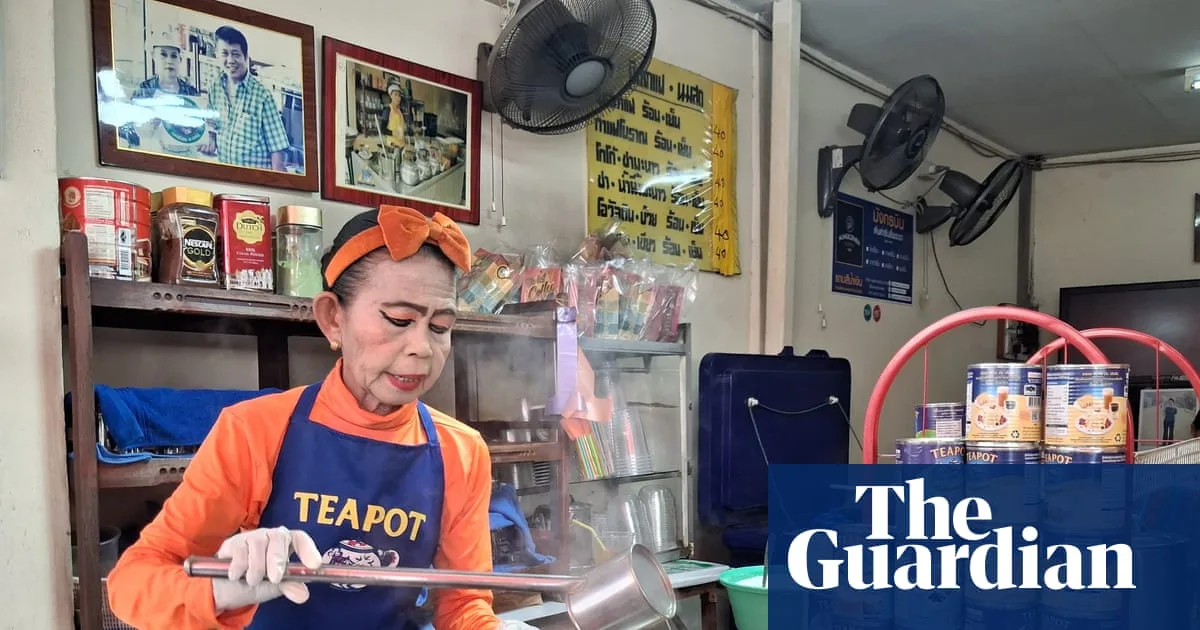
The Thai government is attempting to reduce the amount of sugar in popular drinks as part of a public health campaign, but street vendors and cafes remain outside the scope of existing sugar tax regulations. Major coffee chains have agreed to halve the default sweetness level in certain beverages, yet many small sellers, such as the iconic Auntie Nid, continue to serve drinks packed with sugar.
Thai people consume an average of 21 teaspoons of sugar daily—more than three times the World Health Organization’s recommended limit of six teaspoons. Sugary drinks are a major contributor, with Thailand historically being one of Asia’s largest consumers of calories from sweetened beverages. A sugar tax introduced in 2017 and fully rolled out last year targets pre-packaged drinks, but does not apply to freshly made drinks sold by street vendors or independent cafes.
Pojjana Hunchangsith of Mahidol University noted that the tax has spurred product reformulation among manufacturers. However, she added that street vendors and cafes remain crucial sources of sugar intake and are far more difficult to regulate. The latest initiative involves nine major coffee chains resetting their 100% sweetness level to half its previous sugar content, with many shops already offering customers the option to choose sweetness levels from 0% to 100%.
Some residents welcome the measures. Taxi driver Ann Thumthong, 55, said it is hard to avoid sweet treats when buying food and drinks, but she has become more health-conscious with age, opting for fruit instead of dessert. A study by Phumsith Mahasuweerachai of Khon Kaen University found that simply prompting customers to choose their preferred sweetness level led them to opt for less sugar.
Despite these efforts, many street vendors remain unconvinced. Auntie Nid, a 68-year-old vendor serving teas and coffees in Bangkok’s old town for 30 years, uses three tablespoons of sugar per drink. She insisted that without sugar, the coffee and tea would be bland and bitter, and that the strong, intense taste is why her drinks are popular with tourists and locals alike.




