Afghan Women's Health Crisis Deepens Under Taliban Contraception Crackdown
In a stark escalation of their healthcare restrictions, Taliban fighters across Afghanistan have been systematically destroying stocks of contraceptives while closing vital clinics. The militant group claims contraceptive use represents a Western conspiracy designed to control Muslim populations, but the real-world consequences for Afghan women have been catastrophic.
"They Broke Her With Fear": Personal Tragedies Multiply
Parwana's story exemplifies the human cost of this informal ban. Once celebrated for her beauty in her Kandahar village, the 36-year-old mother now sits silently on her mother's floor, rocking back and forth in a state of permanent confusion. After enduring nine pregnancies and six miscarriages—many under pressure from her husband and in-laws—she no longer recognises her own children.
"She is lost," says her mother Sharifa with heartbreaking simplicity. "They broke her with fear, pregnancies and violence." Parwana's tragic decline mirrors countless other stories emerging from seven different provinces where women have shared their experiences with journalists.
Systematic Destruction of Reproductive Healthcare
Though never formally announced, the Taliban's birth control prohibition began spreading across Afghanistan in early 2023. Medical professionals reported a consistent pattern: contraceptive supplies arrived late, then in smaller quantities, before disappearing completely within months.
In the northern province of Badghis, Taliban fighters arrived at a private clinic with explicit instructions. "They ordered staff to destroy all contraceptives," one doctor revealed. "'If we see you give this to women again, we will close your clinic,' they warned. We stopped immediately."
The reproductive health system has entered freefall as contraceptives vanish and clinics shutter their doors. According to United Nations and World Health Organization data, more than 440 hospitals and clinics have either closed or significantly reduced services since international funding was severed last year.
Life-Threatening Pregnancies Without Medical Options
Zarghona's harrowing experience illustrates the deadly consequences when medical warnings go unheeded due to unavailable contraception. After developing a life-threatening intestinal blockage following an earthquake two years ago, surgeons explicitly warned that another pregnancy could kill her.
Yet with no contraception available and a husband insisting he "needed a daughter," Zarghona became pregnant again. She spent nine months in constant fear, attempting to terminate the pregnancy with herbs and saffron, and managing just one antenatal visit. When labour began, doctors in Herat city warned that both caesarean and natural delivery carried high mortality risks.
Though she survived the birth, Zarghona continues bleeding weeks later and lives with persistent pain. "I'm still terrified," she confesses. "I have no way to protect myself."
Intertwined Crises: Healthcare, Nutrition and Violence
The reproductive health emergency has become inseparable from Afghanistan's broader economic collapse. A Jawzjan province doctor estimates that 80% of pregnant and breastfeeding women she examines suffer from malnutrition, presenting with anaemia, vitamin deficiencies, and dangerously low blood pressure.
"Their bodies are too weak to carry pregnancies safely," she explains bluntly.
Domestic violence emerges repeatedly in women's testimonies as both a cause of miscarriage and a method of control in households where escape routes have vanished. In Kandahar, Reyhana recounts how her sister Sakina—a young widow—was forced to marry her brother-in-law. When she objected, repeated beatings caused her to lose her baby.
Hamida, a midwife working in an overcrowded Kandahar maternity ward, confirms violence represents one of the leading causes of miscarriages she witnesses daily. "Every 24 hours, we see more than 100 deliveries," she reports. "About six miscarriages happen each day; many result from beatings, many from women carrying heavy loads."
Desperate Measures and Geographic Isolation
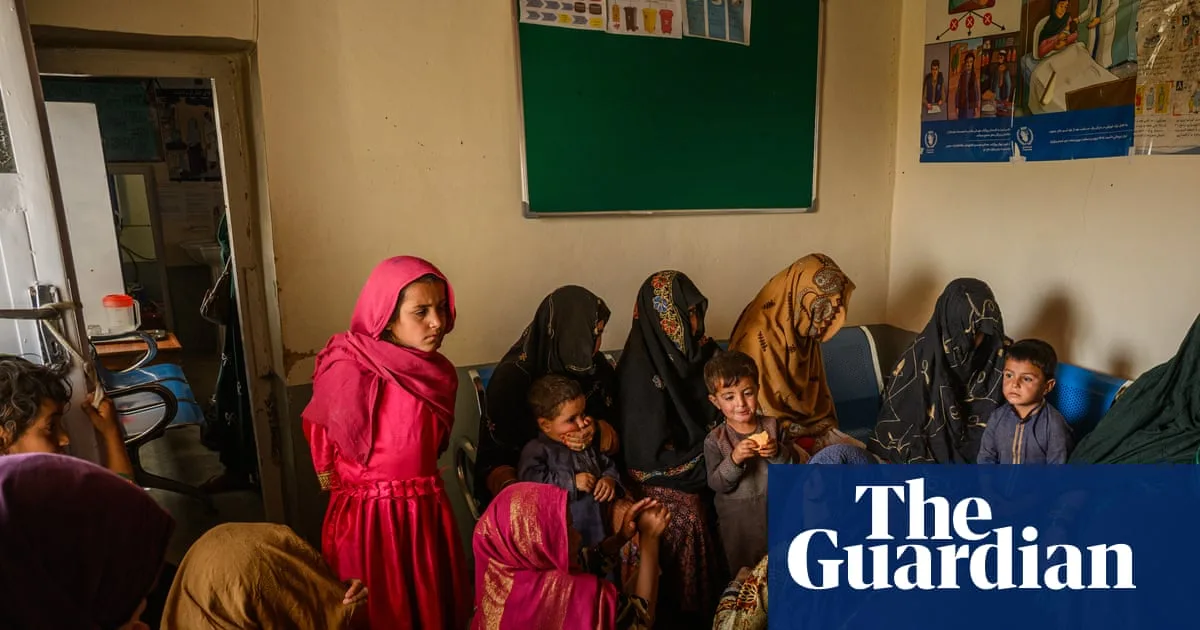
For women in remote provinces, clinic closures mean hours of walking or giving birth at home without medical assistance. In villages isolated by mountains and treacherous mud roads, midwives report women bleeding for days before reaching any healthcare facility.
The desperation has driven some women to extreme measures. Humaira, 38, took abortion pills when she discovered she was pregnant with a girl. "My husband wanted a son," she explains. "If I gave birth to another daughter, he would beat me or divorce me. So I bought medicine secretly."
Her story echoes other testimonies from Kandahar and Jawzjan where women described miscarriages that were either forced, self-induced, or resulted from abuse following ultrasounds revealing female foetuses.
Educational Programmes Abandoned Amid Growing Fear
Before the informal contraceptive ban, rural clinics regularly conducted sessions about spacing births and reproductive health. These vital educational programmes have now ceased entirely.
"There is no purpose in giving awareness when there is no medicine," one doctor admits. "The Taliban have not issued written orders, but the fear is real. If we speak openly, they may shut us down."
As Afghanistan's healthcare infrastructure crumbles and women's reproductive rights evaporate, the human cost continues mounting with each passing month. The stories emerging from across the country paint a devastating picture of a population abandoned to preventable suffering.




