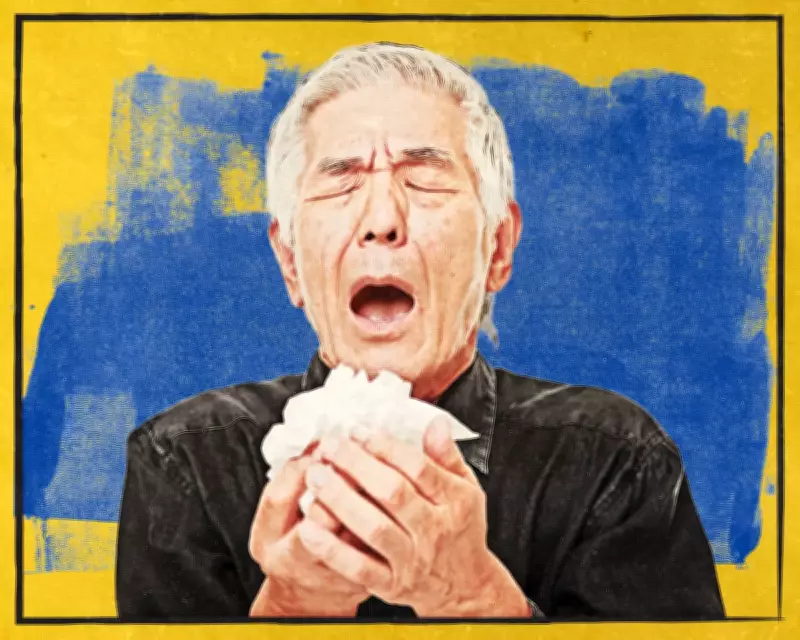
The Explosive Truth About Sneezing
Sneezing is one of the most powerful involuntary actions the human body can perform, yet it remains shrouded in myths and misconceptions. From ancient omens to modern health concerns, this reflex has long fascinated scientists and the public alike. But how much should we really worry about a sneeze? The answer lies in understanding its biological purpose and risks.
What Triggers a Sneeze?
According to Sheena Cruickshank, an immunologist and professor at the University of Manchester, sneezing is a physical response designed to expel irritants from the body. "It's a basic protective mechanism," she explains. "The first part of any immune response is trying to stop stuff getting in, but the next is to get rid of things that might be damaging." This process involves:
- Cilia activation: Microscopic hairs in the nose sense and trap particles, triggering nerve endings to initiate a sneeze.
- Common triggers: Allergens, viruses like the common cold or flu, and irritants such as dust or pepper.
- Unusual causes: Cold air, plucking eyebrow hairs, or bright light exposure, known as Achoo syndrome.
Debunking Sneezing Myths
Contrary to popular belief, sneezing is not as explosive as once thought. Recent studies show that visible airflow from a sneeze travels less than a metre at about 10mph, far from the myth of 100mph. Additionally, urban legends about sneezing causing heart skips or eyeballs popping out are false. Sneezing does not make your heart skip a beat or endanger your eyes, even if kept open. Instead, it's a violent but necessary action to clear the respiratory tract.

Sneezing and Health Risks
Sneezing can indicate environmental factors or illness. Cruickshank's research links pollution to worsened allergy symptoms, as pollution damages nasal linings and may reprogram the immune system. "We know pollution helps things get in that shouldn't," she notes. Regarding disease transmission, Catherine Noakes, a professor at the University of Leeds, highlights the challenge of studying sneezes due to their involuntary nature. However, sneezes can spread infections like:
- Colds, flu, and Covid-19
- Tuberculosis, measles, and mumps
- Respiratory syncytial virus and adenovirus
To reduce risk, experts recommend catching sneezes in tissues or using the "vampire sneeze" method (covering with an arm). While surface transmission is possible, it varies by disease, with Covid-19 risks often overstated in early studies.
Practical Advice for Sneezing
If you're concerned about sneezing, consider these tips:
- For prevention: Avoid triggers like allergens or polluted areas when possible.
- If infectious: Use tissues or masks like FFP2 to limit spread, and stay home if symptoms are severe.
- For others: Maintain distance or wear protective gear in high-risk settings.
Ultimately, a sneeze alone is rarely a cause for alarm unless accompanied by other symptoms. It's more likely a sign of irritation or minor illness than a dire omen. And while we debunk the myths, saying "Bless you" remains a polite tradition, honoring this ancient and essential reflex.