Public curiosity about the rare congenital condition situs inversus has experienced a significant surge following the recent passing of actress Catherine O'Hara, who was diagnosed with the anatomical anomaly. The Home Alone star died at her Los Angeles residence last Friday at age 71 after a brief, undisclosed illness, with her specific cause of death not yet released to the public.
Understanding Situs Inversus
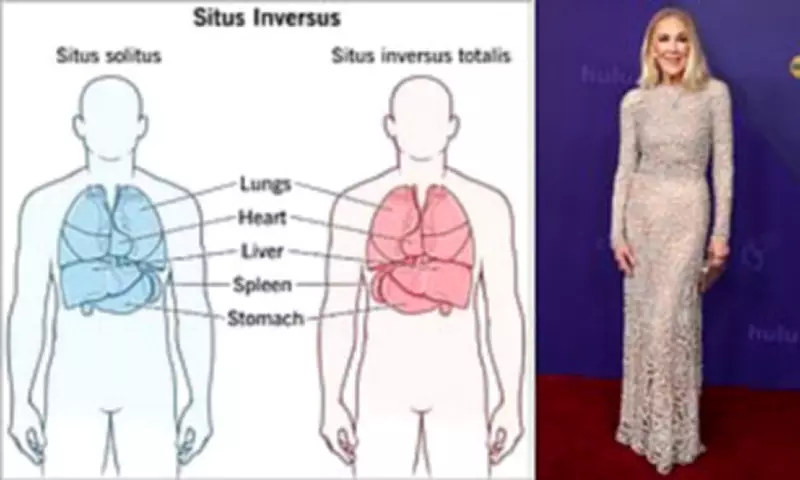
Situs inversus is an extraordinary medical condition where the major organs in the chest and abdomen develop in mirror-opposite positions compared to normal human anatomy. Affecting approximately just 1 in 10,000 individuals globally, this reversal can involve the heart, lungs, stomach, liver, and spleen switching sides within the body.
Remarkably, many people with situs inversus live their entire lives unaware of their condition, as O'Hara herself discovered relatively late. The actress revealed in a 2020 interview that she only learned about her anatomical reversal approximately two decades earlier during routine tuberculosis testing, when medical professionals noticed her organs appeared inverted on chest X-ray imaging.

Diagnosis and Health Implications
Medical imaging techniques including X-rays, ultrasounds, MRI scans, and CT scans represent the primary methods for diagnosing situs inversus, as the condition typically presents no external physical signs. However, situs inversus can sometimes accompany other health concerns that might prompt further medical investigation.
Approximately 3–5 percent of individuals with complete situs inversus (known medically as situs inversus totalis) experience congenital heart abnormalities. When the heart is correctly mirrored—a condition called dextrocardia with normal structure—the health risks remain relatively low. However, when structural abnormalities exist alongside the reversal, patients may face numerous cardiac complications.
These potential heart issues include atrial or ventricular septal defects (holes in the heart), abnormal valve function, problems with major blood vessels, and various heart rhythm disorders. Furthermore, about 25 percent of situs inversus patients also have primary ciliary dyskinesia (PCD), a condition that causes chronic respiratory symptoms including persistent sinus infections, frequent chest infections, mucus-heavy coughing, ear infections, and potential hearing problems.
Kartagener's Syndrome and Diagnostic Challenges
When situs inversus occurs alongside chronic sinus disease and bronchiectasis (lung problems), the combination is medically classified as Kartagener's syndrome. This syndrome has no cure and requires lifelong management of respiratory symptoms.
Additional complications from situs inversus include potential misdiagnosis of acute medical conditions due to the unusual organ placement. For instance, appendicitis pain might manifest on the opposite side of the abdomen, potentially delaying proper diagnosis. Emergency treatment administration can also become complicated, as CPR might need adjustment when the heart is located on the right side rather than the left.
O'Hara's Personal Experience
During her 2020 interview, O'Hara recalled being the first situs inversus patient her doctor had ever encountered. 'You're the first one I've met!' she remembered the physician exclaiming upon discovering her condition.
The actress shared a poignant family reflection: 'I'm one of seven kids. My parents were already gone, had left the world by that time. Never heard anything about this with anyone else. We're driving home, and I think, "I wonder about my other siblings, if they know where their hearts are."'
O'Hara also recounted her husband's humorous reaction: 'When the doctor told us that my heart was on the right side and my organs were flipped, my husband immediately said, "No, her head's on backwards."'
Scientific Intrigue and Genetic Origins
Situs inversus totalis—the complete anatomical reversal—has fascinated medical researchers for centuries. Many scientists believe studying this condition could provide crucial insights into how human embryos establish left-right asymmetry during development and why our bodies exhibit such consistent organ positioning preferences.

O'Hara admitted to deliberately avoiding detailed medical knowledge about her condition: 'I don't even know the name because I don't want to know the name. Something cardi-inversa and then dexter-cardia and something-inversa. People are going to think I'm so ignorant not to know this, but I kind of don't want to know because I didn't know before that.'
Other Notable Cases
Catherine O'Hara is not the only public figure with situs inversus. Spanish singer-songwriter Enrique Iglesias and former teen idol Donny Osmond have also been diagnosed with the condition, demonstrating that individuals with anatomical reversal can achieve successful careers across various fields.
Medical Classification and Types
Medical professionals recognize two primary types of situs inversus. Dextrocardia with situs inversus—which O'Hara believed she had—occurs when the heart's apex points toward the right side of the chest while other organs are similarly flipped. Levocardia with situs inversus describes situations where the heart maintains normal leftward orientation while other abdominal and thoracic organs are reversed.
Causes and Risk Factors
Situs inversus typically results from genetic mutations, with researchers identifying over 100 genes potentially linked to organ-placement abnormalities. The condition usually follows an autosomal recessive inheritance pattern, meaning individuals must inherit mutated genes from both parents.
Additional risk factors may include family history of congenital defects, maternal diabetes during pregnancy, certain medication use (including some cough suppressants), tobacco use during pregnancy, and lower socioeconomic status potentially affecting prenatal care access.
Management and Prognosis
Despite the dramatic anatomical differences, most organs in situs inversus patients function normally, and many individuals experience no symptoms or complications throughout their lives. There is no cure for the condition itself, and surgeons do not attempt to reposition organs to their conventional locations.
Medical treatment focuses on managing any co-occurring conditions or complications, such as cardiac defects or respiratory issues associated with primary ciliary dyskinesia. With appropriate awareness and medical management, most situs inversus patients can expect normal lifespans and generally healthy lives, though they should inform healthcare providers about their condition to prevent diagnostic confusion during medical emergencies.