Health authorities across the United Kingdom are issuing urgent warnings as cases of a Victorian-era skin infection, known as scabies, have surged dramatically in recent weeks. According to the latest data from the Royal College of General Practitioners' Research and Surveillance Centre, doctors recorded nearly 900 diagnoses across the UK just last week alone. This represents a concerning increase of approximately 20% compared to the same period last year, indicating a significant public health development that requires immediate public awareness.
Understanding the Scabies Outbreak and Its Historical Context
Scabies is a highly infectious parasitic skin condition that spreads through close physical contact, meaning that when one person becomes infected, their entire household faces considerable risk. The disease has been documented for over 2,500 years and became particularly prevalent during the Victorian era, when societal conditions such as overcrowding and poor hygiene facilitated its spread. It was only in the mid-1800s that medical science conclusively proved the condition was caused by microscopic itch mites, dispelling earlier theories that incorrectly labelled it as a sexually transmitted disease.
Recognising the Symptoms and Distinctive Signs
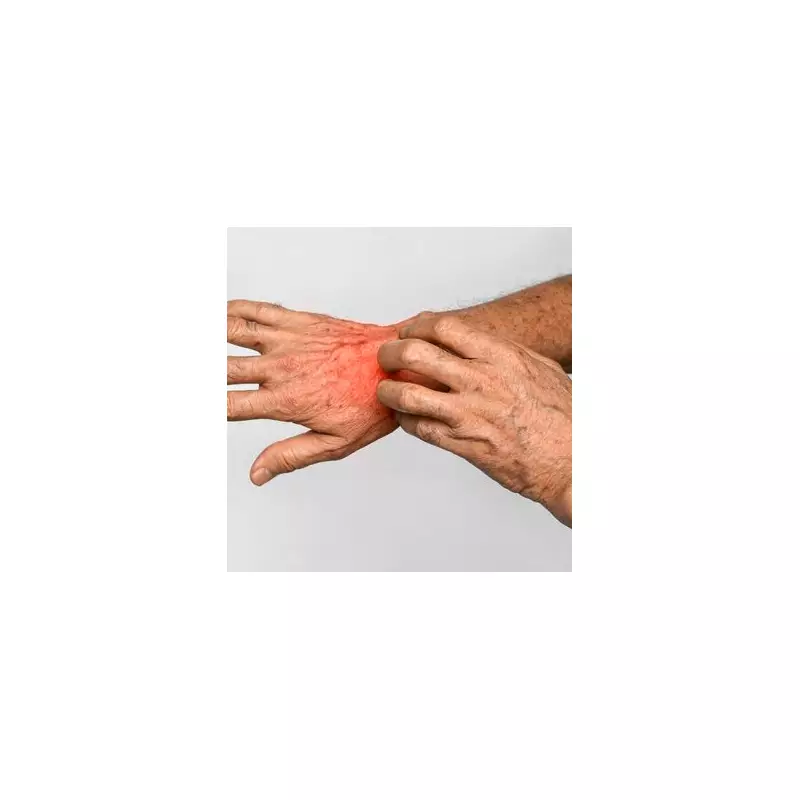
The primary symptom of scabies is an intensely itchy rash that typically worsens at night, causing significant discomfort. This rash often appears as raised, red patches and most commonly affects specific areas including the fingers, wrists, underarms, waistline, groin, and buttocks. According to NHS guidance, young children and elderly individuals may also develop rashes on their head, neck, palms, and even the soles of their feet.

One of the most challenging aspects of scabies diagnosis is the delayed onset of symptoms. The telltale rash can take up to eight weeks to appear after initial infection, making early identification difficult. A distinctive indicator that helps differentiate scabies from other skin conditions is the presence of tiny burrow lines in the skin with a small dot at one end, marking where the microscopic mites have laid their eggs.
Treatment Protocols and Household Management
Individuals who suspect they may have contracted scabies should consult a pharmacist promptly, as they can recommend appropriate treatments. These typically involve prescription creams or lotions that must be applied thoroughly to the entire body, including the scalp and face. This treatment must be repeated after seven days to ensure complete eradication of the mites and their eggs.
The NHS emphasises that every member of the household must be treated simultaneously, even if they show no symptoms, to prevent reinfection cycles. Special consideration is required for children under two years old exhibiting scabies symptoms, who should be seen by a GP rather than relying solely on pharmacy advice.
Comprehensive Environmental Cleaning Measures
Effective scabies management extends beyond personal treatment to thorough environmental cleaning. On the first day of treatment, all bedding and clothing in the household should be washed at 60°C or higher, preferably followed by a cycle in a hot dryer to eliminate any mites hiding in fabrics. Items that cannot be washed should be sealed in plastic bags for approximately three days, which is sufficient time for the parasites to die without access to human skin.
Special Considerations for Vulnerable Populations
While scabies is generally not considered a serious medical condition for most healthy individuals, it poses greater risks for those with compromised immune systems. These vulnerable patients can develop a more severe form known as crusted scabies, which presents as a thick, crusted, flaky rash commonly appearing on elbows, knees, hands, and feet. This rare variant requires more intensive medical intervention and monitoring.
The current surge in cases across the UK highlights the importance of public health vigilance regarding infectious diseases that many consider historical curiosities. With proper treatment, environmental management, and household cooperation, scabies outbreaks can be effectively controlled, though the rising case numbers suggest increased public awareness and prompt medical consultation are urgently needed.