RFK Jr Announces Major $100m Initiative to Tackle Homelessness and Addiction
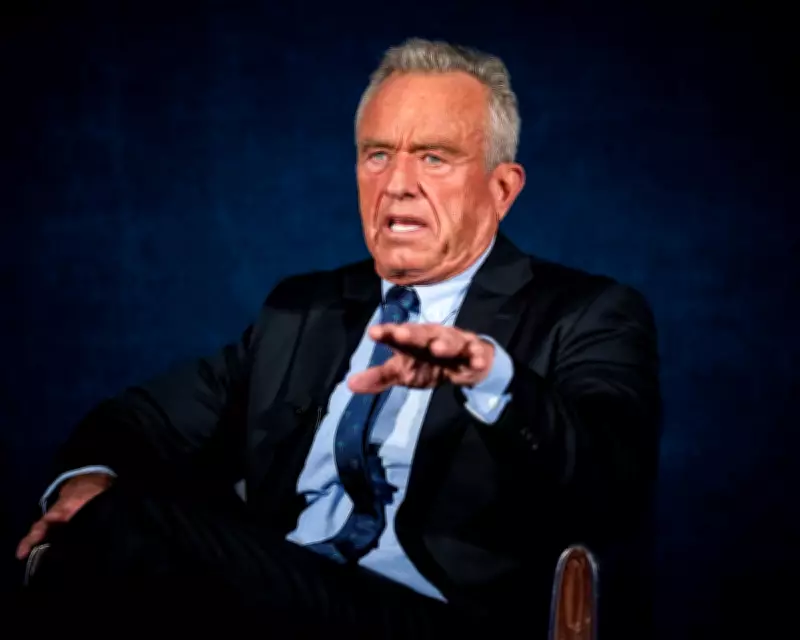
Robert F Kennedy Jr has unveiled a substantial $100 million grant program aimed at addressing the intertwined crises of homelessness and substance use recovery across eight American cities. The announcement came during a Substance Abuse and Mental Health Services Administration (Samhsa) event in Washington DC, marking "Prevention Day" and building upon an executive order recently signed by former President Donald Trump related to addiction.
The Streets Program: A New Approach to Integrated Care
The funding will be distributed through the Safety Through Recovery, Engagement, and Evidence-based Treatment and Supports (Streets) program, which will be managed by Samhsa within the Department of Health and Human Services. Kennedy emphasized that this initiative represents a fundamental shift from traditional approaches that have failed to provide comprehensive, long-term solutions for vulnerable individuals.
"The current system encourages people with severe mental illness and addiction to cycle endlessly between sidewalks, emergency room visits, jails, mental hospitals and shelters," Kennedy stated during his announcement. "No one took responsibility for the whole person. No one stayed long enough to help them recover, to help them reestablish their links and teach them the lessons of how to live in a community. That system is neither humane nor effective."

Addressing Systemic Failures Through Early Intervention
The pilot program will focus on early intervention and creating integrated care systems specifically designed for people experiencing homelessness alongside substance abuse and mental health challenges. According to Kennedy, the approach will involve:
- Finding individuals on the streets and moving them from crisis situations
- Providing detox treatment and transitional support
- Securing sober housing and employment opportunities
- Ultimately reconnecting people to their communities and fostering self-sufficiency
Kennedy, who has been open about his own history with heroin addiction and recovery, described addiction as "a disease of isolation" where individuals "end up alone, they end their relationships, they lose their jobs. They end up in rooms or jails or institutions or dead." He stressed that "the ultimate solution to that is reconnecting people to community."
Context of Recent Policy Shifts and Challenges
This announcement comes against a backdrop of significant turbulence within Samhsa and broader mental health funding. Last month, the Trump administration abruptly canceled $2 billion in Samhsa grant funding for addiction and mental health programs, only to reinstate the funds within 24 hours following bipartisan backlash in Congress.
Additionally, approximately one-third of Samhsa's 900 employees have been laid off over the past year, creating what Kennedy described as "an environment of uncertainty, fear and logistical challenges" for mental health and substance abuse treatment providers nationwide.
Faith-Based Partnerships and Holistic Recovery
A notable aspect of the new program involves increased partnerships with faith-based recovery organizations, which will now be eligible for addiction-related grants. Kennedy emphasized the spiritual dimension of addiction recovery, stating: "This is a chronic disease, it's a physical disease, it's a mental disease, it's an emotional disease, but above all, it's a spiritual disease, and we need to recognize that. Faith-based organizations play a critical role in helping people reestablish their connections to community."
The health secretary stressed that simply treating addiction without addressing environmental factors is insufficient: "We need to not just treat the addict and then put him back into the environment that was making him sick, or contributing to their illness. We need to give them some stability."
This $100 million initiative represents one of the most substantial recent investments in addressing the complex relationship between homelessness, substance abuse, and mental health challenges through an integrated, community-focused approach.