Raw Milk Consumption Trend Raises Alarm After Tragic Infant Death
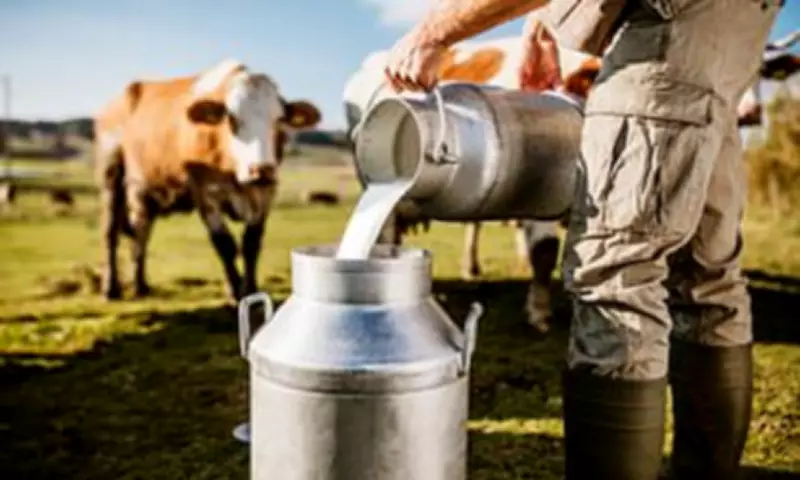
Health authorities have issued urgent warnings following the death of a newborn baby in the United States, linked to the mother's consumption of infected raw milk. This tragic incident has highlighted the growing and concerning trend of consuming unpasteurised dairy products among health-conscious communities worldwide.
The Dangerous Appeal of Untreated Milk
Raw milk, which bypasses the heat-treatment process known as pasteurisation, can harbour dangerous pathogens including salmonella, E. coli, tuberculosis, and listeria. Particularly alarming is listeria's fatality rate, which stands at 30 percent for babies whose mothers contract listeriosis during pregnancy.
Despite these well-documented risks, a significant movement advocating for raw milk consumption has gained momentum globally. Following the infant's death, New Mexico state officials released a formal statement specifically cautioning pregnant women, young children, and elderly individuals to avoid raw dairy products entirely.

Influencers Versus Established Science
This public health warning comes amid increasing promotion of raw milk by social media influencers and controversial figures. US Health Secretary Robert F. Kennedy Jr. has publicly championed untreated milk, claiming it 'advances human health' and criticising FDA regulations as a 'war on public health'. He has been photographed consuming raw milk shots alongside wellness influencer Saladino, known as the 'Carnivore MD'.
Meanwhile, Mormon health influencer Hannah Neeleman, who operates Ballerina Farm with her husband Daniel, has stated that she and her eight children drink milk 'straight from the cow', attributing her complexion to this practice. Notably, Ballerina Farm's raw milk sales were temporarily suspended this summer after Utah state inspectors discovered high levels of coliform bacteria, which includes E. coli, in their bottled products.
Proponents argue that raw milk is healthier because it's 'natural' and that pasteurisation destroys beneficial vitamins like vitamin C and B vitamins, along with antioxidants, enzymes, and probiotics. However, mainstream scientific consensus strongly disputes these claims, emphasising that the risks far outweigh any purported benefits.
The Life-Saving History of Pasteurisation
The pasteurisation process, invented by French microbiologist Louis Pasteur in the 1860s, involves gently heating milk to eliminate dangerous microorganisms. Before its widespread adoption, thousands of Britons died annually from diseases contracted through contaminated milk, particularly bovine tuberculosis.
This historical context is personal for many families. One account recalls a great-aunt who died at sixteen in rural Cornwall from bovine tuberculosis, a tragedy later understood as a consequence of inadequate food safety standards rather than the folk explanation of being 'killed off by a cow'.
The dangers of contaminated beef products were further underscored during the 1980s and 1990s mad cow disease (BSE) outbreak, which claimed over 180 lives.
The UK's Growing Raw Milk Scene
This controversial trend has now firmly taken root in the United Kingdom, with enthusiasts going to considerable lengths to obtain unpasteurised dairy. While it's illegal to sell untreated cow's milk in supermarkets, shops, cafés, or restaurants in England and Wales, consumers can purchase it directly from farm gates and stores. Scotland maintains a complete ban on all raw milk sales.
In Forest Row, East Sussex—known for its alternative lifestyle community—demand for raw milk has become so intense that a vending machine at Tablehurst Farm regularly sells out by 8 am. This scarcity recently sparked social media disputes, with one user named 'Yew' pleading for purchase limits to ensure fair access, declaring, 'We all want and need this healing raw milk.'
Yew, who uses only her nickname publicly, told the Daily Mail she believes raw milk can prevent winter illnesses and cancers, and that her family avoids conventional Western medicine, including GP visits.

Diverse Advocates and Personal Testimonies
The raw milk movement includes various advocates across the UK. 'Coach Carnivore Cam', a zero-carb influencer from Manchester, shares TikTok videos of himself drinking raw milk from a local farm, claiming it alleviates hay fever and eczema symptoms.
Mary Ellen, a chiropractor in Bude, receives deliveries from Proper Cornish Milk, which promotes the 'natural taste and numerous health benefits' of its Jersey cow raw milk. Ellen stated she isn't concerned about health risks when milk comes from reputable farms.
Janey Lee Grace, a 65-year-old alternative health YouTuber from Hertfordshire, believes raw milk is 'healthier' than pasteurised versions and notes long queues at her local licensed farm. Similarly, Karim Ullah, 53, also from Hertfordshire, purchases raw milk for its taste and potential gut health benefits, as he manages Crohn's Disease.
Medical Professionals Issue Stern Warnings
Healthcare experts express deep concern about this trend. Yorkshire GP Sophie Newton told the Daily Mail she finds the raw milk fad 'concerning', stressing that 'natural does not automatically mean safe'. She highlighted the real risks, especially for pregnant women and newborns, calling the US infant death a 'sobering reminder'.
Sutton Coldfield GP Thuva Amuthan agreed, stating, 'Raw milk is not a lifestyle choice: it's a food safety risk for pregnant women in particular, one that can have devastating consequences.' The Royal College of Gynaecologists advises pregnant women to consume only pasteurised or UHT milk.
Antonella Lazzeri, a 58-year-old Bournemouth writer who nearly lost her daughter in 2005 after contracting listeria from unpasteurised cheese during pregnancy, is 'alarmed' by the trend. She warns that pregnant women, the elderly, and immunocompromised individuals are 'dicing with death' by choosing raw milk.
Scientists suggest safer alternatives for boosting immunity or managing allergies, such as proven supplements including vitamin D, zinc, and probiotics. They note that yoghurt and kefir provide safer ways to consume beneficial live cultures without the unpredictable bacterial risks of raw milk.
A Continuing Controversy
Despite these warnings, the trend shows no signs of abating. With raw milk ice cream predicted to be a major food trend in spring/summer 2026 and vending machines proliferating outside UK farms, this contentious practice appears set to continue, posing ongoing challenges for public health authorities and medical professionals dedicated to preventing avoidable tragedies.