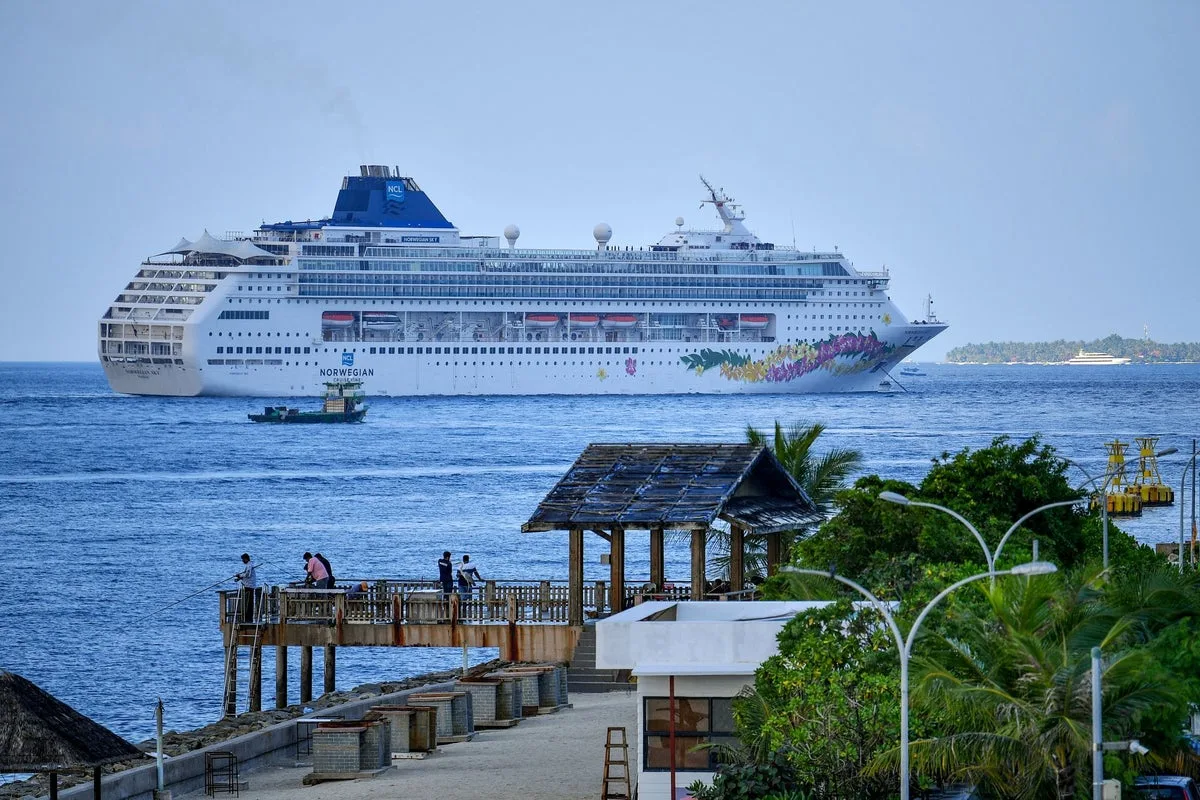
Mal de Débarquement Syndrome: The Post-Cruise Condition That Makes Land Feel Like Sea
Post-Cruise Syndrome: When Land Still Feels Like the Ocean

Imagine returning from a luxurious cruise vacation, only to find that the gentle rocking of the ship hasn't left you. For some travelers, this isn't just a memory but a persistent medical reality known as Mal de Débarquement Syndrome.

What is Mal de Débarquement Syndrome?

Mal de Débarquement Syndrome, literally translating to "sickness upon disembarking," is a balance disorder that affects the inner ear or brain. Commonly called Disembarkment Syndrome, it occurs when the body struggles to readjust to stable land after developing "sea legs" during extended time on moving vessels.

Symptoms and Duration

The condition manifests through multiple distressing symptoms. Patients typically experience a constant sensation of rocking or swaying, as if still on water. This is often accompanied by brain fog, confusion, and difficulty concentrating on simple tasks. Additional symptoms include unsteadiness, anxiety, and in some cases, depression.

Wide Pickt banner — collaborative shopping lists app for Telegram, phone mockup with grocery list

While symptoms usually last about 24 hours after disembarking, many cruise passengers report experiencing them for weeks. The Cleveland Clinic notes that symptoms frequently worsen when sitting, standing, or lying down, creating significant frustration for affected individuals.

Demographics and Recurrence

According to the MdDS Foundation, established in 2007 to research this disorder, most cases occur in women aged 30-60. The foundation also reports that individuals who experience Mal de Débarquement Syndrome once have a higher likelihood of recurring symptoms with subsequent travel.

Diagnosis and Treatment Challenges

Unfortunately, there is no specific test to definitively diagnose Mal de Débarquement Syndrome, nor is there a known cure. The Cleveland Clinic advises that primary care physicians can order tests with specialists to rule out other health conditions with similar symptoms.

Treatment options are limited but may include brain stimulation therapy or specialized exercises. Some cruise passengers have attempted using motion sickness medication, but medical experts caution that this approach is generally ineffective for this particular syndrome.

When to Seek Medical Help

While Mal de Débarquement Syndrome often resolves on its own, medical consultation is recommended if symptoms persist beyond a few weeks. The Cleveland Clinic emphasizes that proper medical evaluation can help distinguish this condition from other balance disorders and provide appropriate management strategies.

Personal Experiences and Community Support

Multiple Reddit threads are dedicated to discussing post-cruise swaying, where travelers share experiences and coping strategies. One user described it as "your brain still being in sea mode," while another noted they don't feel movement on the ship but experience it afterward.

"I usually have a mild case for a few days after a cruise. It's weird because I don't feel the movement while on the ship but after I get off I feel like I'm moving," wrote one participant on the r/Cruise forum.

Another Reddit user humorously suggested "the cure is to just stay on the ship" before adding seriously that symptoms typically subside with time. These online communities provide valuable support for individuals navigating this disorienting condition.

As cruise travel continues to grow in popularity, awareness of Mal de Débarquement Syndrome becomes increasingly important for travelers and medical professionals alike. While temporary for most, this condition represents a significant post-vacation challenge for those affected.

Pickt after-article banner — collaborative shopping lists app with family illustration




