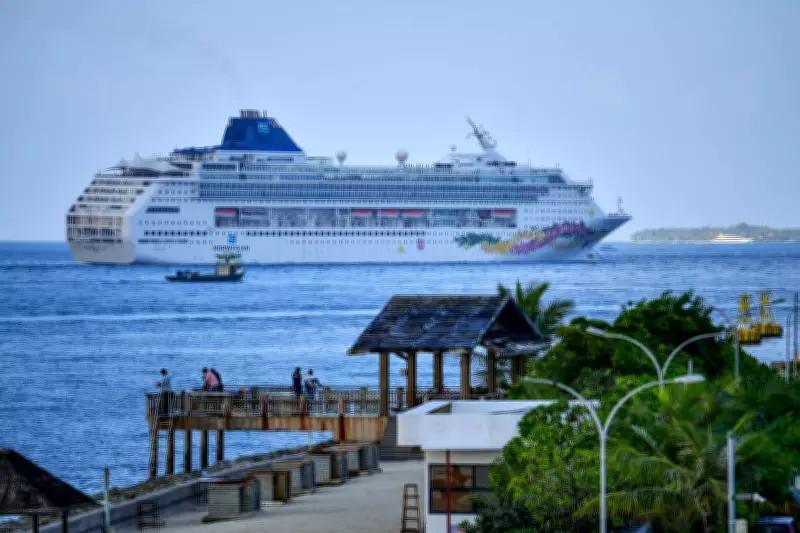
After returning from a dream cruise vacation on glistening blue waters under endless sunshine, you might expect to feel refreshed and relaxed. However, for some travellers, the experience continues in an unexpected way: a persistent sensation of rocking or swaying, accompanied by brain fog and difficulty concentrating, even days after disembarking.
Understanding Mal de Débarquement Syndrome
This phenomenon is not merely post-trip blues or wishful thinking about being back on holiday. It is a recognised medical condition known as Mal de Débarquement Syndrome, which translates directly to "sickness upon disembarking." Also referred to as Disembarkment Syndrome, it affects the body's balance system, primarily involving the inner ear or brain.
Symptoms and Impact
According to the Cleveland Clinic, symptoms of Mal de Débarquement Syndrome can include:

- A rocking or swaying sensation, as if still on the ship
- Brain fog and confusion
- Unsteadiness and dizziness
- Anxiety and depression
These symptoms often arise after a cruise or flight, as the body struggles to readjust to stable land after developing "sea legs." While typically temporary and lasting about 24 hours, some cruise passengers report symptoms persisting for weeks. The condition tends to worsen with movement, such as sitting, standing, or lying down, creating a frustrating reality for those affected.
Diagnosis and Treatment Challenges
Unfortunately, there is no specific test to diagnose Mal de Débarquement Syndrome, nor is there a cure. The Cleveland Clinic advises that if symptoms last longer than a few weeks, individuals should consult a primary care physician. Doctors may order tests with specialists to rule out other health conditions before considering treatment options.
Potential treatments, as reported by the Cleveland Clinic, could include brain stimulation therapy or special exercises. However, some cruise passengers have tried using motion sickness medicine, though the Cleveland Clinic suggests this is ineffective for this syndrome.
Who Is Affected?
The MdDS Foundation, established in 2007 to find a cure, notes that most cases occur in women aged 30–60. There is also a higher likelihood of recurring symptoms after an initial episode, making it a concern for frequent travellers.
Personal Experiences and Coping Strategies
Multiple Reddit threads are dedicated to discussing post-cruise swaying, where travellers share stories and advice on managing these potentially debilitating symptoms. One user explained, "I think you still have 'sea legs'—it's a sensation you're still on the ship. Basically, your brain got used to being on a moving ship and adapted to 'moving around.' Now that you're back on land, your brain is still in sea mode."
Another traveller on the r/Cruise thread shared, "I usually have a mild case for a few days after a cruise. It's weird because I don't feel the movement while on the ship, but after I get off, I feel like I'm moving." A humorous yet insightful comment added, "My wife gets it all the time. Sea legs. Land sickness. The cure is to just stay on the ship—no, seriously, it will reside."
While Mal de Débarquement Syndrome often dissipates on its own, understanding this condition can help affected individuals seek appropriate care and support, ensuring their post-vacation recovery is as smooth as possible.