Norwegian Man Cured of HIV Through Groundbreaking Sibling Stem Cell Transplant
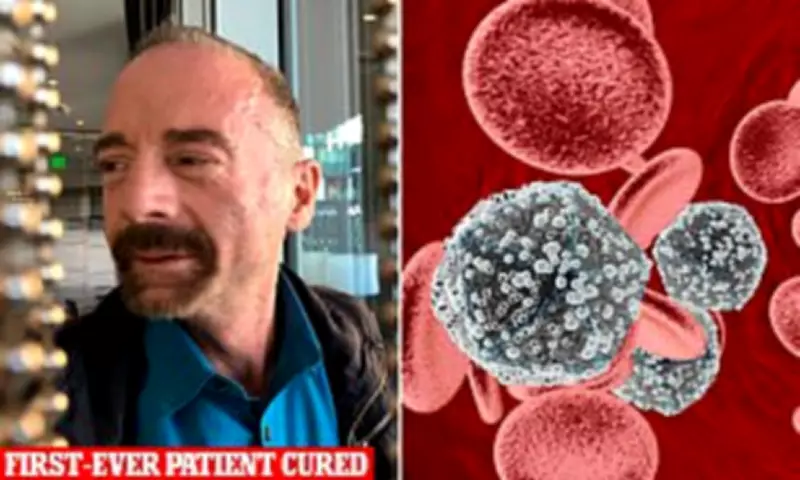
A 63-year-old man from Norway has been declared cured of HIV following a pioneering stem cell transplant from his older brother, doctors have revealed. This remarkable case represents the first known instance where a family member donor has successfully eliminated both HIV and a concurrent blood cancer.
Two Decades of HIV Diagnosis
The patient, who remains unidentified, was diagnosed with HIV-1 subtype B nearly twenty years ago. This particular strain is the dominant form of the virus in Europe and the Americas, primarily transmitted among men who have sex with men and individuals who use intravenous drugs. HIV attacks the body's immune system, leaving it vulnerable to infections and diseases.
For approximately eleven years, the man managed his condition with antiretroviral drugs, which suppress viral levels in the body. However, in 2018, he developed myelodysplastic syndrome, a rare and unrelated blood cancer where immature blood cells fail to mature properly, leading to severe complications like fatigue, shortness of breath, and frequent infections.

The Search for a Genetic Match
After two years of cancer treatment, medical teams at Oslo University Hospital began searching for a stem cell donor with a specific genetic mutation. They sought someone with a mutation in the CCR5 gene, which naturally blocks HIV from entering cells. Finding a donor with this mutation offered hope not only to cure the cancer but also to eliminate HIV.
When initial efforts to locate an unrelated donor failed, doctors turned to the patient's older brother as a match for treating the cancer. Astonishingly, on the day of the transplant in 2020, genetic testing revealed that the brother also carried the CCR5 mutation, a trait found in only about one percent of Europeans.
'We had no idea. That was amazing,' said Dr. Anders Eivind Myhre, one of the treating physicians, highlighting the unexpected discovery.
A Complete Immune System Replacement
The transplant procedure involved replacing the patient's diseased bone marrow with healthy blood-forming stem cells from his brother. Two years post-transplant, the man was able to discontinue his antiretroviral regimen entirely. Tests confirmed no trace of HIV in his body, as his immune system had been completely replaced by his brother's genetically resistant cells.
Dr. Myhre stated, 'For all practical purposes, we are quite certain that he is cured,' of both HIV and cancer, describing the outcome as 'like winning the lottery twice.'
Historical Context and Unique Aspects
While the Oslo patient is not the first individual to be cured of HIV through a stem cell transplant, his case is uniquely significant. Previous cures, such as Timothy Ray Brown (the Berlin patient) in 2008 and Marc Franke (the Düsseldorf patient) in 2023, involved transplants from unrelated donors. The Oslo patient marks the first documented cure using a sibling donor.
Researchers detailed this breakthrough in Nature Microbiology, noting that it 'contributes valuable evidence to the existing knowledge base regarding HIV cure cases.' An outlier, the Geneva patient, was cured in 2021 via a transplant from a donor without the CCR5 mutation, but the Oslo case adds a new familial dimension to this medical advancement.
Risks and Limitations of the Procedure
Doctors emphasize that stem cell transplants are not a universal cure for HIV and are reserved for patients who also have blood cancers. The procedure carries significant risks, including infections, bleeding, organ failure, and infertility. The Oslo patient experienced complications such as graft-versus-host disease, where donor cells attack the recipient's body, causing symptoms like rashes and digestive issues.
Despite these challenges, the patient has recovered robustly. Dr. Myhre reported that he is now 'having a great time' with more energy than ever before. Study co-author Marius Troseid of the University of Oslo suggested that the nickname 'Oslo patient' may no longer be fitting, as the individual no longer feels like a patient.

This case underscores the potential of genetic therapies in combating HIV, while also highlighting the need for cautious optimism due to the procedure's specialized nature and associated risks.