The number of patients hospitalised with norovirus in England has surged dramatically, with a 45% increase reported in the latest weekly figures. This rise marks a new peak for the current winter season, placing additional strain on healthcare services already grappling with seasonal demands.
Sharp Increase in Norovirus Cases
Data released by NHS England reveals that an average of 823 hospital beds were occupied daily last week by individuals suffering from diarrhoea, vomiting, or norovirus-like symptoms. This represents a significant jump from the previous week's average of 567 patients and exceeds the comparable period last year, when 784 beds were filled.
Professor Meghana Pandit, NHS national medical director, commented on the concerning trend, stating: "A rise in this vomiting virus is leaving hospitals under pressure. Norovirus cases didn't peak until February last winter, so we're monitoring closely for further increases ahead of another predicted cold snap this weekend."

Contrasting Trends in Respiratory Illnesses
While norovirus admissions climb, hospitalisations for influenza show a contrasting pattern. The number of people in hospital with flu in England has decreased for the second consecutive week, with an average of 2,519 flu patients daily during the week ending January 18. This represents an 8% decline from the previous week's figure of 2,725 patients.
Health Secretary Addresses NHS Challenges
Health Secretary Wes Streeting, speaking to local BBC radio stations, acknowledged the multiple pressures facing the National Health Service. He emphasised his commitment to accelerating improvements across various service areas while recognising the systemic challenges inherited by the current administration.
"I've found, as Health Secretary, that turning around the NHS is a bit like turning a tanker," Streeting remarked. "My aim over this next year is to make sure that we're seeing progress, but also faster progress, whether that's on waiting lists, whether that's in urgent and emergency care, whether that's on access to general practice."
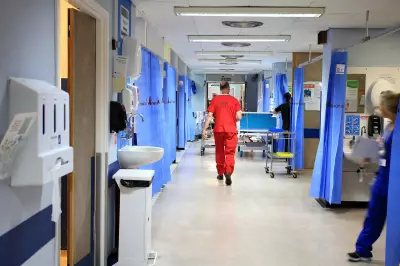
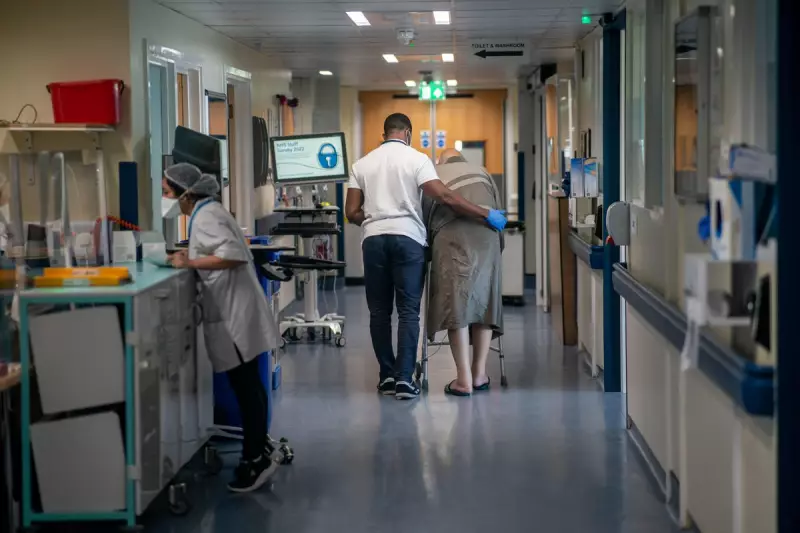
The Health Secretary highlighted particular concerns about hospital conditions during the winter months, stating: "But we still this winter have these issues with people on trolleys in corridors... hospitals bend over backwards to make sure the care is safe but nobody can say it is dignified being treated on a trolley in a corridor."
Broader NHS Performance Indicators
Additional data from NHS England presents a mixed picture of healthcare system performance:
- General and acute hospital bed occupancy reached 94.5% in the week ending January 18, the highest mid-January level since 2020
- Ambulance handover delays showed slight improvement, with 33% of patients waiting at least 30 minutes before being transferred to A&E teams, down from 37% the previous week
- Patients experiencing handover delays exceeding one hour decreased to 12% (11,183 patients) from 15% the week before
Professor Pandit acknowledged staff efforts amid these pressures, noting: "Despite these pressures, we are clearly seeing shorter waiting times for patients than previous winters. This is a testament to the incredible hard work of NHS staff and the early and detailed preparation and planning they did ahead of winter this year."
Preventative Measures and Continued Care
Health officials continue to emphasise the importance of preventative measures to curb norovirus transmission. Professor Pandit urged the public: "Keep coming forward for care if you need it and take simple steps such as frequent hand washing to prevent the spread of norovirus."
Streeting concluded with a reflection on the current challenges: "Right now we are in the depths of winter in January... I know staff have been slogging their guts out, and there have been far too many patients being treated in conditions that I do not think are acceptable. That's the thing that really drives me to be honest."