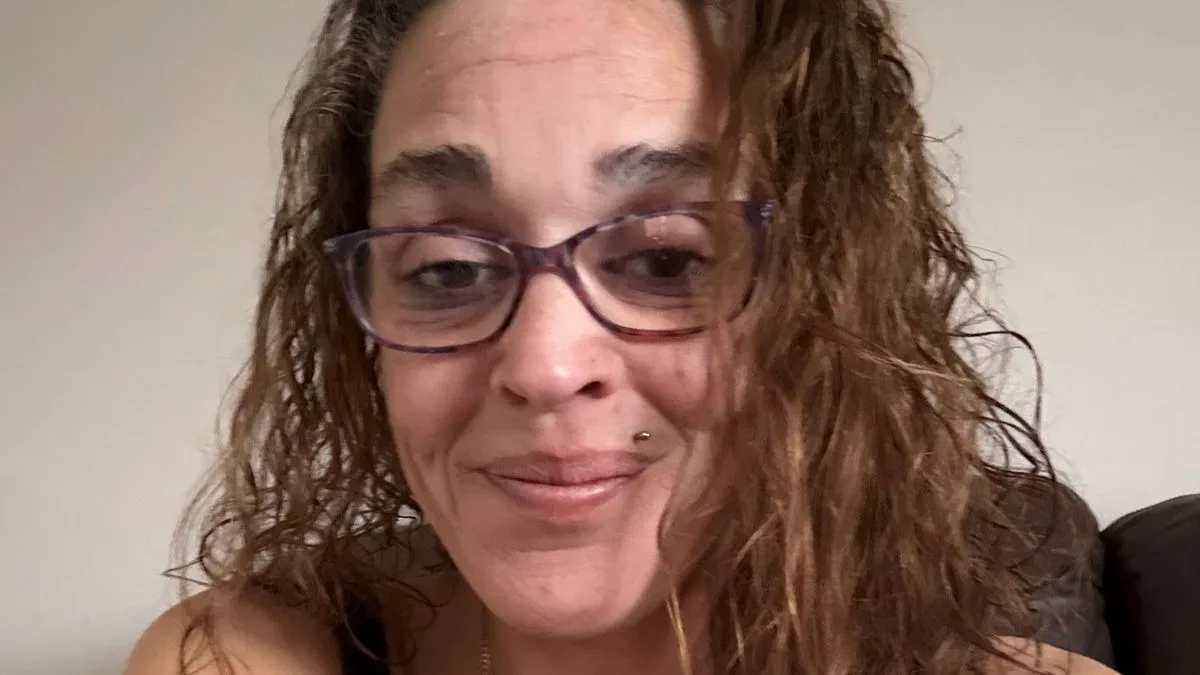
Mother's Nine-Year Wheelchair Ordeal After Flesh-Eating Bug From C-Section
Nine-Year Wheelchair Ordeal After Flesh-Eating C-Section Bug

Mother's Nine-Year Wheelchair Confinement After Flesh-Eating Infection

A mother from Great Yarmouth, Norfolk, endured a harrowing nine-year period confined to a wheelchair after contracting a flesh-eating infection from her emergency caesarean section, which also forced a three-month separation from her newborn baby.

Kelly Simmons, now 44, was urgently readmitted to hospital just two weeks after delivering her youngest child in October 2009, when pus began seeping from her abdominal wound and her temperature spiked dramatically.

Diagnosis of Necrotising Fasciitis

Medical staff diagnosed Kelly with necrotising fasciitis, an uncommon and potentially fatal bacterial infection that rapidly destroys skin and soft tissue. The condition caused her caesarean scar to split open entirely from one side to the other.

Wide Pickt banner — collaborative shopping lists app for Telegram, phone mockup with grocery list

Surgeons were unable to restitch the wound, as the flesh-eating bacteria would have consumed through the sutures. Instead, Kelly was treated with steroid tablets to prevent the infection from advancing further.

Investigations revealed the infection originated from non-sterile surgical instruments used during her emergency caesarean, which was performed when both her heart rate and her baby's plummeted at six months pregnancy.

Separation from Newborn and Hospital Confinement

Kelly remained hospitalised for three months, during which she was prohibited from seeing her newborn son due to fears she might be contagious. "It was horrible being apart from him," she recounted.

Upon discharge, doctors sent her home with a sanitary towel attached to her stomach to contain the pus leakage. The wound took a full year to heal naturally without surgical closure.

Even after returning home, Kelly was unable to hold her infant son for an additional three months because her abdomen continued to leak pus.

Muscle Deterioration and Wheelchair Dependence

The extended period of immobility during her hospital stay and recovery led to significant muscle deterioration, ultimately confining Kelly to a wheelchair for nine years.

"Because I wasn't mobile for so long, my muscles wasted away, and I ended up in a wheelchair for nine years," Kelly explained.

She also underwent debridement surgery to remove dead tissue around her stomach, which compromised her abdominal wall and resulted in an abdominal hernia.

Additional Medical Complications

Two years after her caesarean, Kelly had surgery to repair the hernia, but the procedure caused skin trauma that led to pyoderma gangrenosum - an uncommon condition causing large, painful ulcers.

These ulcers became infected and triggered sepsis, with doctors giving her just 12 hours to live at one point. Steroid treatment saved her life, but she required another three-month hospital stay.

Although Kelly eventually regained the ability to walk after nine years, she was diagnosed last year with functional neurological disorder (FND), which has once again left her reliant on a wheelchair.

FND affects the central nervous system, causing disruptions to movement, senses, speech and cognitive function, with symptoms including blackouts, weakness and abnormal movements.

"I love walking everywhere and I love dancing, but I can't do any of that now," said Kelly, who can no longer work as a carer due to her ongoing health challenges.

Pickt after-article banner — collaborative shopping lists app with family illustration




